Expert Guide to Hybrid Flooring Installation in Australia

July 2, 2026

hybrid flooring underlayCurrent Hybrid Flooring Installation Guide: Expert Procedures, Costs, and Services by Royal Floors

By Abdul Wali, Royal Floors

Hybrid flooring has surged in popularity among Australian homeowners thanks to its innovative blend of durability, visual appeal, and practicality. This flooring type combines the strengths of hardwood, laminate, and vinyl, offering a superior solution suitable for both residential and commercial spaces. This updated guide delivers comprehensive and factually enriched insights into the installation process, expenses involved, and the advantages of selecting hybrid flooring. Whether planning a new flooring project or researching options, grasping current Australian trends and expert practices around hybrid flooring installation is imperative.

In this guide, we will explore the diverse benefits and classifications of hybrid flooring, essential preparation and installation procedures, cost analysis, recommended maintenance techniques, and how to collaborate with Royal Floors for expert flooring services.

What Are the Key Benefits and Types of Hybrid Flooring in Australia?

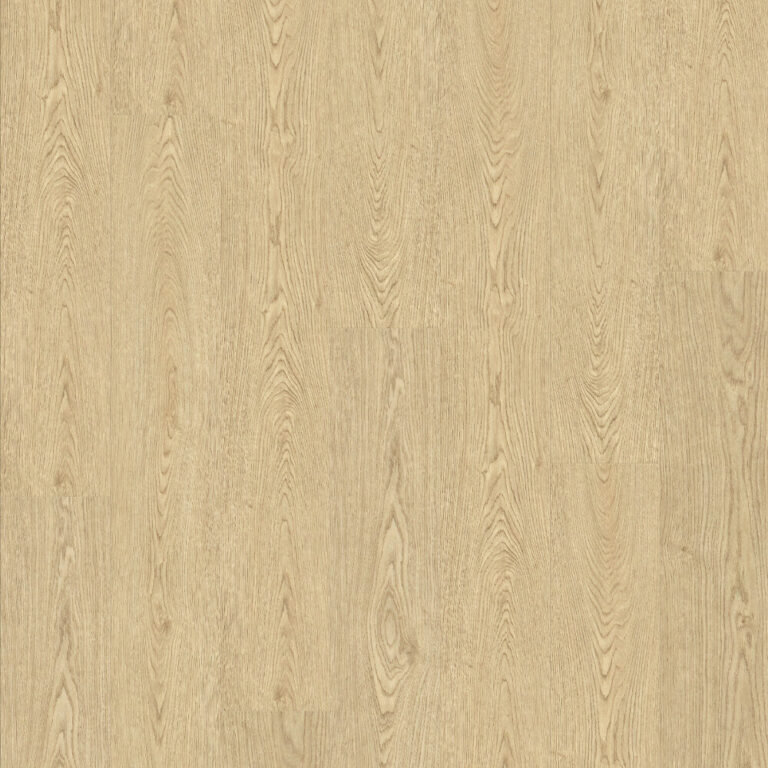
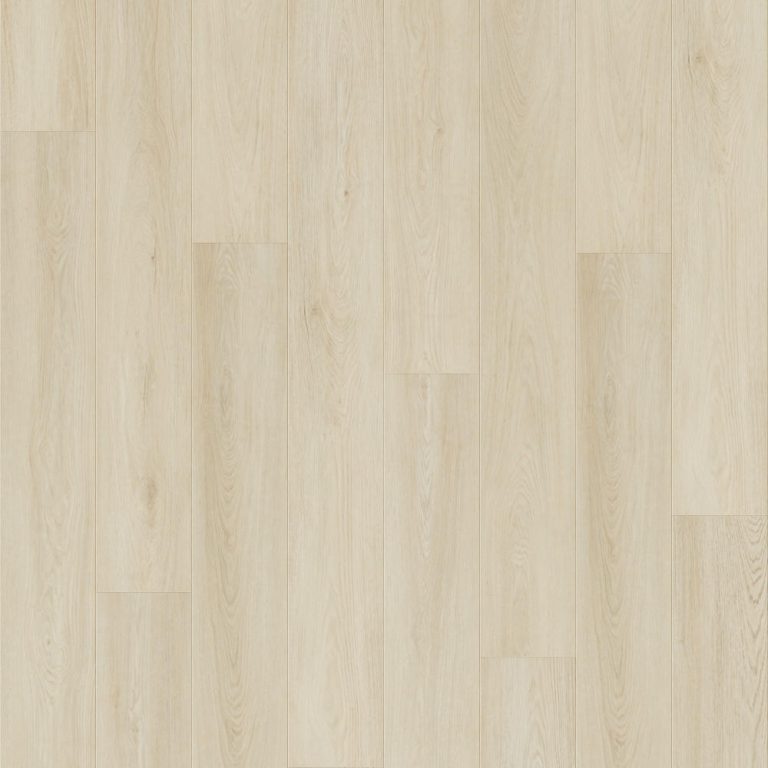
Variety of hybrid flooring styles and colors highlighting design options and benefits

Hybrid flooring has become favored for its strength and versatility, especially suited to dynamic Australian households and heavy-use commercial interiors. Key advantages include exceptional durability and water resistance, paired with style versatility that complements a wide array of interior designs. Here are the primary benefits driving Australian consumer preference:

  • Superior Durability: Engineered for high resistance to scratches, dents, and stains, making it perfect for areas experiencing significant foot traffic. This ensures longevity even in busy homes and commercial settings.
  • Enhanced Water Resistance: Designed with waterproof cores and surfaces, hybrid flooring stays stable and undamaged in moisture-prone rooms like kitchens, bathrooms, and basements, reducing maintenance concerns and preventing warping or swelling.
  • Cost-Effective Investment: When compared to traditional hardwood or natural stone, hybrid flooring provides comparable aesthetic quality and resilience at a more accessible price point, optimizing budget without sacrificing style or durability.
  • Extensive Design Variety: Available in numerous colors, textures, and finishes, hybrid flooring authentically replicates natural materials such as wood and stone, enabling harmonious integration with diverse décor themes from modern to classic.
  • Comfort and Sound Insulation: Hybrid flooring often incorporates advanced underlay options which improve cushioned feel underfoot and reduce noise transmission, enhancing overall living comfort.
  • Low Maintenance Requirements: The surface treatments protect against stains and wear, simplifying cleaning routines and minimizing the need for intensive maintenance.

Understanding these comprehensive advantages helps homeowners and businesses select flooring that meets both functional demands and aesthetic preferences in Australian environments.

Australian hybrid flooring mainly comes in two material types: SPC (Stone Plastic Composite) and WPC (Wood Plastic Composite). Both boast advantages aligned to different living environments and usage demands.

Which Hybrid Flooring Materials Offer Durability and Moisture Resistance?

SPC hybrid flooring features a stone-plastic composite core that provides excellent rigidity and resistance to impacts, ideal for heavy-traffic zones. Its waterproof construction offers reassurance against water damage. Its denser core also makes it less prone to expansion and contraction caused by temperature fluctuations.

In contrast, WPC hybrid flooring incorporates a wood-plastic core that adds cushioning underfoot with reliable water resistance, enhancing comfort and visual appeal. The softer core provides better sound absorption and is preferred in residential spaces where comfort is prioritized.

These options cater to various performance preferences, with SPC preferred for maximized toughness particularly in commercial or high-usage areas, and WPC offering a softer feel suitable for residential rooms. The choice hinges on room function, user comfort, budget considerations, and environmental exposure.

What Are the Best Hybrid Flooring Brands Available in Australia?

The Australian market hosts several respected brands known for quality hybrid flooring solutions, consistent innovation, and sustainability. Choosing reputable brands ensures access to proven manufacturing standards and customer support including warranty coverage.

  • Quick-Step: Globally renowned for inventive designs, durable materials, and a broad range of style options, Quick-Step flooring often features advanced locking systems for ease of installation and long-term stability.
  • HydroGuard: Specializes in high-performance waterproof hybrid flooring with exceptional resistance to moisture and wear, making it ideal for moisture-prone environments such as bathrooms and kitchens.
  • Godfrey Hirst: Offers a comprehensive selection tailored to Australian climate and interior trends, emphasizing durability and style, backed by strong local presence and customer service.
  • Royal Floors Exclusive Brands: Royal Floors also offers select hybrid flooring lines combining high quality materials with competitive pricing and expert installation support throughout New South Wales.

These brands are synonymous with quality manufacturing standards, eco-conscious practices, and the ability to meet diverse consumer needs throughout Australia. Consumers are advised to verify product specifications, warranties, and after-sales service availability when selecting a brand.

How Do You Properly Prepare and Install Hybrid Flooring?

Correct installation is vital for ensuring hybrid flooring’s optimum appearance, functionality, and longevity. Detailed preparation and methodical installation processes make an important difference in the flooring’s performance and lifespan, as improper installation can lead to premature failure or warranty voidance.

What Are the Essential Subfloor Preparation Steps for Hybrid Flooring?

Proper subfloor preparation involves several critical steps:

  • Inspection: Thoroughly inspect the subfloor for cracks, moisture, or uneven surfaces. Moisture testing must be conducted with calibrated tools to detect any hidden dampness.
  • Repair: Address any cracks, holes, or unevenness by filling, sanding, or leveling to achieve a flat, smooth surface within manufacturer specifications.
  • Cleaning: Ensure the subfloor is free of dust, debris, grease, or residues which could interfere with adhesion or plank locking systems.
  • Moisture Barrier Installation: Depending on the subfloor type and moisture readings, install a suitable vapor barrier or underlayment that includes moisture protection to prevent damage and comply with warranty terms.
  • Acclimatization: Allow hybrid flooring materials to acclimatize in the installation area for 24-48 hours to adjust to ambient temperature and humidity, minimizing post-installation expansion or contraction.

Following these preparation steps is foundational to a durable and aesthetically pleasing floor.

Which Tools and Materials Are Required for Hybrid Flooring Installation?

Essential tools and materials for hybrid flooring installation displayed on a workspace

To achieve professional-quality installation, the following tools and materials are recommended:

  • Measuring Tape: For precise plank measurements and cuts to minimize waste and ensure fit.
  • Utility Knife or Flooring Saw: To accurately trim and size planks without damaging the surface.
  • Rubber Mallet: Helps to firmly lock interlocking planks together without causing damage or cracks.
  • Knee Pads: Provide support and comfort during extended installation periods to protect installers’ health.
  • Moisture Barrier Materials: Such as underlayments with vapor barriers to protect against humidity and subfloor moisture.
  • Spacers: For maintaining necessary expansion gaps around room edges per manufacturer guidelines.
  • Pull Bar and Tapping Block: Assist in placing the last boards tightly and uniformly.

Appropriate use of these tools not only expedites the installation but also secures a tight, lasting floor fit while preserving the integrity of the materials involved.

What Is the Typical Installation Timeline and Step-by-Step Process?

Hybrid flooring installation involves several sequential stages. Preparation of the subfloor may take 1-2 days, including moisture testing, repairs, and leveling. Installation time typically ranges from 1-3 days depending on project scope and professional experience:

  • Acclimatization: Flooring materials are left onsite for 24-48 hours to adjust to local temperature and humidity conditions to prevent post-installation warping.
  • Layout Planning: Strategically planning plank orientation and layout to optimize visual appeal, reduce waste, and maintain symmetry.
  • Installation: Employ click-lock or glue-down installation methods for planks, ensuring secure and level placement with proper spacing.
  • Final Finishing: Installation of skirting boards, transition strips, and cleaning up to complete the surface and enhance durability.
  • Inspection and Quality Check: Final walkthrough to verify installation quality, identify any imperfections, and advise care routines.

How Long Does Hybrid Flooring Installation Usually Take in Sydney and NSW?

In Sydney and wider New South Wales, installation duration depends on several factors including room size, subfloor condition, and complexity of layout. Typically, projects last between 2 to 4 days, accounting for acclimatization, subfloor prep, and installation. Larger homes or commercial spaces with intricate layouts may require longer schedules. Employing professional installers with local experience often streamlines processes, ensuring efficiency and compliance with Australian standards.

What Are the Sequential Installation Steps From Start to Finish?

The comprehensive installation workflow is:

  • Material Acclimatization: Allow flooring planks to stabilize under installation conditions to avoid expansion or contraction after laying.
  • Subfloor Inspection and Preparation: Repair and level subfloor; install moisture barrier or underlayments as needed to protect flooring integrity.
  • Layout Marking and Planning: Map plank arrangement aiming to balance aesthetics and minimize waste, paying attention to staggered seams.
  • First Row Installation: Begin along the longest or most visible wall, ensuring straight alignment and correct spacing for expansion gaps.
  • Subsequent Rows: Fit following planks using correct locking methods and stagger joints to maintain structural stability.
  • Installation of Moldings and Fixtures: Securely anchor baseboards, thresholds, transition strips, and trims to safeguard edges and complete the visual finish.
  • Cleaning and Final Inspection: Remove installation debris and verify the floor surface and joints for quality assurance.

Adhering to these structured steps ensures durability, aesthetic consistency, and a high-quality finish that meets both customer expectations and manufacturer warranty requirements.

How Are Hybrid Flooring Costs Structured Across Australia?

Accurate cost insight is essential when budgeting for hybrid flooring installations. Pricing depends on factors including product type, brand quality, floor area, complexity of installation, subfloor condition, and regional labor rates.

What Is the Average Hybrid Flooring Cost per Square Meter?

On average, hybrid flooring prices range approximately from $40 to $75 per square meter in Australia, reflecting variations in durability, visuals, and brand reputation. Installation costs typically add between $20 to $35 per square meter, influenced by factors such as subfloor preparation needs, removal of old flooring, and complexity of layout.

This yields a total estimated range of approximately $60 to $110 per square meter for professionally installed hybrid flooring projects.

How Does Hybrid Flooring Cost Compare with Alternative Flooring Options?

Hybrid flooring offers a cost-effective alternative compared to many traditional flooring types. Here’s a current price comparison per square meter including installation estimates:

  • Hybrid Flooring: $60 – $110 per square meter
  • Hardwood Flooring: $100 – $250 per square meter
  • Ceramic/Porcelain Tiles: $80 – $180 per square meter
  • Laminate Flooring: $40 – $85 per square meter

Considering hybrid flooring’s durability, water resistance, and ease of maintenance, many homeowners find it offers excellent value relative to costlier alternatives such as hardwood or tiles, especially in moisture-prone or high-traffic spaces.

What Maintenance Practices Prolong the Life of Hybrid Flooring?

Proper maintenance routines are pivotal to retaining hybrid flooring’s appearance and functional integrity for years, protecting your investment and minimizing replacement costs.

How Should You Clean and Care for Hybrid Flooring to Maintain Durability?

Effective care involves:

  • Regular Cleaning: Sweep or vacuum frequently to remove grit and dust that may scratch the surface.
  • Damp Mopping: Use a damp mop or cloth with a pH-neutral cleaner designed for vinyl or laminate floors. Avoid soaking the floor to prevent moisture seeping into seams.
  • Avoid Harsh Chemicals: Discourage use of abrasive cleaners, wax, or polish not intended for hybrid flooring as they can damage protective coatings.
  • Protective Measures: Use felt pads under furniture legs, and place mats at entryways to reduce dirt and moisture ingress.

What Common Issues Can Arise and How Are Repairs Performed?

Typical concerns include minor scratches, dents, or edge lifting caused by moisture or improper installation. To minimize these risks:

  • Immediately wipe up spills to prevent water damage.
  • Use protective coverings when moving heavy furniture.
  • Replace individual damaged planks if modular design permits, often a straightforward task for professionals or skilled DIYers.
  • Address gaps or lifting early to prevent worsening or debris accumulation.

Timely preventative care and repairs extend floor life and maintain its appearance. Our services are designed to help you with all your flooring needs.

How Do You Engage Professional Hybrid Flooring Installation Services with Royal Floors?

Partnering with expert installers ensures your hybrid flooring investment performs and looks its best for years, minimizing risk and maximizing satisfaction.

What Does the Free Measure and Quote Process Involve?

Royal Floors provides a no-obligation free measurement and quoting service. A trained technician visits your property to assess room dimensions, subfloor condition, and flooring needs. They offer tailored material recommendations and transparent pricing, helping clients make confident, well-informed decisions before commencing installation. This includes advice on moisture barriers, underlayments, and suitable warranties. flooring needs. They offer tailored material

Which Locations in Australia Does Royal Floors Serve for Installation Services?

Royal Floors proudly serves clients throughout Sydney, New South Wales, and selected nearby regions, leveraging years of industry expertise. Their local presence guarantees timely project delivery with quality workmanship and personalized service adapted to each customer’s unique requirements.

Get Your Free Quote

Ready to Transform Your Space with Hybrid Flooring?

Contact Royal Floors today to schedule your free measure and quote. Benefit from expert advice, premium materials, and professional installation tailored to your needs.

Seasonal Deals Are Here!

Enjoy royal savings on our exclusive seasonal offers.

Where great floors begin, Visit us at

Sydney & Brisbane

CAMPBELLTOWN

02 8605 1900

LOGAN QLD

0457 770 261