DIY Flooring vs Professional: Which is Right for Your Home?
June 4, 2026
DIY vs. Professional Flooring: Costs, Benefits, and Warranties
Deciding between DIY installation and professional services requires carefully weighing factors that affect cost, durability, and schedule. This guide summarizes the principal benefits of professional installation, common mistakes associated with DIY, and a detailed comparison of costs and time. It also clarifies which flooring types are practical for DIY work and which typically require professional trade skills, enabling homeowners to choose the approach that best matches their project requirements and site conditions.
Key Takeaways
Professional flooring installation ensures precision craftsmanship, significantly enhancing durability and overall flooring aesthetics.
Experts rigorously prepare subfloors and use quality materials to prevent warping, uneven surfaces, and premature failures.
Professional services often include comprehensive warranties covering installation defects, material issues, and sometimes consequential damages, providing valuable homeowner protection.
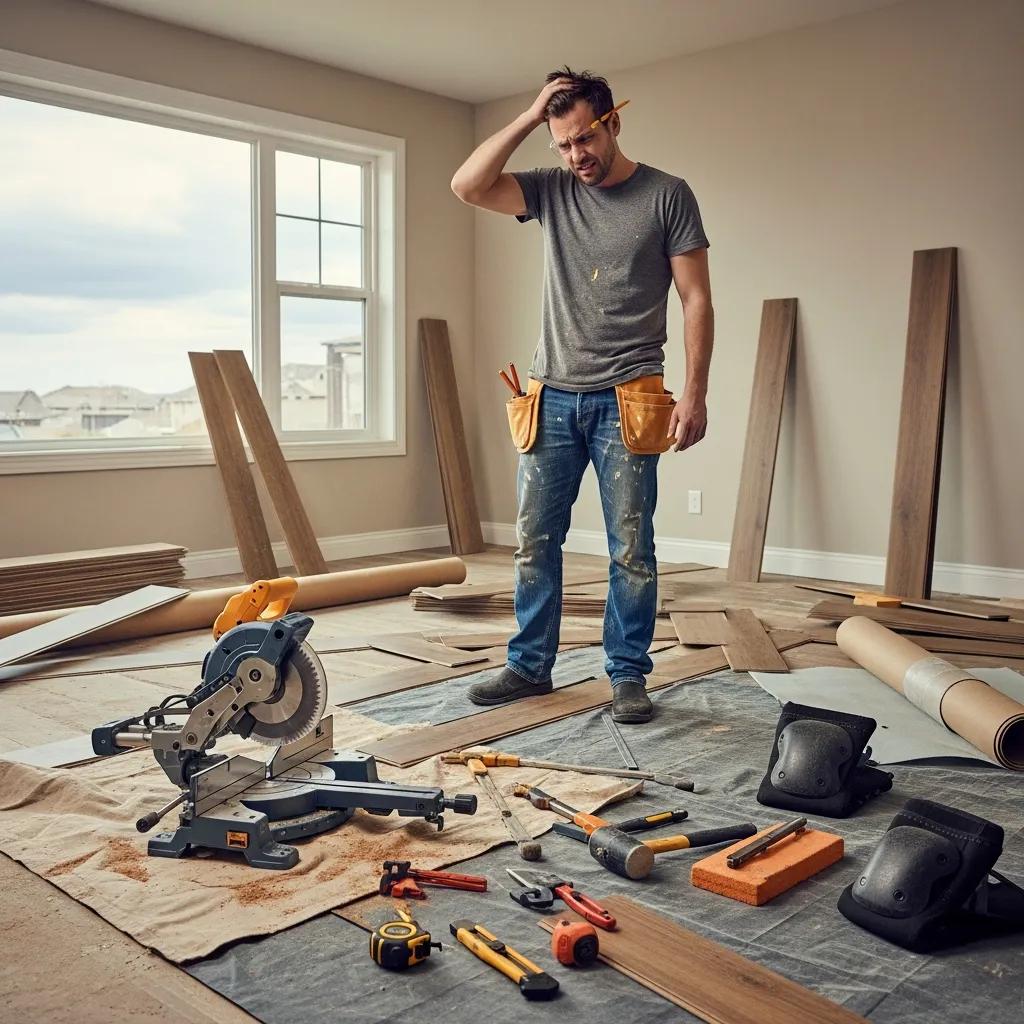
DIY flooring projects frequently risk mistakes like incorrect measurements, poor alignment, and inadequate site preparation, affecting final quality and lifespan.
Improper DIY installation can void manufacturer warranties and reduce flooring durability due to premature wear and structural issues.
Professional installation costs include labor, materials, and additional services such as moisture testing and subfloor remediation, typically ranging from $3 to $10 per square foot.
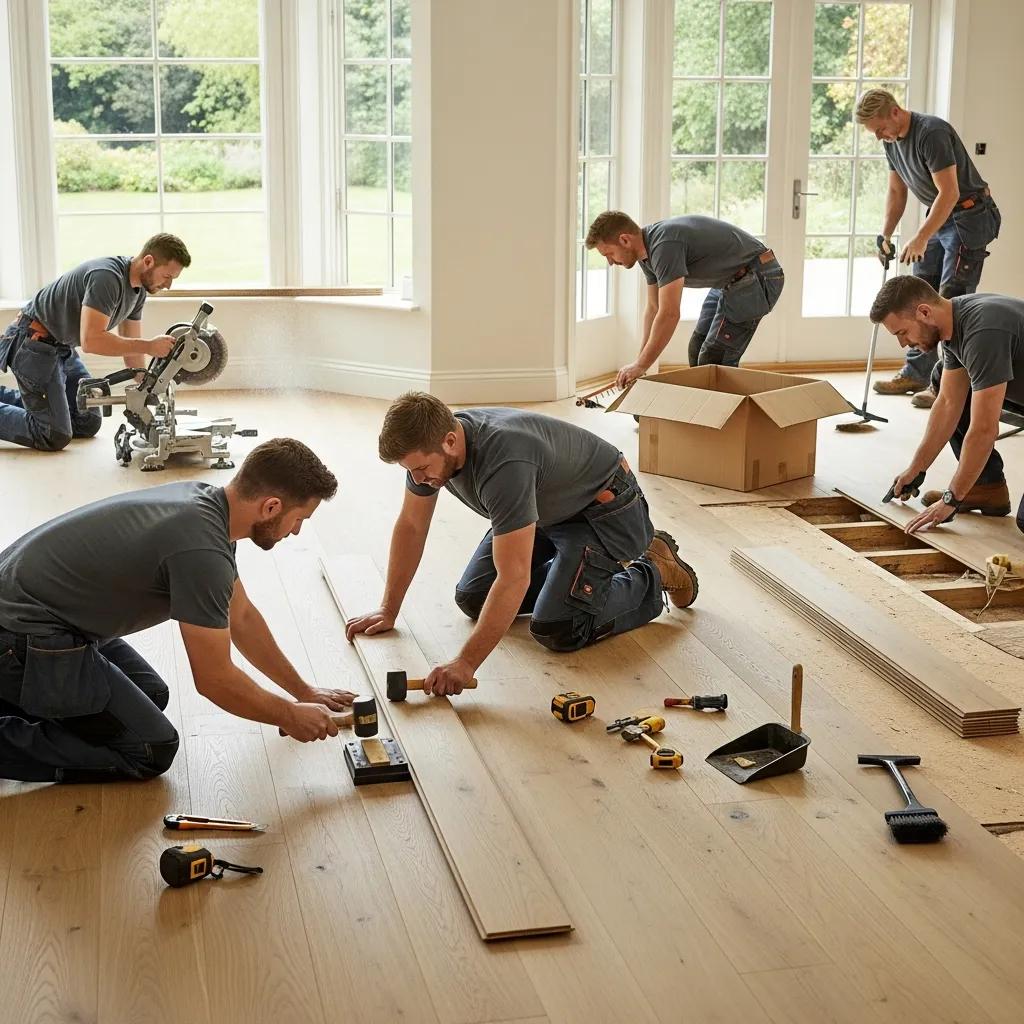
Professionals complete flooring projects significantly faster, often within 1-2 days compared to several weeks for DIYers, minimizing inconvenience.
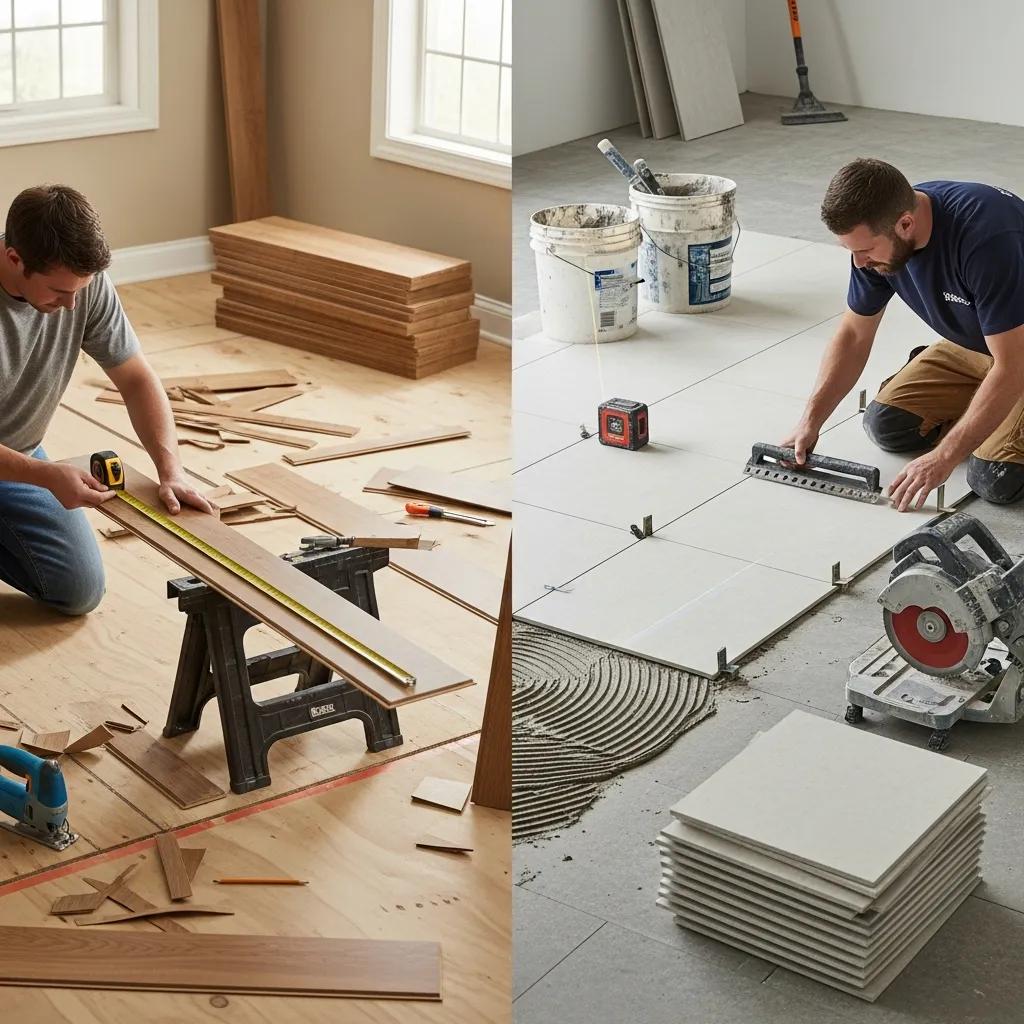
Laminate and vinyl flooring with click-lock or tongue-and-groove systems are best suited for DIY due to ease of installation and predictable results.
Complex materials like natural stone, large-format tile, or hardwood typically require professional expertise for proper installation, accurate subfloor preparation, and warranty compliance.
What Are the Key Benefits of Professional Flooring Installation?
Professional installation delivers consistent workmanship that enhances both the aesthetic result and the service life of the floor. Certified installers perform thorough subfloor preparation, precisely select underlayments and adhesives, and apply manufacturer-recommended installation methods to minimize defects. These practices produce a polished finish and significantly reduce the likelihood of premature failures. Working with a qualified installer also helps maintain manufacturer and installer warranty coverage, which safeguards the homeowner’s investment and ensures peace of mind.
How Does Expert Installation Ensure Quality and Durability?
Long-term floor performance depends heavily on correct subfloor preparation, optimal material selection, and meticulous installation technique. Professional installers rigorously assess flatness and moisture levels, install vapor retarders or specialty underlayments where required, and utilize adhesives or fasteners that meet product specifications. Proper acclimation periods, careful expansion-gap management, and precise layout planning reduce risks of warping, buckling, and unevenness. Access to specialized tools combined with installer experience means fewer maintenance needs and lower replacement costs over the floor’s lifespan.
What Warranty Protections Come with Professional Installation?
Professional installation commonly includes warranty protections covering both labor and materials. Warranty terms vary by product and provider, ranging from limited short-term coverage to extended or lifetime options depending on flooring type. Typical warranties address installation defects, material faults, and occasionally consequential damage, giving homeowners documented recourse should issues arise post-installation. This warranty support is often unavailable or voided when installation is done improperly or by unlicensed contractors.
What Challenges and Risks Are Common with DIY Floor Installation?
While DIY flooring might initially seem cost-effective, it often entails significant challenges that can adversely affect both outcome and schedule. Common issues include technical installation errors, extensive labor time, and increased material waste. Many homeowners underestimate the critical site preparation, moisture control, and layout complexity required to achieve a professional-quality result. Being aware of these limitations is crucial when deciding whether to proceed without hiring a tradesperson.
What Are Typical Installation Mistakes in DIY Projects?
Frequent DIY errors include inaccurate measurements leading to excessive cutting and material waste, improper plank or tile alignment resulting in visible gaps or uneven joints, and neglecting acclimation times causing expansion-related problems like buckling or warping. Additionally, inadequate attention to subfloor flatness and moisture issues often produces uneven surfaces and shortens product life. Recognizing these common faults equips DIY installers to better prioritize necessary skills, tools, and steps to avoid costly rework or replacements.
How Does DIY Installation Affect Long-Term Flooring Performance?
Flooring installed without professional techniques often suffers reduced lifespan and requires more frequent maintenance. Miscalculations, use of unsuitable adhesives, or omitted substrate preparation can accelerate wear and even lead to structural or aesthetic failure. Furthermore, many manufacturers void product warranties when installation does not adhere to specified guidelines, leaving homeowners responsible for any subsequent repair or replacement expenses. Consequently, the perceived savings from DIY can be negated by future costs.
How Do Costs and Time Compare Between DIY and Professional Floor Installation?
Analyzing costs and project time frames reveals important trade-offs between DIY and professional approaches. While DIY may lower upfront labor expenses, it frequently incurs hidden costs such as errors, additional materials, and prolonged project timelines. Conversely, professional installation entails higher initial investment but promotes value through expert workmanship, warranty protection, and reduced likelihood of costly mistakes. Understanding the full financial impact requires considering both short-term and lifecycle costs.
What Is the Cost Breakdown for Professional Installation Services?
Professional installation costs encompass labor, materials, and ancillary services tailored to the flooring product and site conditions. Labor rates generally range from $3 to $10 per square foot. Material costs vary depending on type and quality, for example, laminate ranges from $1 to $3 per square foot. Additional services such as moisture testing, subfloor remediation, or specialized underlayment installation may incur an extra $0.50 to $1 per square foot. Including these components delivers a more accurate understanding of the total investment required for a professionally installed floor.
Cost Component
Average Cost
Labor (per sq. ft.)
$3 – $10
Material (laminate)
$1 – $3
Additional Services
$0.50 – $1
This breakdown illustrates how professional installation consolidates expertise, comprehensive site preparation, and quality assurance, collectively enhancing the floor’s longevity and appearance relative to typical DIY outcomes.
How Does Installation Time Differ Between DIY and Professionals?
Installation time varies significantly based on skill level and project scope. Professional flooring teams typically complete standard room installations within one to two days, depending on site conditions and flooring type. In contrast, DIYers often require several weekends or even weeks to achieve the same results, particularly when learning new techniques or resolving unforeseen challenges. The shorter duration offered by professionals reduces disruption, limits inconvenience, and may decrease indirect costs like lost productivity or alternative accommodations.
Which Flooring Types Are Best Suited for DIY Installation?
Choosing the right flooring material is critical for a successful DIY project. Products designed for straightforward fitting, minimal site modification, and with user-friendly assembly systems ease the technical demands and reduce installation errors.
What Characteristics Make Certain Flooring Easy for DIY?
Flooring suitable for DIY often features intuitive systems such as click-lock joints, pre-glued edges, or lightweight planks that require minimal specialized tools. Laminate and many vinyl flooring options meet these criteria, offering dimensional stability, predictable cutting patterns, and easy fitting processes. Selecting products with these features can significantly minimize installation time and error rates for non-professional installers, enhancing project satisfaction and results.
When Should You Prefer Professional Installation Based on Flooring Type?
Professional installation is strongly recommended for materials that are heavy, delicate, or require intricate patterns and precise substrate preparation. Natural stone, large-format tiles, and certain hardwood species demand exacting subfloor flatness, moisture control, and use of specialized adhesives or fasteners. Projects involving moisture management, complex layouts, or structural alterations especially benefit from experienced installers. Engaging professionals in these scenarios enhances the likelihood of a durable, aesthetically pleasing, and warranty-compliant flooring outcome.