Premium Luxury Timber Flooring Solutions from Royal Floors
July 5, 2026
Premium Luxury Timber Flooring Services in Australia
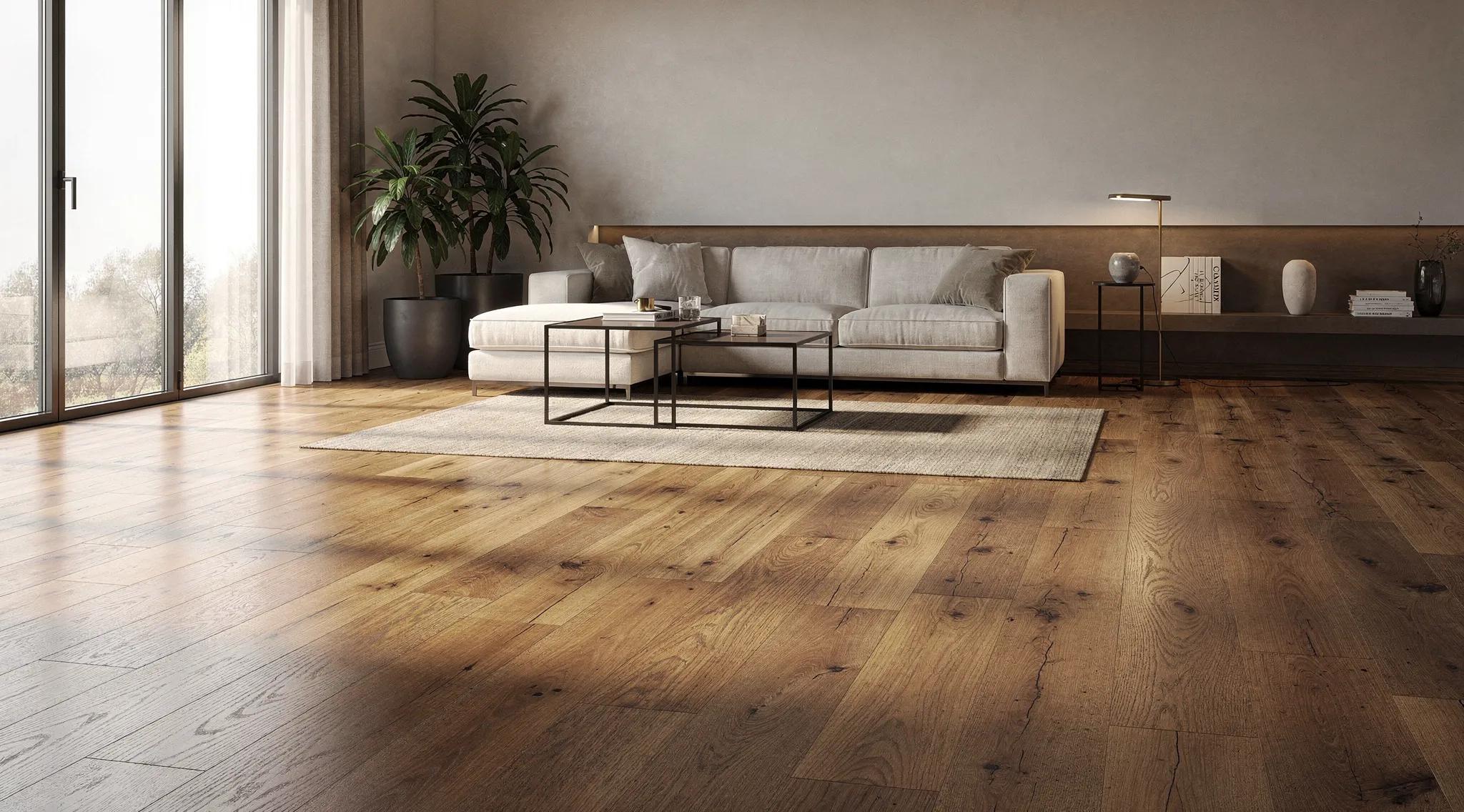
Choosing the right flooring can transform your home, elevating its style and value. In Australia, luxury timber flooring offers a blend of aesthetics, durability, and eco-friendliness, creating an inviting atmosphere in residential and commercial spaces alike. This comprehensive article explores the wide array of luxury timber flooring options available, expert installation services, and essential considerations when selecting your flooring. Whether renovating or designing from scratch, understanding timber flooring’s benefits will help you make informed decisions. We cover everything from the installation process, environmental impact, maintenance requirements, and how Australia’s diverse climates influence your choice. Get ready to discover the best ways to elevate your spaces using high-quality timber flooring that stands the test of time.
Expert Installation Services
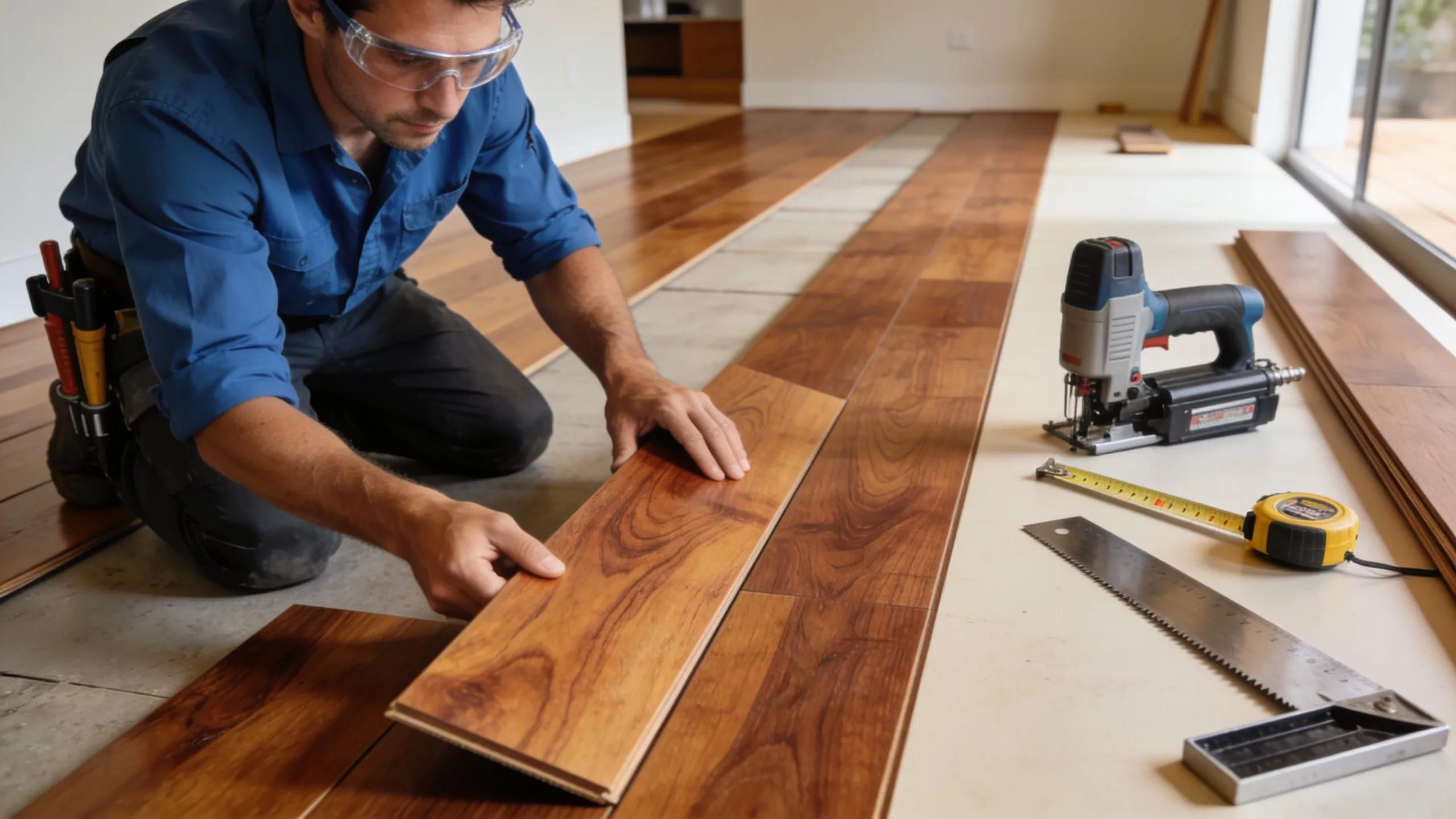
Expert installation is critical in achieving the full benefits of luxury timber flooring, ensuring a flawless finish and long-lasting performance. Professional installers consider factors such as timber acclimatization, subfloor quality, and climate variations across regions like Sydney, NSW, and Queensland, where temperature and humidity significantly impact timber behavior. At Royal Floors, certified installers apply industry-best techniques including precise measuring, moisture testing, and acclimation periods to prevent common issues like warping or gaps. Their expertise extends to choosing appropriate underlayments and finishes tailored to each environment, ensuring durability and aesthetic appeal. This rigorous approach guarantees your timber flooring investment exceeds expectations in both looks and longevity.
Key Features of Timber Flooring
Timber flooring is celebrated for combining natural aesthetics with robust performance. Its key attributes include:
Natural Beauty: Each plank’s unique grain pattern and color tone enhances warmth and character in any setting.
Durability and Hardness: Premium timber withstands heavy foot traffic and resists scratches, suitable for busy residential and commercial spaces.
Sustainability: Many timber flooring products come from responsibly managed forests, supporting environmental stewardship.
Thermal and Acoustic Insulation: Timber naturally improves room comfort by providing insulation against cold floors and reducing noise transmission.
Ease of Maintenance: Properly sealed timber floors are easy to clean and maintain, with options for refinishing to refresh appearance.
Material Type
Key Features
Durability
Best Use Cases
Solid Hardwood
Natural beauty, long lifespan, can be sanded and refinished multiple times
Highly durable
Living rooms, formal spaces, areas with stable humidity
Engineered
Moisture resistant, design versatility, easier installation over various substrates
Moderate to high
Kitchens, basements, high moisture environments
Bamboo
Fast-growing, sustainable, visually distinct
Durable but varies by processing
Eco-conscious homes, modern interiors
This table illustrates how different timber materials compare across durability, aesthetics, and ideal applications, enabling homeowners to tailor their flooring choice to lifestyle and environmental factors.
Types of Timber Flooring
Understanding the various timber flooring types is crucial to selecting an option that suits both aesthetic and functional needs. The main categories include:
Hardwood Flooring: Made from single planks of solid wood, hardwood floors offer timeless beauty, high strength, and the ability to be sanded and refinished multiple times for longevity.
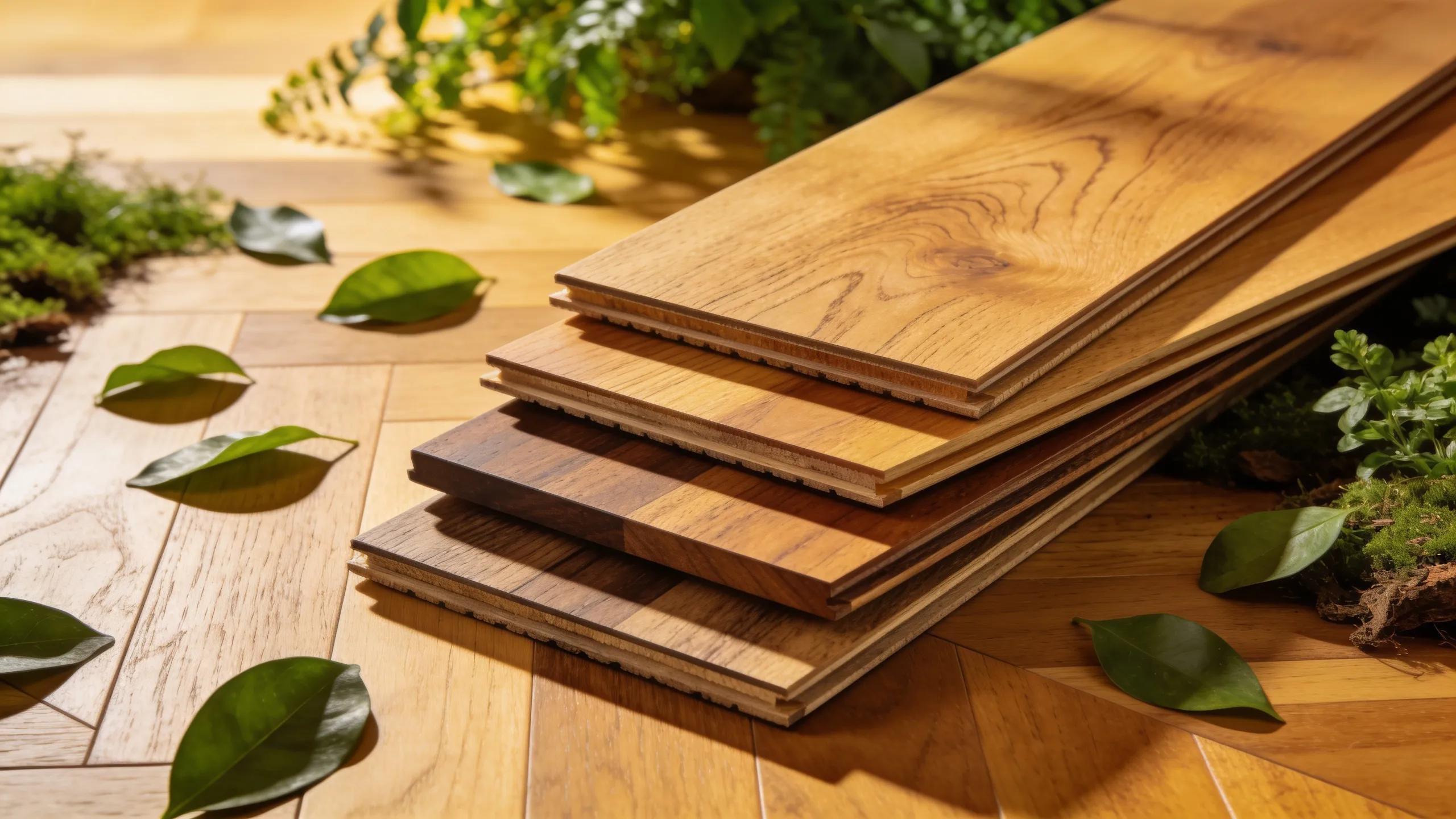
Engineered Timber Flooring: Constructed from multiple wood layers topped with a hardwood veneer, engineered flooring provides superior resistance to moisture and temperature changes, reducing warping risks commonly found with solid wood.
Bamboo Flooring: Though technically a grass, bamboo offers hardness comparable to hardwoods with faster renewability, making it an attractive sustainable option.
These categories adapt well to different environments and design preferences, allowing for informed decisions tailored to your space.
Durability and Hardness
Durability in timber flooring depends on species, construction, and finish. Australian climates demand particular consideration for these factors:
Hardwoods like Oak, Maple, and Australian Blackbutt: Recognized for their strength, making them optimal for high-traffic and active households.
Engineered Boards: Enhanced dimensional stability thanks to cross-layered ply cores, ideal for fluctuating humidity and temperature.
Bamboo: Varies by type but generally offers robust wear resistance with proper treatment and installation.
Aesthetic Appeal
Timber flooring delivers unparalleled aesthetic versatility. With various finishes—matte, satin, glossy—and stains available, each species can be tailored to rustic, contemporary, or classic designs. Native Australian timbers like Tasmanian Oak and Spotted Gum offer unique color tones and grain textures that complement architectural styles. Moreover, customized edge profiles and plank widths further personalize flooring to create striking visual narratives in any room.
Sustainability
Environmental responsibility is integral to modern timber flooring. Certified sustainable sourcing ensures forests are managed to preserve biodiversity and prevent deforestation. Organizations like the Forest Stewardship Council (FSC) and Program for the Endorsement of Forest Certification (PEFC) certify compliance with these standards. Additionally, timber is a natural carbon sink supporting climate mitigation efforts. Many suppliers, including Royal Floors, offer products verified for sustainability, enabling homeowners to align their interior design choices with ecological values without compromising on quality.
Benefits for Residential and Commercial Properties
Luxury timber flooring enhances properties by combining beauty, functionality, and value:
Natural Elegance: Instantly uplifts interiors, creating warm, inviting atmospheres suitable for homes and businesses.
Longevity: Appropriately maintained timber floors often exceed several decades, reducing replacement frequency and waste.
Hardwood Flooring: Best for climate-stable regions with consistent humidity, such as southern coastal areas. Ideal in spaces where controlled indoor environments exist.
Engineered Timber Flooring: Preferred in areas with fluctuating humidity or temperatures, like Queensland and parts of New South Wales, due to enhanced dimensional stability.
Bamboo Flooring: Gaining popularity in metropolitan regions seeking sustainable choices with moderate environmental control.
What Are the Key Differences Between Engineered and Hardwood Timber Flooring?
Choosing between engineered and hardwood floors involves several considerations:
Material Composition: Hardwood is a single solid wood plank, while engineered flooring has a multi-layered plywood base topped with a hardwood veneer.
Moisture Resistance: Engineered timber tolerates moisture and temperature fluctuations better, reducing cracking or cupping.
Installation: Engineered boards can be installed via floating, gluing, or nailing on various substrates, including concrete; solid hardwood typically requires nailing to wooden subfloors.
Refinishing Potential: Hardwood floors can be sanded and refinished multiple times; engineered flooring’s veneer restricts the number of possible refinishings.
How Does Bamboo Timber Flooring Compare as a Sustainable Alternative?
Bamboo timber flooring offers an environmentally responsible alternative with comparable benefits:
Rapid Regrowth: Bamboo can reach maturity in 3-5 years, making it a highly renewable resource compared to decades-long cycles of hardwoods.
Durability: High-quality bamboo flooring is dense and hard; however, untreated bamboo may be vulnerable to moisture, requiring appropriate processing and finishing.
Aesthetic Versatility: Bamboo’s distinct grain and pale coloration suit modern and minimalist interiors.
Carbon Sequestration: Bamboo cultivation contributes to lowering atmospheric CO2, making it a carbon-positive material choice.
How Does the Timber Floor Installation Process Work Across Sydney, NSW, and Queensland?
Professional timber floor installation includes comprehensive steps to ensure quality results:
Subfloor Preparation: Cleaning, leveling, and moisture testing the subfloor to guarantee a stable base.
Acclimatization Period: Flooring materials are stored at the installation site for days to adjust to local temperature and humidity, minimizing post-installation movement.
Installation Techniques: Depending on timber type, installation may involve nailing, gluing, or floating of floorboards aligned precisely for aesthetic uniformity.
Finishing Touches: Sanding, staining if required, and sealing with appropriate finishes to protect and enhance timber appearance.
Post-Installation Inspection: Thorough evaluation to ensure evenness, secure fastening, and finish quality.
Regional climatic awareness throughout this process ensures timber flooring adapts and endures Australian conditions effectively.
Why Choose Royal Floors for Timber Flooring Installation in Your Region?
Selecting Royal Floors offers decisive advantages due to their commitment to excellence:
Comprehensive Warranties: Royal Floors provides guarantees covering workmanship and product integrity, reflecting confidence in their solutions.
Superior Customer Service: Tailored consultations and responsive communication streamline the selection and installation journey.
Local Expertise: Intimate knowledge of regional climates and architectural styles enables bespoke flooring recommendations.
Certified Installation Teams: Skilled tradespeople adhere to best practice standards, ensuring flawless floor performance.
Wide Product Range: Access to luxury and sustainable timber species and finishes for varied design preferences.
What Are the Maintenance Requirements for Timber Floors to Ensure Longevity in Australian Climates?
Proper care extends timber floor lifespan, especially in climates with seasonal variation. Recommended maintenance includes:
Regular Cleaning: Lightly damp mopping with pH-neutral cleaners; avoid excessive water and harsh chemicals.
Humidity Management: Use humidifiers or dehumidifiers to maintain indoor humidity between 40-60% to prevent cracking or swelling.
Protective Measures: Use floor mats in high-traffic areas and felt pads under furniture to prevent dents and scratches.
Periodic Refinishing: Depending on wear, sanding and applying fresh sealants every 7-15 years revitalizes floors.
Immediate Spill Response: Wipe spills promptly to avoid moisture damage or staining.
How Does Seasonal Climate Affect Timber Flooring Care in Australia?
Australian seasons influence timber condition:
Humidity Fluctuations: Expansion during humid summers and contraction in dry winters may cause minor gaps or cupping—regular monitoring and adjustments help minimize impact.
Sun Exposure: UV rays can fade finishes and timber coloration; window treatments and rugs protect exposed flooring.
Temperature Extremes: Sudden temperature changes can stress timber; maintaining stable indoor environments supports floor integrity.
Seasonal Maintenance: Inspections at change of seasons detect issues early; adjusting cleaning routines aligns with environmental conditions.
How Do Costs and Financing Options Impact Choosing Luxury Timber Flooring Solutions?
Budgeting involves balancing short-term investment against long-term benefits:
Initial Costs: Solid hardwood tends to be pricier due to material and installation complexity, while engineered and bamboo offer cost-effective alternatives.
Financing Plans: Many providers, including Royal Floors, offer installment options or financing to spread payments.
Value Over Time: Durable timber flooring increases property value and reduces replacement frequency, representing a smart investment.
Customization Expenses: Specialty finishes or wide plank styles may incur additional costs but can uniquely enhance interiors.
Careful planning and consultation with experts ensure a flooring solution that fits financial and design goals seamlessly.
What Current Flooring Trends Influence Luxury Timber Flooring Choices in Sydney, NSW, QLD, and ACT?
Sustainable and Ethical Sourcing: Increasing consumer focus on environmental impact drives demand for certified and reclaimed wood options.
Minimalist and Natural Designs: Simple, clean lines and natural finishes dominate, emphasizing the authentic character of timber grains.
Diverse Finishes and Textures: From hand-scraped to wire-brushed textures and matte finishes, personalization enhances spatial ambiance.
Wider Plank Flooring: Wider boards create a sense of space and showcase timber’s beauty effectively.
Hybrid Flooring Solutions: Combining timber with other materials like tiles or carpets in creative layouts for functional elegance.
Which Timber Species and Finishes Are Popular in Australian Residential and Commercial Spaces?
Choice of species and finishes shapes interior style and performance. Popular Australian selections include:
Australian Blackbutt: Prized for hardness, natural golden to rich brown tones, and excellent durability.
Kapur: Known for deep reddish hues and resilience, ideal for commercial settings.
Tasmanian Oak: Offers softer tones and fine grain, suitable for traditional and modern aesthetics.
Spotted Gum: Characterized by distinctive color variation and high wear resistance.
Popular Finishes encompass matte and satin polyurethane for subdued sheen and durability, as well as oil finishes that enhance grain contrast and allow easier spot repairs. Each finish balances protection with desired visual effects based on functional needs.
How Does Sustainability Shape Timber Flooring Demand in Australia Through 2026?
The evolving market reflects growing environmental priorities:
Consumer Awareness: Buyers increasingly prioritize sustainably sourced materials certified by trusted bodies like FSC and PEFC.
Discover unparalleled luxury and enduring quality with Royal Floors' premium timber flooring solutions, expertly crafted and installed across Australia. We transform residential and commercial spaces with the natural beauty and sophisticated appeal of high-grade timber, enhancing both aesthetics and property value.
Our commitment extends beyond mere installation; we provide a comprehensive service that includes expert consultation, precise fitting, and durable finishes tailored to Australia's diverse climates. Whether you seek the timeless elegance of hardwood, the versatile resilience of engineered timber, or the sustainable charm of bamboo, Royal Floors offers a solution that perfectly complements your lifestyle and design vision.
Expert Timber Floor Acclimatisation and Installation
Ensuring the longevity and stability of your timber floors begins with meticulous acclimatisation and professional installation. Royal Floors prioritises these critical steps, understanding that Australia's varied temperature and humidity levels demand a tailored approach to prevent common issues like warping, gapping, or cupping.
Our certified installers follow industry-leading practices, including thorough subfloor preparation, precise moisture testing, and adequate acclimatisation periods for all timber materials. This attention to detail guarantees that your flooring will maintain its integrity and beauty, even in challenging Australian climates, providing a flawless finish that stands the test of time.