Timber Floor Sanding and Polishing in Sydney: A Practical Guide
August 14, 2026
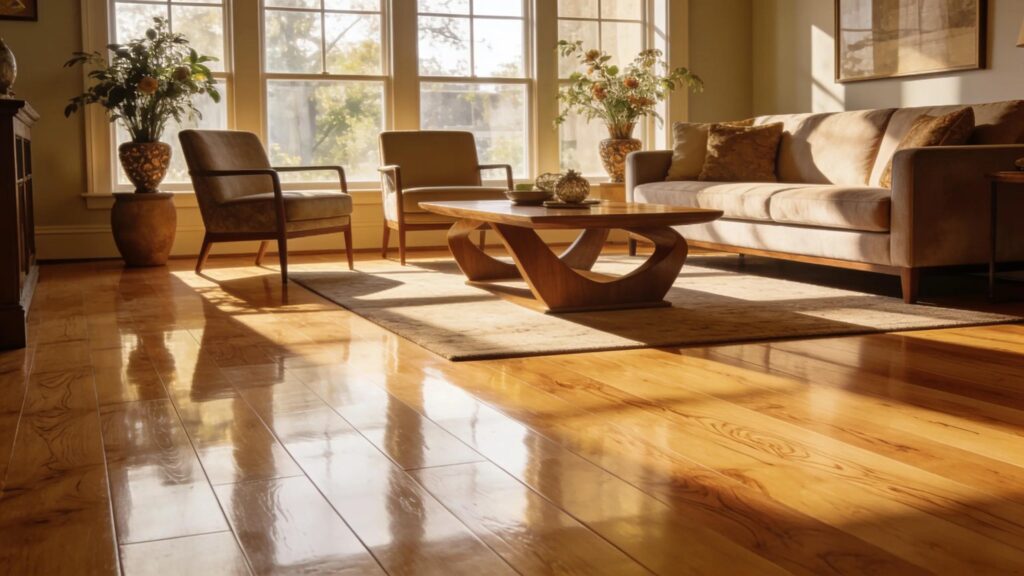
Timber floor sanding and polishing takes a worn, scratched or dull floor back to bare timber, then seals it with fresh coats of finish. If your boards are solid timber, or engineered timber with a thick enough top layer, sanding can bring them back to life without replacing them. Royal Floors offers professional floor sanding and polishing across Sydney and Logan, starting with a free measure and quote.
What are the signs a timber floor needs sanding?
Worn traffic paths. The finish has worn through in hallways, doorways or in front of the kitchen bench, and the timber looks grey or dry.
Deep scratches and dents. Marks that go through the finish and into the timber will not polish out.
Water marks and stains. Dark marks from pot plants, pet accidents or leaks often sit in the timber itself. Deep black stains may not sand out completely; ask us at the measure.
An old, yellowed or patchy finish. Older coatings can discolour, peel or wear unevenly.
You have just lifted old carpet. Some older homes have timber boards hiding under the carpet. If the boards have old paint on them, have it tested for lead before sanding.
Uneven or cupped boards. Sanding can level minor unevenness, but the cause, often moisture, needs to be found and fixed first.
Sanding vs recoating: which does your floor need?
A full sand removes the old finish and a thin layer of timber, taking the floor back to bare wood. A recoat lightly abrades the existing finish and adds a fresh coat on top, without going down to bare timber.
Full sand and polish
Recoat
What it does
Removes the old finish and surface damage
Refreshes the top coat of the existing finish
Good for
Deep scratches, stains, worn-through finish, a new look
Light surface scratches and a dull but intact finish
Timber removed
A thin layer each time
None, only the top of the old finish
Change of finish or sheen
Yes
Limited, as it must suit the existing coating
A recoat only works when the existing finish is sound and compatible with the new coat. Not sure which your floor needs? Book a free measure and quote and ask our team to take a look.
Which timber floors can be sanded?
Solid timber floors
Solid timber boards are one piece of timber all the way through, so they can be sanded and refinished several times over their life. The amount of timber above the tongue sets the limit.
Engineered timber floors
Engineered timber has a real timber top layer bonded to a core. Only the top layer can be sanded, so its thickness decides whether a sand is possible and how many times. A thin top layer may only suit a light sand or a recoat. Always check the top-layer thickness and the manufacturer’s care and warranty conditions before you sand.
Ask us, or check the manufacturer’s guide, before sanding any engineered floor. For more on how the two are built, read our guide to engineered vs solid timber flooring.
Floors that cannot be sanded
Hybrid, laminate and most vinyl planks have a printed design layer under a protective wear layer, so they cannot be sanded. If one is worn or damaged, see our flooring installation and repairs service instead.
What is dustless floor sanding?
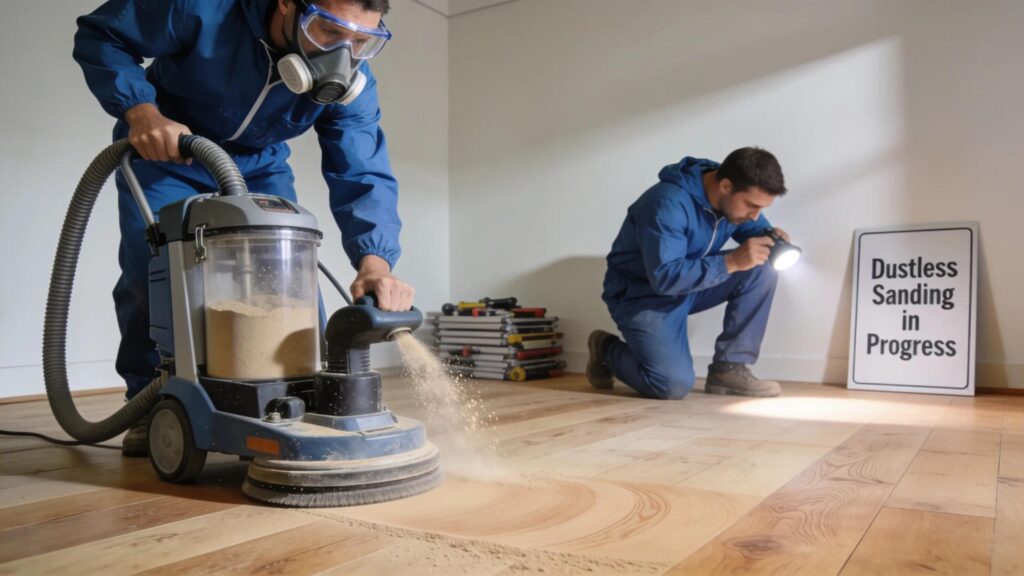
Sanding creates fine timber dust. Dust-reduced systems, sometimes sold as dustless sanding, connect the sanding machines to vacuum extraction that collects much of the dust at the machine as it works. They can cut down the cleaning afterwards, but no system captures every particle, so some dust is normal.
If dust is a concern for your household, ask what equipment will be used and how dust is managed when you get your quote. Our floor sanding and polishing team uses professional sanding equipment and can talk you through the process.
Choosing a finish for your timber floor
Once the floor is sanded, it is sealed with a protective finish. The main types are:
Water-based polyurethane. Usually dries clear and keeps the timber closer to its natural colour, with less odour than solvent-based coatings.
Solvent-based polyurethane. Tends to give timber a warmer, amber tone that deepens over time.
Penetrating oils and hardwax oils. Soak into the timber for a natural, low-sheen look, and usually need more regular upkeep.
Sheen is a separate choice. Our floor sanding and polishing service offers matte, satin and gloss finishes. Matte hides fine scratches and dust well, gloss gives a reflective shine but shows marks more, and satin sits between the two. Weighing up colour too? Our timber flooring colours guide explains how light, mid and dark tones behave.
How to prepare your home for floor sanding
Clear all furniture, rugs, pot plants and loose items from the rooms being sanded.
Tie up or take down floor-length curtains.
Plan where pets and children will be while the work is under way and while the finish dries.
Work out how you will reach the kitchen and bathroom during the job.
Point out loose or squeaky boards, gaps and water damage when you get your quote.
Ask about ventilation, and whether heating or cooling should stay off while coats are applied.
How long does a sanded and polished floor take to dry?
Drying and curing are different things. A finish can feel dry to the touch well before it has fully cured and hardened. Times depend on the type of finish, the number of coats, the weather and ventilation, so there is no single answer.
Walk on the floor, in socks only, when your contractor says it is ready.
Wait longer before moving furniture back, and put felt pads under the legs.
Hold off on rugs and mats until the finish has fully cured.
Avoid wet mopping and harsh cleaners while it cures.
Want a new timber floor you can sand? Solid timber, supplied raw
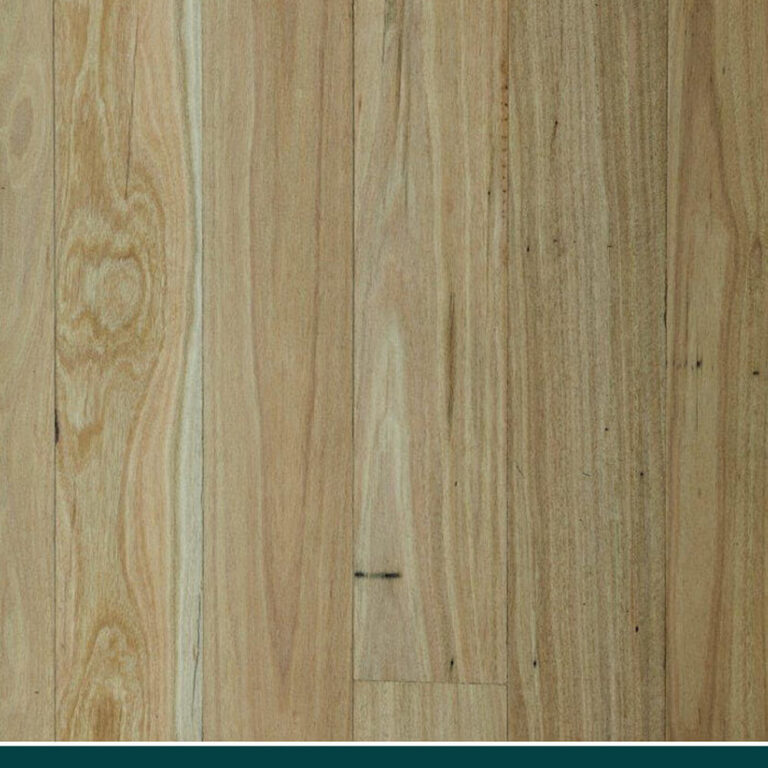
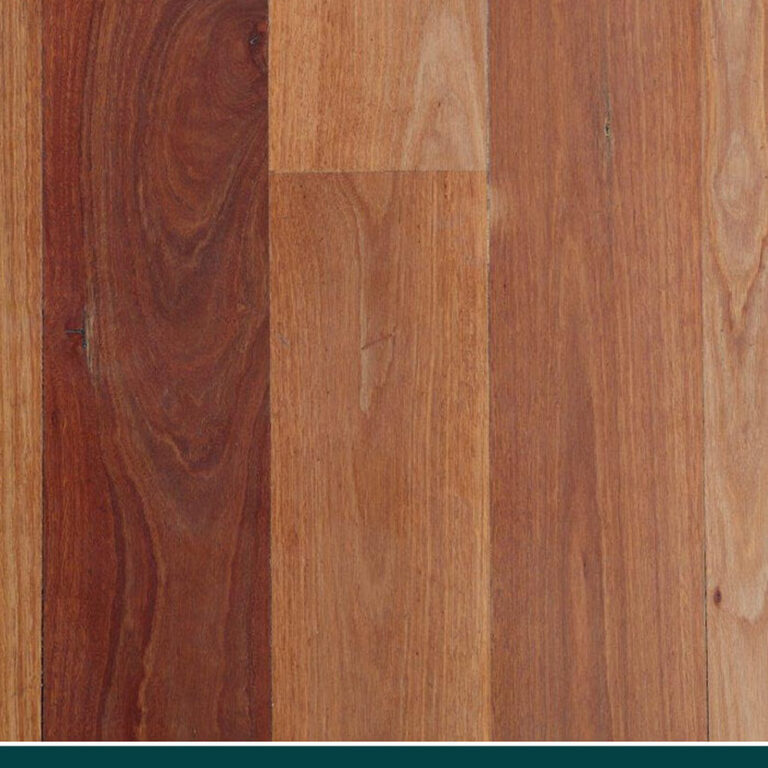
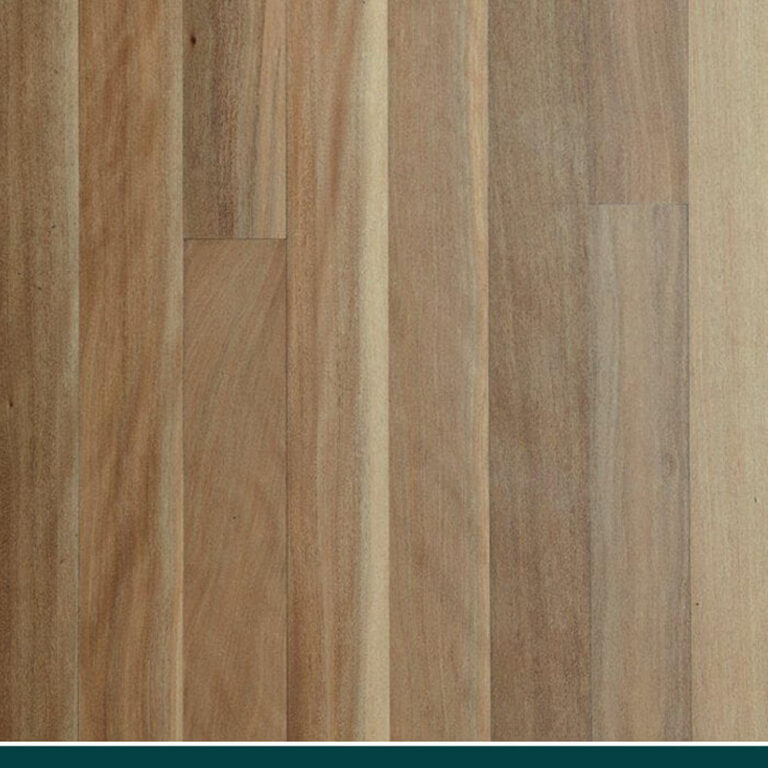
If your old floor is past saving, or you are building, Traditional Solid Flooring is solid timber in 26 species, including Blackbutt, Spotted Gum, Jarrah, Ironbark and Tasmanian Oak. It is supplied raw for sanding and finishing on site, so you choose the finish and sheen once it is laid. Ask us for available board sizes and grades.
Prefer a pre-finished floor? Browse our timber flooring range. Or for a timber look you never sand, our hybrid flooring includes ranges with a waterproof core.
Often, yes, depending on the thickness of the timber top layer. Check the thickness and the manufacturer’s care and warranty conditions before you sand.
Is dustless floor sanding really dust free?
No system removes every bit of dust. Dust-reduced systems use vacuum extraction to collect much of it at the machine. Ask about the equipment when you get a quote.
Should I sand or recoat my timber floor?
If the finish has worn through, or the floor has deep scratches or stains, it needs a full sand. If the finish is intact and just dull or lightly scratched, a recoat may be enough.
How long before I can walk on a sanded floor?
It depends on the finish, the number of coats, the weather and ventilation. Follow the times your contractor gives you for foot traffic, furniture and rugs.
Do you offer timber floor sanding near me?
Royal Floors offers floor sanding and polishing across Sydney and Logan. Book a free measure and quote online or call 1300 980 501.