Loose Lay Vinyl Flooring: How It Works, Pros and Cons
November 24, 2026
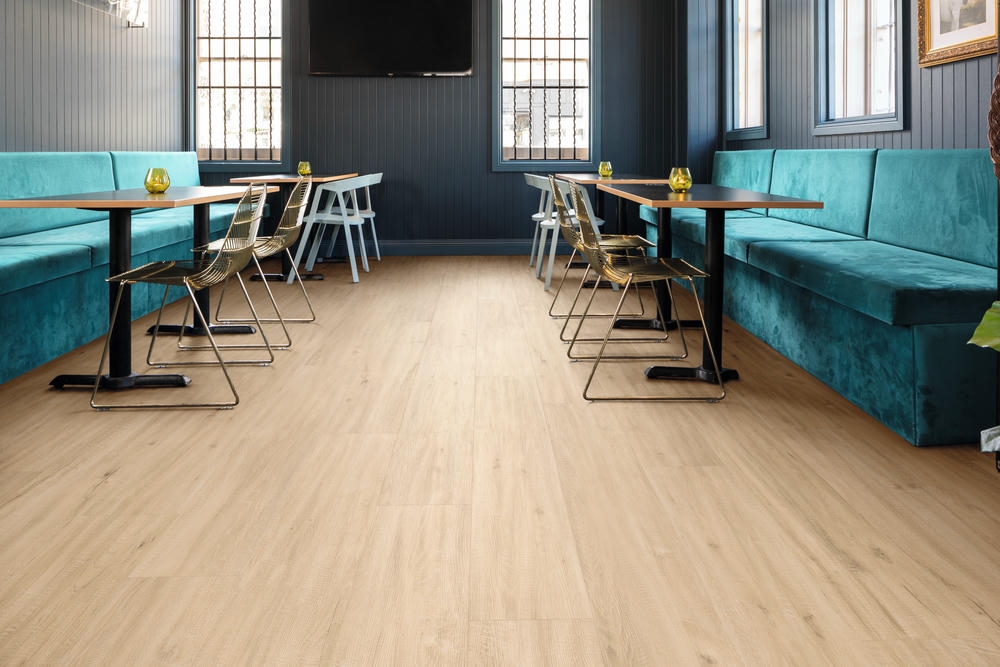
Loose lay vinyl flooring is one of the quickest floors to install and one of the easiest to repair. The planks sit flat on the subfloor and stay in place thanks to a heavy, grippy backing, with no glue or click joints across most of the floor. This guide explains how loose lay vinyl works, its pros and cons, where it suits best, how it compares with glue-down and click floors, and the loose lay ranges we stock.
How does loose lay vinyl flooring work?
Each loose lay plank or tile has a heavy backing that holds it in place through weight and friction. The planks are cut to fit and butted tightly together, so the floor goes down quickly and individual planks can be lifted and replaced if one is ever damaged. Depending on the room size, sun and traffic, the manufacturer’s guide may call for adhesive or a tackifier around the edges or across the floor, and we follow that guide on every job.
Loose lay vinyl pros and cons
Pros
Cons
Fast installation, with little or no adhesive across the floor
Needs a smooth, flat, clean subfloor, because it follows every bump
Easy to lift and replace a damaged plank
Large or very sunny areas may need perimeter adhesive or a tackifier, as the maker advises
Waterproof vinyl surface and low maintenance
Heavy furniture should be lifted, not dragged
Quiet and comfortable underfoot
Fewer thickness options than hybrid
Low profile at 4.5mm, good for renovations
Not a substitute for waterproofing in wet areas
Where loose lay vinyl works best
Karndean lists its LooseLay ranges for living rooms, dining areas, hallways, kitchens and bedrooms. It is a good fit for:
Renovations, where the 4.5mm profile helps with door heights and transitions.
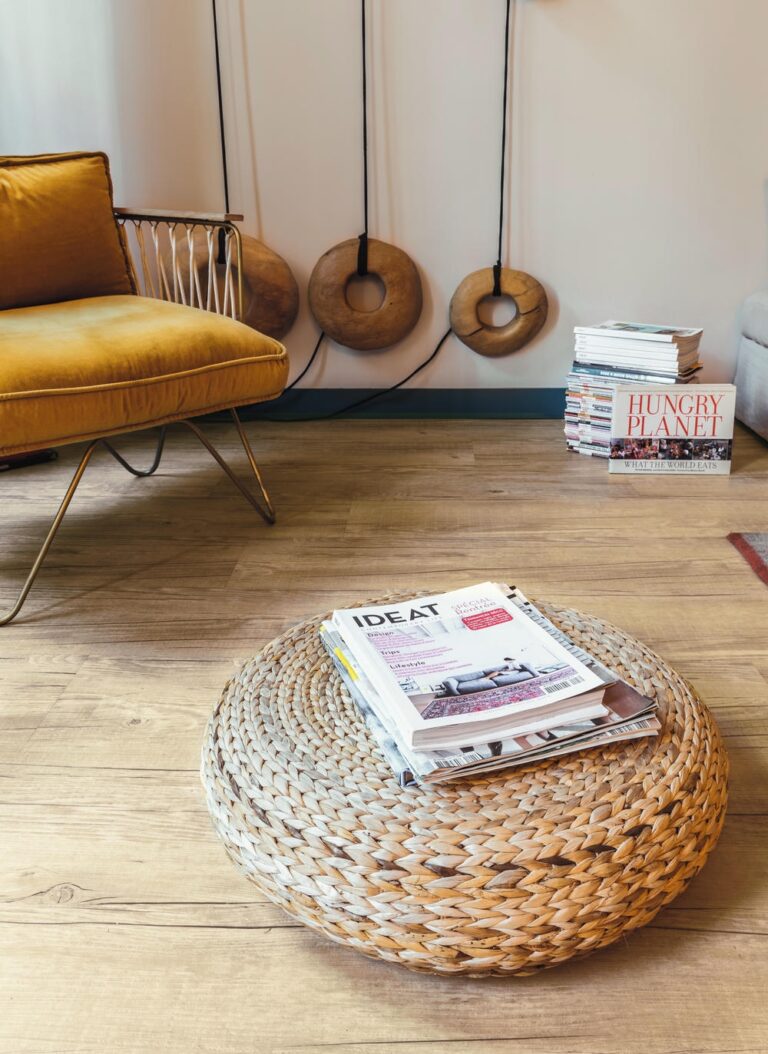
Kitchens and living areas, thanks to the waterproof surface and easy cleaning.
Apartments, where quiet, comfortable floors matter. Check your strata by-laws first; see our apartment flooring guide.
Large open-plan homes, especially with longboard planks that have fewer joins.
Homes that may need repairs, such as rentals, because a single plank can be swapped out.
Because loose lay vinyl is flexible, the subfloor must be smooth, level and clean. Bumps, trowel marks and grout lines can show through over time. On concrete, the slab is checked for flatness and moisture, and any levelling is done before the planks go down. Loose lay can often go over existing flat, sound tiles once the grout lines are filled; our guide to flooring over tiles explains when, and flooring over concrete covers slabs.
Our loose lay vinyl ranges
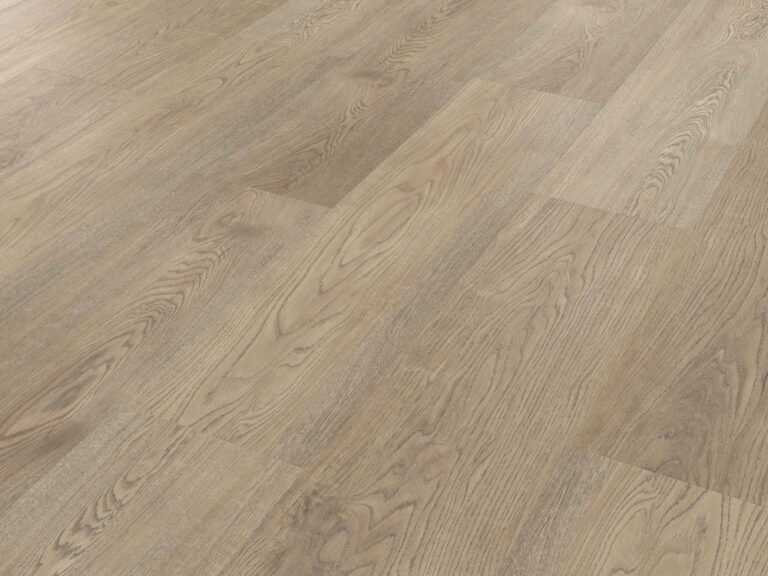
Karndean LooseLay Longboard – 1500 x 250mm planks, 4.5mm thick with a 0.55mm wear layer and a K-Wave friction grip backing that Karndean says reduces impact noise by up to 14dB. They stay in place without adhesive across the floor and can be lifted and replaced. Eleven colours, Karndean lifetime residential warranty.
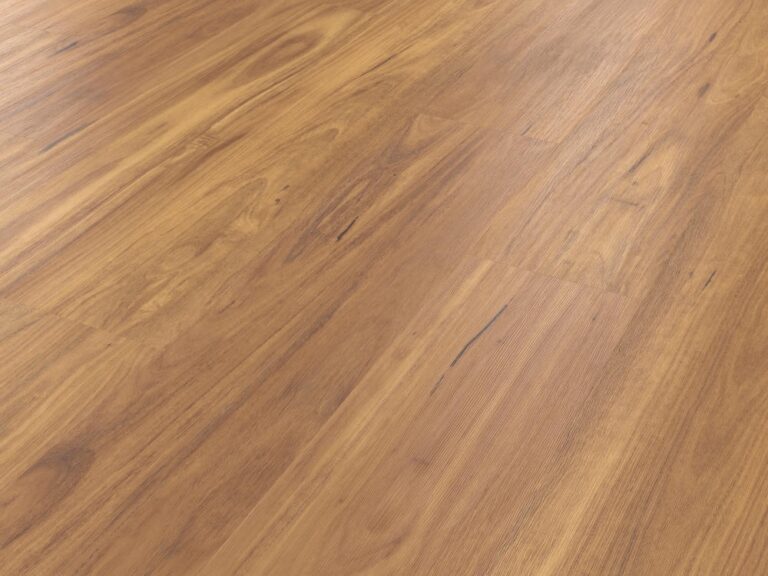
Karndean LooseLay Originals – 1050 x 250mm planks, 4.5mm thick with a 0.55mm wear layer, in nineteen wood designs, with Karndean’s lifetime residential warranty.
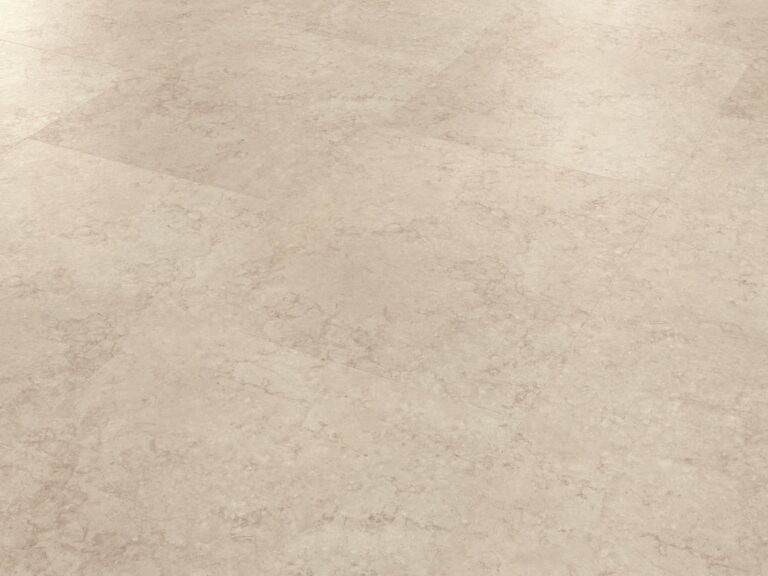
LooseLay Originals Tiles – 500 x 610mm loose lay tiles in eleven stone and concrete looks, with the same lifetime residential warranty.
Quality loose lay vinyl stays in place thanks to its heavy backing. Large or very sunny areas may need perimeter adhesive or a tackifier, as the maker’s guide sets out.
Is loose lay vinyl waterproof?
The vinyl itself is waterproof, which suits kitchens and living areas. It does not waterproof a room, so it is not a substitute for waterproofing in bathrooms.
Can you install loose lay vinyl over tiles?
Often yes, if the tiles are sound and flat and the grout lines are filled so they do not show through. We check this at your free measure and quote.
Can I replace one loose lay plank?
Yes. That is one of its biggest advantages: a damaged plank can be lifted out and a new one laid in its place.
Is loose lay vinyl good for apartments?
It is quiet and comfortable underfoot, but check your strata by-laws and acoustic requirements before choosing any hard floor.
Explore our vinyl flooring range and find a floor that is easy to install and easy to love.