Carpet vs Timber Flooring: Which Is Better for Your Home?
April 2, 2026
Are hardwood floors better than carpet? It depends on the room. Timber (hardwood) flooring is easy to wipe clean and suits busy living areas, while carpet is softer, warmer underfoot and quieter. That is why many homes use both: timber in the living areas and carpet in the bedrooms.
This guide compares carpet vs hardwood flooring on comfort, noise, cleaning, wear, pets and resale appeal, with real ranges from our timber flooring and carpet collections.
Carpet vs timber flooring at a glance
Timber flooring
Carpet
Feel underfoot
Firm, smooth and cool
Soft, cushioned and warm
Noise
Footsteps and dropped items carry more
Absorbs footfall and room noise
Cleaning
Sweep, vacuum and damp mop
Regular vacuuming and periodic deep cleaning
Dust and pet hair
Sits on the surface, easy to see and wipe up
Held in the pile until vacuumed
Spills
Wipe up promptly; timber is not waterproof
Blot promptly; stain resistance depends on the fibre
Wear
Can scratch and dent; can often be sanded and refinished
Traffic paths can flatten; check the duty rating
Best rooms
Living, dining, kitchens and hallways
Bedrooms, media rooms and upstairs
Are hardwood floors better than carpet?
Neither wins everywhere. Timber is the stronger choice where you want easy cleaning and a floor that handles shoes, chairs and spills. Carpet is the stronger choice where comfort and quiet matter most. Think about each room on its own and ask how it is used.
Comfort and warmth
Carpet feels soft and warm underfoot, and the underlay beneath it adds cushioning. It is comfortable to sit, play or stretch out on, which is why it suits bedrooms, kids’ rooms and media rooms. Timber feels firm and can feel cool, which many people like in warmer months. A rug adds softness to a timber living room where you want it.
Noise: which is better for apartments and upstairs rooms?
Hard floors carry footsteps and impact noise more than carpet, which matters most upstairs and in apartments. Carpet and underlay soak up much of that sound and make a room feel calmer. If you live in an apartment, check your strata by-laws before replacing carpet with a hard floor, as many schemes set acoustic requirements or need approval first. Ask what underlay a hard floor would need to meet them.
Cleaning, dust and allergies
Hard floors are easy to sweep, vacuum and damp mop, and dust and pet hair sit on the surface where you can see them. Carpet holds dust and hair in the pile until it is vacuumed, so it needs regular vacuuming and an occasional deep clean. If anyone in your home is sensitive to dust, choose the floor you will find easiest to keep clean, and keep up a regular routine with either one.
Durability and wear
Timber can scratch and dent, especially under chair legs and in busy paths. Matt finishes and mid tones hide marks better than gloss and dark colours. When a timber floor wears, it can often be sanded and refinished: solid timber several times, and engineered timber depending on the thickness of its top layer. Our floor sanding and polishing service can help when that time comes.
Carpet wears gradually in traffic paths, where the pile can flatten. The duty rating tells you how much foot traffic a carpet is built for. For hallways and stairs, look for a range rated for heavy residential use.
Spills are a weak point for both. Wipe up water on timber promptly, as timber is not waterproof. Blot spills on carpet quickly, as stain resistance depends on the fibre.
Which is better with pets?
Timber makes pet hair and muddy paw prints easy to sweep up, but claws can scratch the finish and accidents need cleaning up quickly. In carpet, loop piles can snag claws, so cut pile styles such as twists are often a better match for pets. Triexta, with stain resistance built into the fibre, and solution-dyed nylon, whose colour runs right through the fibre, make clean-ups easier.
Does timber or carpet help resale appeal?
Buyers and tenants have different tastes, and some look for hard floors in living areas while others want carpet in the bedrooms. Whichever you choose, floors in good condition and in neutral colours appeal to the widest range of people.
Mixing both: timber in living areas, carpet in bedrooms
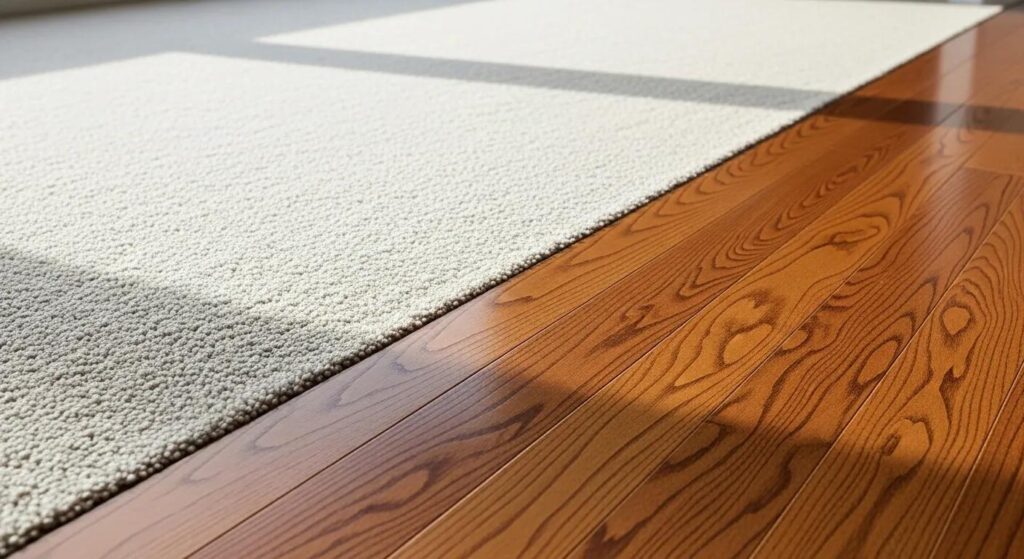
You do not have to choose one floor for the whole house. A common combination is timber through the living, dining, kitchen and hallways, with carpet in the bedrooms and media room. Plan the floor heights early so the two meet neatly, and use a trim where they join. For bedroom ideas, read our guide to the best carpet for bedrooms.
Want to compare both in your own rooms? Book a free measure and quote and we can talk through the options for each space.
Our timber flooring ranges
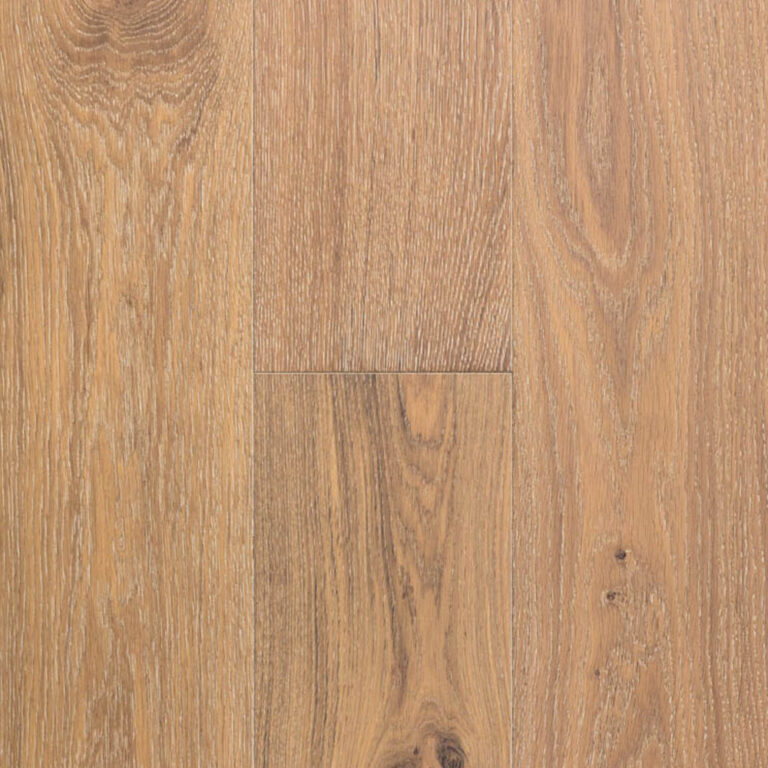
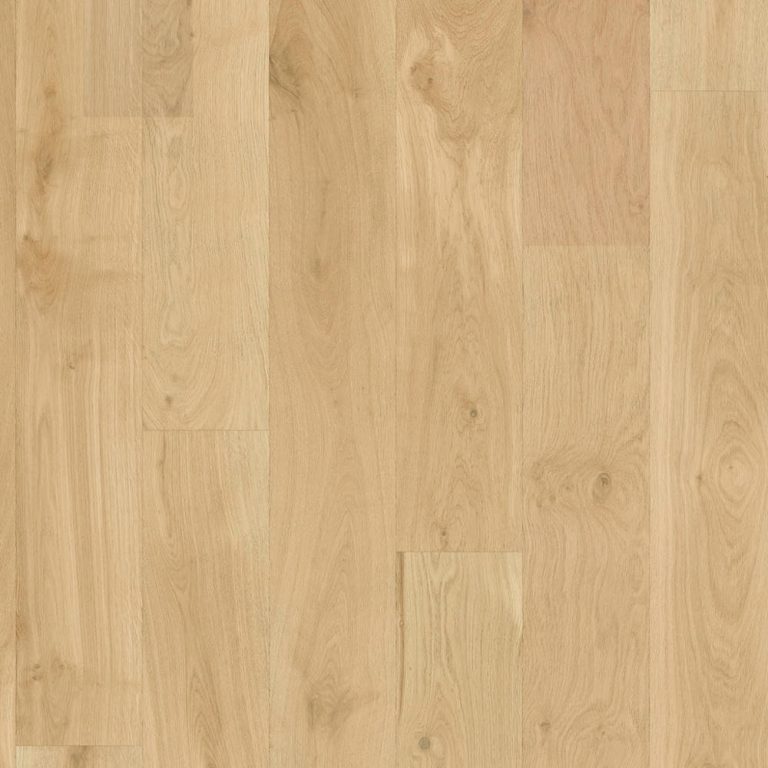
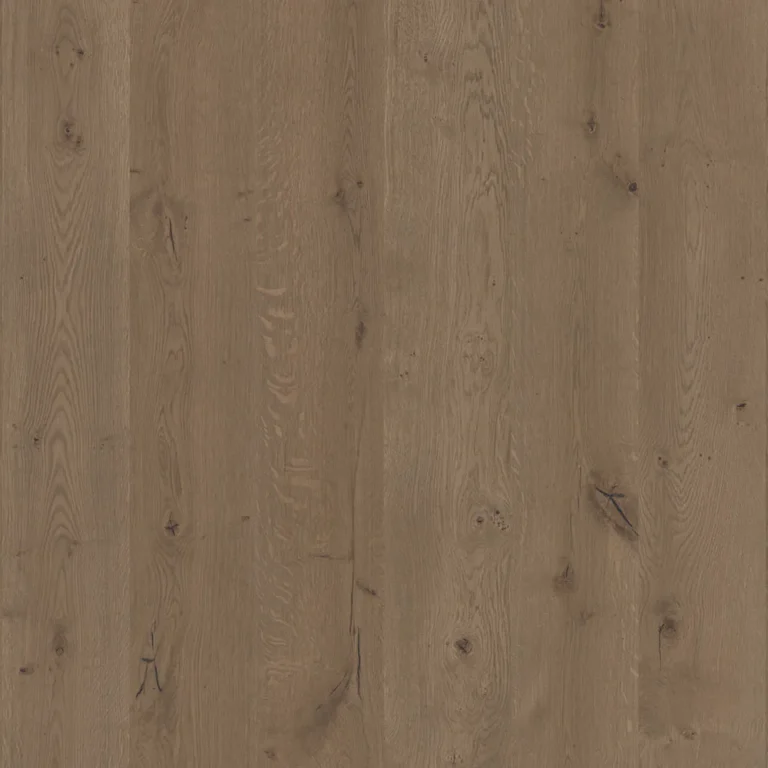
European Oak Plank: European Oak planks in 39 colours across Natural, Prime and Select grades, brushed and UV lacquered, in 14mm, 15mm and 20mm formats.
Royal 14/2mm Oak: a 2mm European Oak top layer over a cross-laminated plywood core, in eight colours from white washes to mocha, with a 20 year residential wear warranty.
Royal AquaCore Oak: a genuine 3mm Oak surface on a water-resistant core, suited to open-plan living, kitchens and dining areas. Ten colours and a 30 year structural warranty.
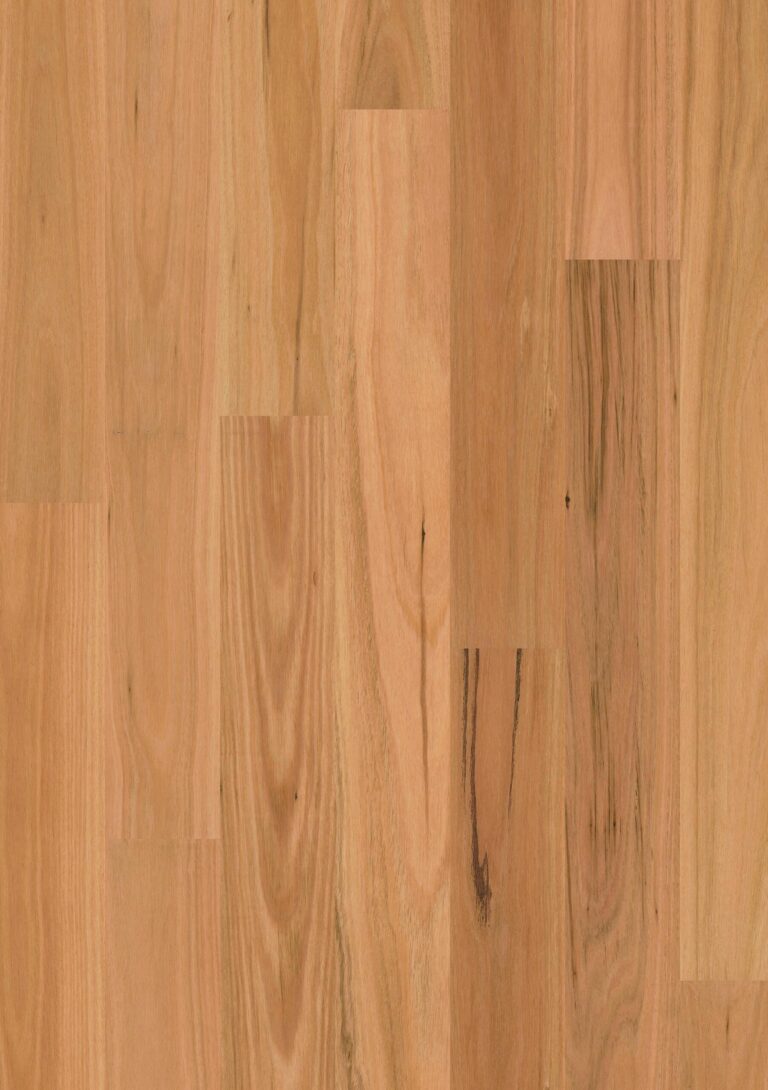
Sidura 1 Strip: real Australian hardwood in Blackbutt, Spotted Gum and Tasmanian Oak, in a matt brushed or gloss finish, with a 25 year residential warranty.
Comparing carpet vs engineered hardwood? Engineered timber has a real timber top layer over a stable core, and it compares with carpet in much the same way as solid timber. Read our guide to engineered vs solid timber flooring for the differences.
Our carpet ranges
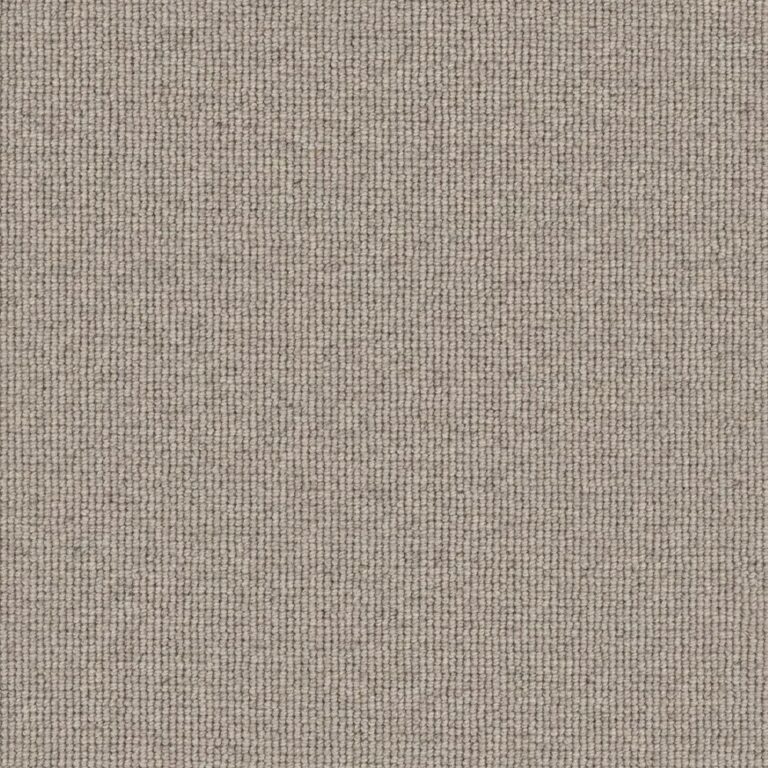
Carramar 4M (wool): a 100% wool level loop made in New Zealand, on a 4m roll for fewer joins. Rated Residential Extra Heavy Duty & Stairs (6 Star), in twelve neutrals, with a 15 year limited residential warranty.
Hause (wool): 100% wool with a modern Berber look, in nine neutral heathered colours.
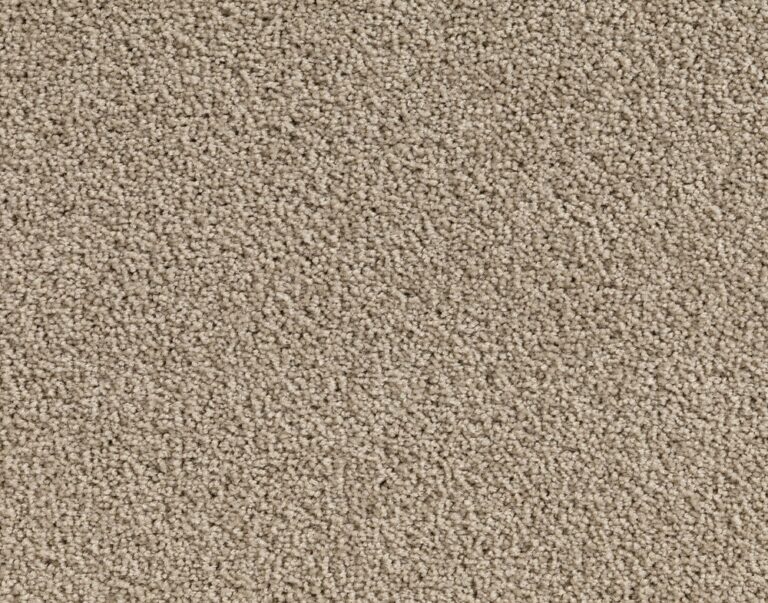
Pacific (nylon): a solution-dyed nylon cut twist pile in 15 colours, with a 15 year residential wear warranty.
Freedom (triexta): a 100% triexta cut pile twist made in Australia, cleanable with cold water and rated Residential Extra Heavy Duty & Stairs (5 Star). 30 colours, with a 25 year triexta limited residential warranty.
Neither is better everywhere. Timber is easy to wipe clean and suits busy living areas, while carpet is softer, warmer underfoot and quieter, so it suits bedrooms.
Is carpet or timber better for apartments?
Carpet absorbs more footfall noise. If you want timber in an apartment, check your strata by-laws first, as many set acoustic requirements or need approval.
Is carpet or timber warmer?
Carpet feels warmer and softer underfoot. Timber feels firm and cooler, and a rug adds warmth where you want it.
Can I have timber and carpet in the same home?
Yes. A common combination is timber in the living areas, kitchen and hallways, with carpet in the bedrooms. Plan the floor heights so the two meet neatly.
Is carpet or timber better with pets?
Timber is easy to sweep but claws can scratch it. If you prefer carpet, a cut pile in triexta, with stain resistance built into the fibre, or solution-dyed nylon, whose colour runs right through the fibre, is easier to keep clean.