Bamboo Flooring Pros and Cons: Is It Right for Your Home?
October 27, 2026
Bamboo flooring has a warm, natural look and a good sustainability story. But is it right for your home? This guide gives an honest look at bamboo flooring pros and cons: how it is made, how hard it is, how it handles water and sun, how it is installed, and how it compares with timber and hybrid, with the bamboo ranges we stock.
What is bamboo flooring?
Bamboo is a grass, not a tree, and it grows much faster than hardwood. Most modern bamboo floors are strand-woven: bamboo fibres are shredded, compressed with resin under heat and pressure into dense blocks, then milled into boards with a timber-like grain. Some ranges are engineered, with a bamboo top layer over a core, like engineered timber. Hardness is often given as a Janka rating, and strand-woven bamboo is very dense: BT Bamboo Strand is rated Janka 15.3 and Royal Hydro Bamboo 14.5 to 15.8.
Bamboo flooring pros and cons at a glance
Pros
Cons
Made from a fast-growing, renewable plant
Standard bamboo reacts to water and humidity, like timber
Strand-woven bamboo is hard and dense
Can still scratch and dent
Warm, natural look with an even grain
Colour can mellow or fade in strong direct sun
Click systems for quick floating installation
Not for bathrooms, laundries or other wet areas
Low-emission options, such as E0 rated boards
Fewer colours and styles than hybrid or laminate
The pros in more detail
A sustainable story. Bamboo regrows quickly after harvesting, so it is a renewable alternative to slow-growing hardwoods. Our bamboo vs engineered timber guide looks at the environmental side in more depth.
Hard-wearing. Strand-woven bamboo is very dense, so it stands up well to everyday family life.
Natural character. Bamboo has a calm, even grain that feels warm underfoot and suits modern and coastal homes.
Quick installation. Our bamboo ranges click together and float over underlay, and some can also be glued.
The cons, and how to manage them
Water: wipe spills straight away and keep bamboo out of wet areas. The BT warranty excludes damage from water and moisture problems. For more peace of mind in kitchens, Royal Hydro Bamboo has a water-resistant AquaCore core for everyday spills.
Humidity: like timber, bamboo moves as the air dries and dampens, so floating installations need expansion gaps at the walls.
Scratches and dents: use felt pads and door mats, lift furniture rather than dragging it, and keep pet claws trimmed.
Sun: blinds or shutters help keep the colour even in bright rooms.
The subfloor: it must be flat, sound and dry. We check moisture and level at the measure.
Our bamboo ranges
BT Bamboo Strand – solid strand-woven bamboo, 14mm thick in 1845 x 130mm boards, Janka 15.3, with 13 layers of aluminium oxide satin finish and Välinge click joints. E0 emissions. Seven colours, 25 year wear and lifetime structural warranty.
Royal Hydro Bamboo – a 2 to 2.5mm strand-woven bamboo veneer on a water-resistant AquaCore core, 13mm thick in 1850 x 135mm boards, with a matte EverGuard lacquer and a P3 wet slip rating. Floating or glued. Seven colours, 30 year residential structural warranty.
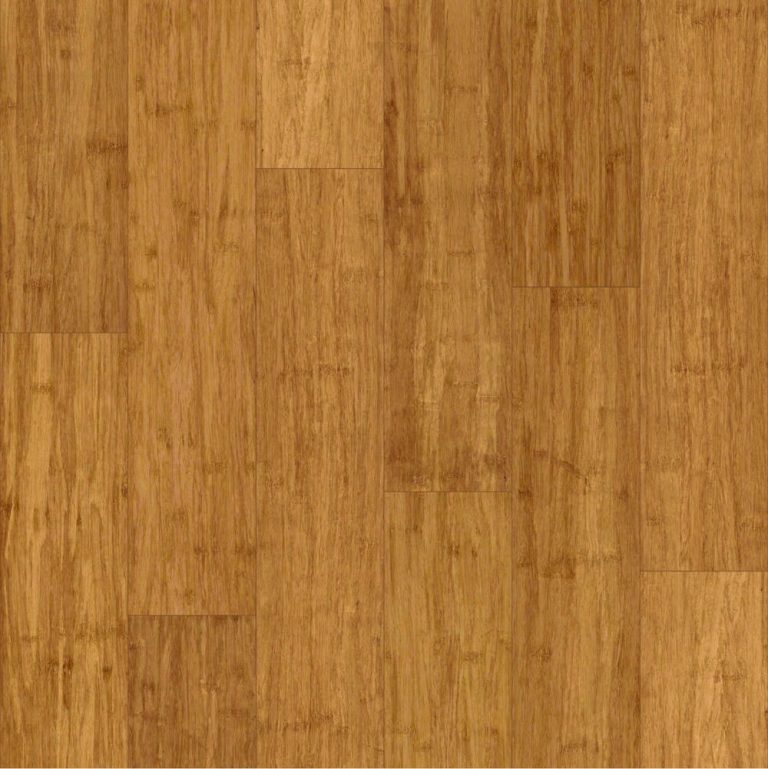
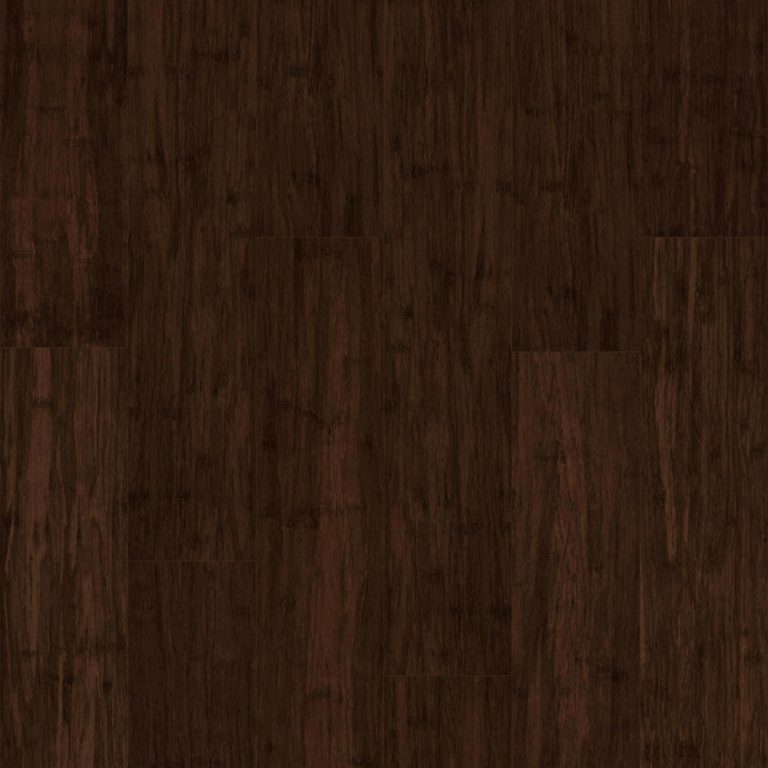
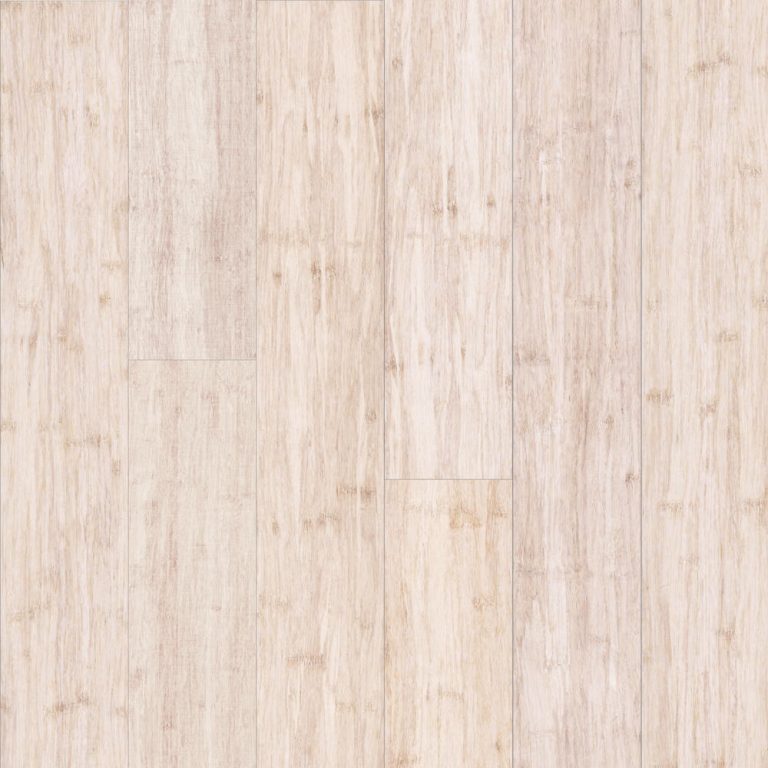
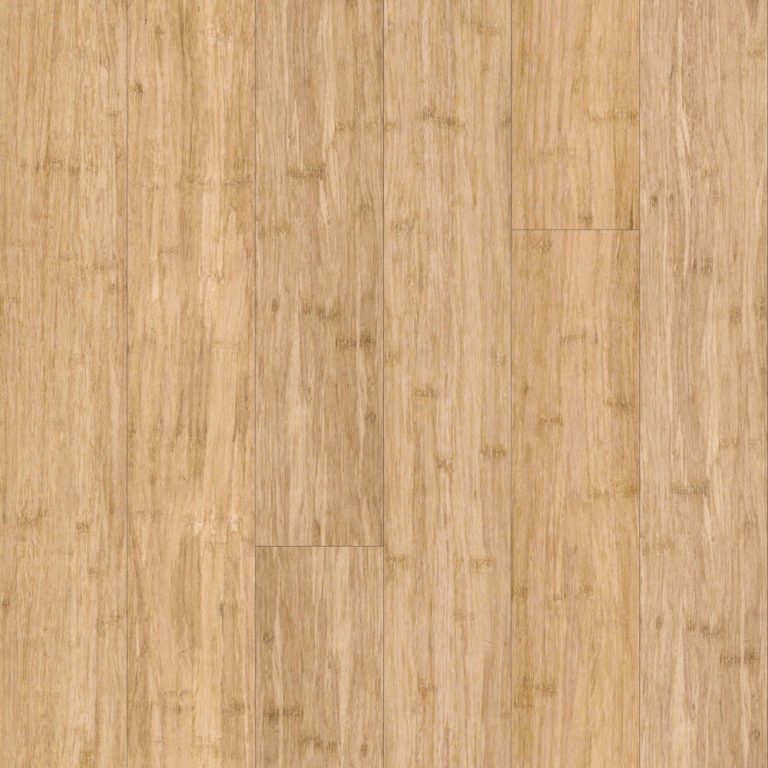
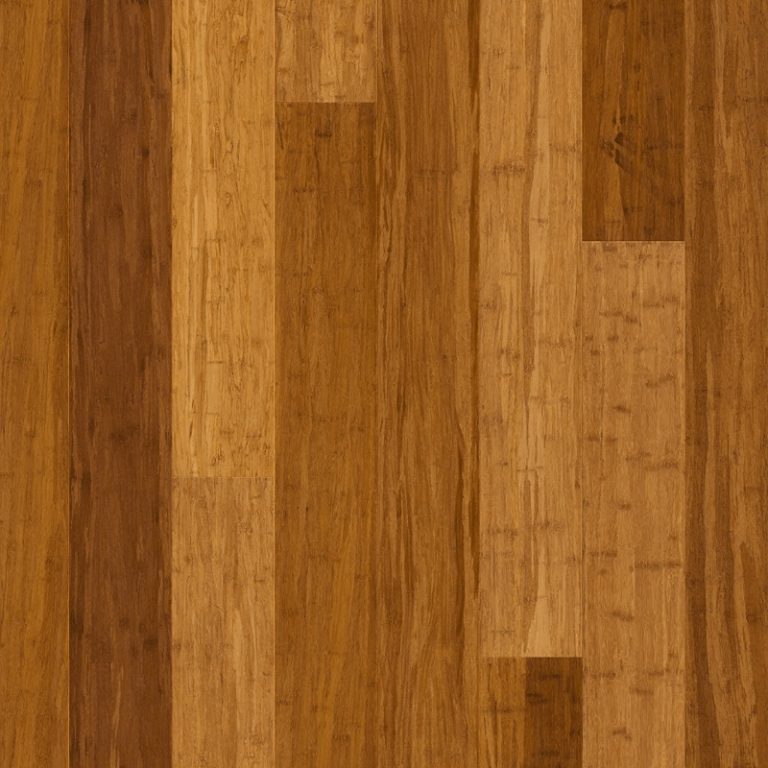
Royal Bamboo – bamboo flooring in seven colours from Classic Natural to Walnut Dark. Ask us for the specification sheet, or see the samples in a showroom.
Bamboo suits homeowners who love a natural look, want a renewable material and are happy to wipe spills promptly. It is a good fit for living areas, bedrooms and studies. If water resistance is your top priority, for example in a busy family kitchen, compare it with hybrid flooring or choose Royal Hydro Bamboo.
Quality strand-woven bamboo is hard, dense and hard-wearing. Choose a reputable range with a clear warranty, and have it installed to the maker’s guide.
Is bamboo flooring waterproof?
No. Bamboo should be kept out of wet areas and spills wiped up quickly. Royal Hydro Bamboo has a water-resistant core for everyday indoor spills, but it is still not for bathrooms or laundries.
Is bamboo harder than timber?
Strand-woven bamboo is very dense. BT Bamboo Strand is rated Janka 15.3, which is harder than many popular timbers. It can still scratch and dent, so felt pads and mats help.
Can bamboo go over concrete?
Yes, floated over an underlay with a moisture barrier, once the slab is flat and dry. We test moisture at the measure.
Is bamboo better than timber?
Bamboo is renewable and very hard when strand-woven. Timber offers more species and natural variation. It comes down to your priorities and the look you want.
Explore our bamboo flooring range and bring natural warmth home.