Timber Flooring Colours: How to Choose the Right Tone in 2026
December 16, 2025
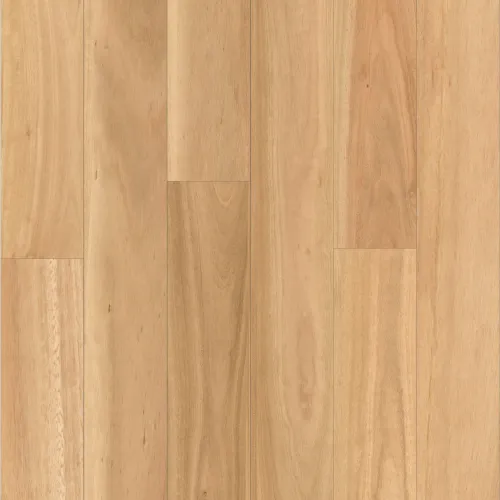
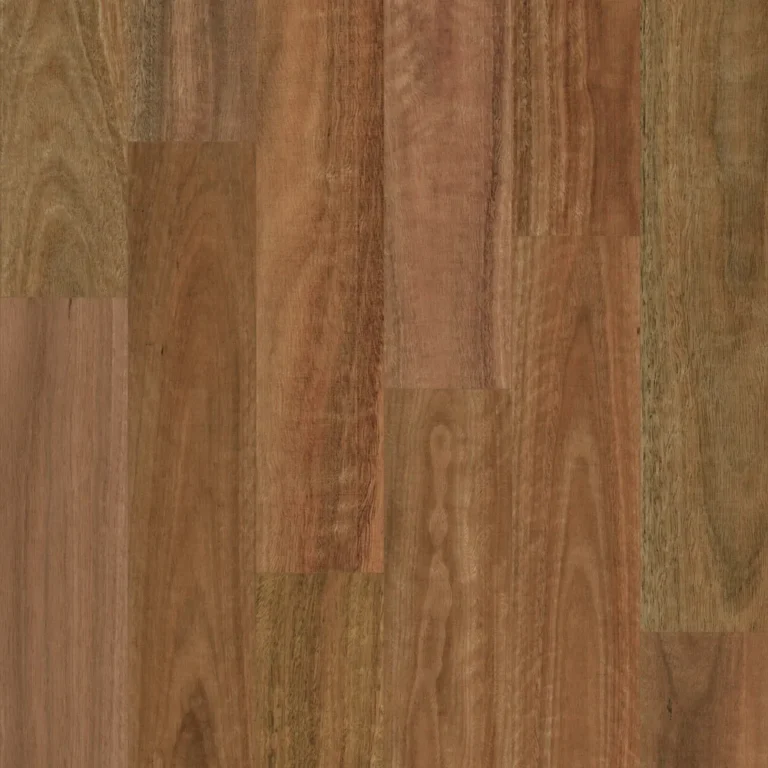
The right timber flooring colours depend on how much light a room gets, how big it is and what sits on the floor. Light tones make a room feel bigger and brighter, mid tones are the most forgiving for everyday living, and dark tones add depth but show dust more. Lighter natural oak and mid-tone Australian species such as Blackbutt and Spotted Gum are common choices in Australian homes.
This 2026 guide covers each tone, Australian species vs European Oak, and how to test colours at home. Browse every option in our timber flooring range.
Light, mid or dark: which timber floor colour suits your home?
Tone
Typical colours
Works well in
Good to know
Light
White washes, limed oak, pale natural oak, Blackbutt, Tasmanian Oak
Smaller rooms, darker rooms, coastal and Scandinavian styles
Hides dust and fine scratches; shows dark dirt and spills
Mid
Natural oak, honey and tan tones, Spotted Gum
Open-plan living, family homes, most styles
The most forgiving tone for daily wear
Dark
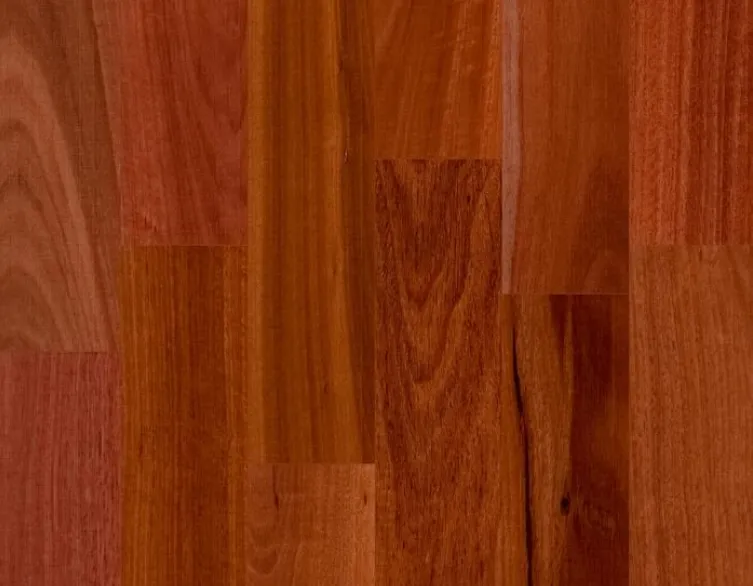
Smoked and deep brown oak, Jarrah
Large, bright rooms and formal spaces
Shows dust, pet hair and scratches more easily
Light timber floors
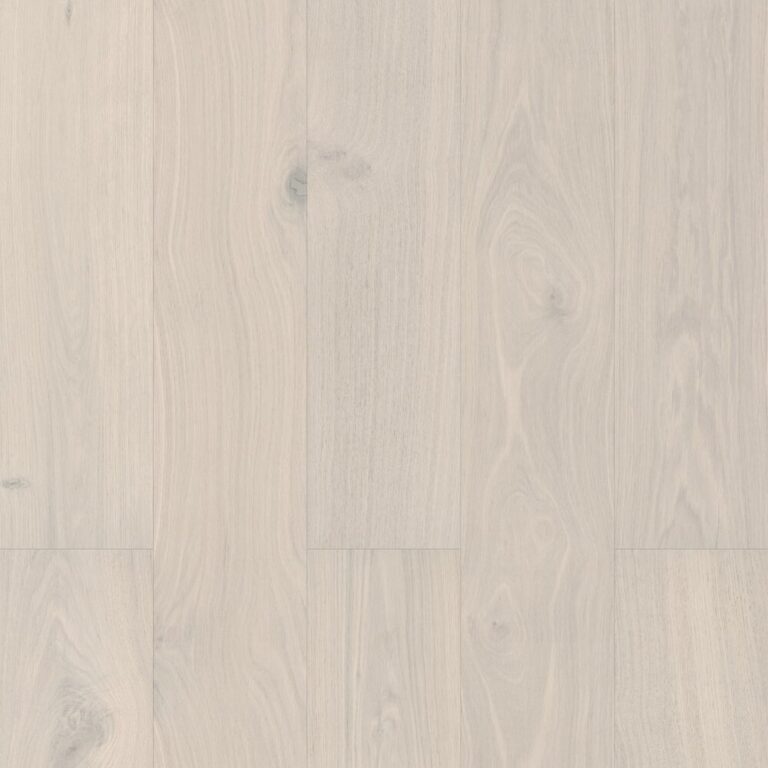
Pale floors bounce light around and make rooms feel larger. They suit smaller homes, rooms with little natural light and relaxed coastal looks. In European Oak Plank, look at Chantilly White, Casper White and Natural Limed. Royal 14/2mm Oak offers White Mist and Chamomile, and Royal 15/4MM Oak has Linen and Sandstone.
Mid-tone timber floors
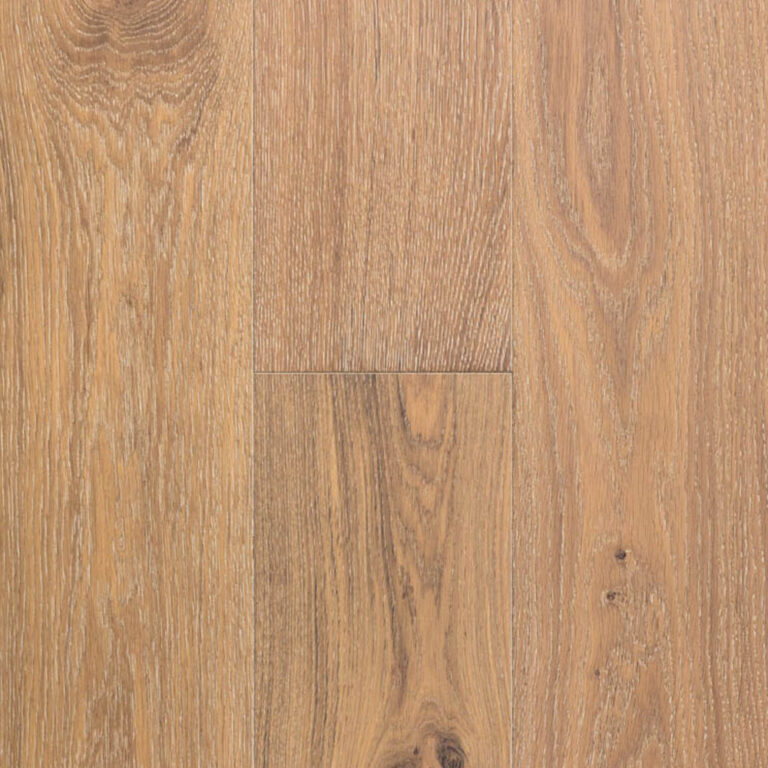
Mid tones sit between the extremes, so they work with most furniture and hide the everyday marks of kids and pets. Try Classic Oak and Fawn Oak in European Oak Plank, Natural in Royal 14/2mm Oak, or Pure Natural in Royal AquaCore Oak. Among Australian species, Spotted Gum sits here, and Blackbutt sits between light and mid, so it appears in both groups.
Dark timber floors
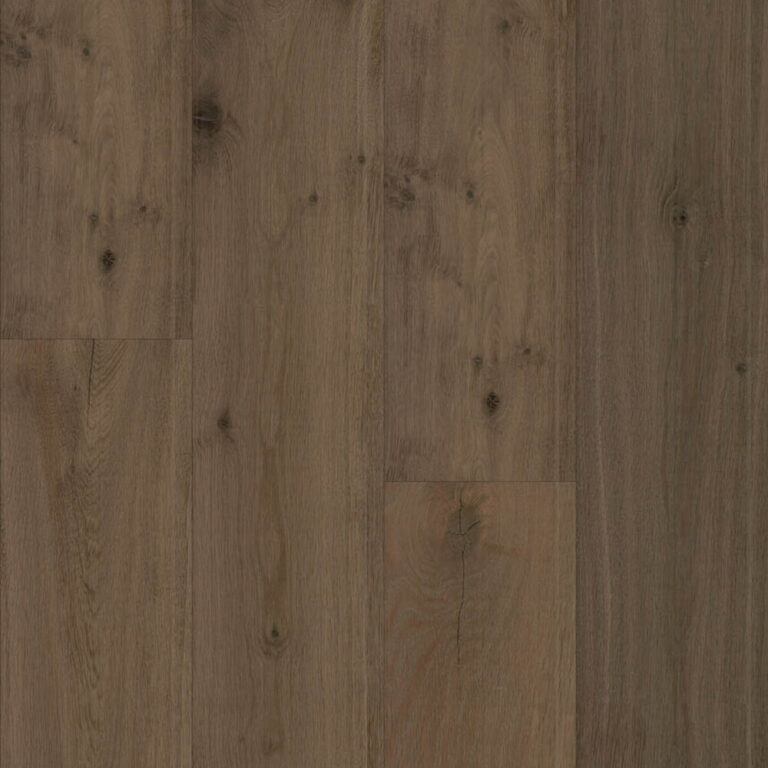
Dark floors feel rich and formal and suit large rooms with plenty of light. Expect to sweep more often, because dust and scratches show up more on a dark surface. Options include Smoked Brown, Antique Brown and Charred Oak in European Oak Plank, Mocha in Royal 14/2mm Oak, Chestnut Oak and Barnwood in Royal 15/4MM Oak, and Jarrah among the Australian species.
Australian species vs European Oak colours
Australian hardwoods show the natural colour of the timber itself. European Oak has a calmer grain and takes stains, washes and smoked finishes well, so it comes in a much wider spread of colours.
Australian species
Blackbutt: pale golden to light brown with a fairly even look.
Tasmanian Oak: pale straw to light pinkish brown.
Spotted Gum: a wide mix of light to dark browns in one floor, often with a wavy grain. Good at hiding wear.
Sydney Blue Gum: pink to red-brown tones.
Jarrah: deep red to rich red-brown.
Royal AquaCore Aussie Species gives you a real 2mm hardwood surface in Spotted Gum, Blackbutt, Jarrah or Sydney Blue Gum over a water-resistant core, with matte brushed versions of Spotted Gum and Blackbutt. Sidura 1 Strip offers Blackbutt and Spotted Gum in a matt or gloss finish, plus Tasmanian Oak Matt. Royal Aus Timber 14/3mm comes in Spotted Gum or Blackbutt, in long planks or herringbone blocks.
European Oak Plank comes in 39 colours across Natural, Prime and Select grades, from soft whites to deep browns and greys. The grade changes the look as much as the colour: Natural grade shows more knots and character. Ask to see Prime and Select boards side by side. Royal 14/2mm Oak runs from white washes to mocha in eight colours. Royal 15/4MM Oak has eight colours on a 4mm French Oak top layer. Royal AquaCore Oak offers ten colours, from Dove Grey and Pure Natural through to Chestnut and Rich Brown, on a water-resistant core.
Thinking about a pattern? European Oak also comes in herringbone and chevron. Our herringbone vs chevron flooring guide shows how each one changes the feel of a room.
How does light change timber floor colour?
North-facing rooms get the most sun in Australia. Floors look warmer and brighter, and very pale colours can look washed out at midday.
South-facing rooms get softer, cooler light. Warmer mid tones stop the room feeling cold.
Your light globes matter. Warm white globes push timber towards yellow and orange. Cool white globes make grey and limed floors look colder.
Sheen changes the look. A matt finish shows less glare and fewer marks. Gloss deepens the colour and reflects more light.
Timber changes over time. Natural timber mellows a little with sunlight over the years.
How do room size, cabinetry and furniture affect the choice?
Room size and layout
In small rooms, lighter colours with low contrast between boards help the space feel bigger. Laying boards along the longest wall helps too. In open-plan homes, one colour through the living, dining and kitchen keeps the space calm and connected, and mid tones are the easiest to live with across a large area.
Kitchen cabinetry and benchtops
Bring a cabinet door or benchtop sample when you choose. White cabinets on a very white floor can look flat, so a natural or mid-tone oak adds definition. Dark cabinets usually look best over a lighter or mid floor. Check the undertones as well: warm timber suits creamy whites and warm stone, and cooler limed or grey oak suits bright whites and grey stone.
Furniture, kids and pets
Trying to match timber furniture exactly rarely works. Pick a floor a few shades lighter or darker so each piece stands out. If you have kids or pets, a mid tone with visible grain hides scratches, crumbs and fur better than very light or very dark floors.
There is no single answer, but lighter natural oak and mid-tone Australian species such as Blackbutt and Spotted Gum are common choices. They suit most styles and hide everyday wear well.
What timber floor colour makes a room look bigger?
Lighter colours such as white-washed oak, pale natural oak, Blackbutt or Tasmanian Oak reflect more light and make a room feel larger. Low contrast between boards helps too.
Do dark timber floors show more dust and scratches?
Yes. Dust, pet hair and fine scratches show up more on dark floors, especially in strong sunlight. A mid tone with visible grain is the most forgiving.
Should timber flooring match my kitchen cabinets?
It works best when the floor contrasts with the cabinets and shares their undertone. For example, a natural or mid-tone oak adds definition under white cabinets.
Does timber flooring change colour over time?
Yes. Natural timber mellows with sunlight, so the colour shifts a little over the years. Moving rugs and furniture now and then helps the floor age evenly.
See timber colours in person
With over 20 years of experience, Royal Floors can help you choose a timber colour that suits your light and your lifestyle. Visit our timber displays in Penrith, Campbelltown, Hornsby or Logan, book a free measure and quote, or call us on 1300 980 501. Prefer a timber look with a waterproof core? Compare our hybrid flooring too.