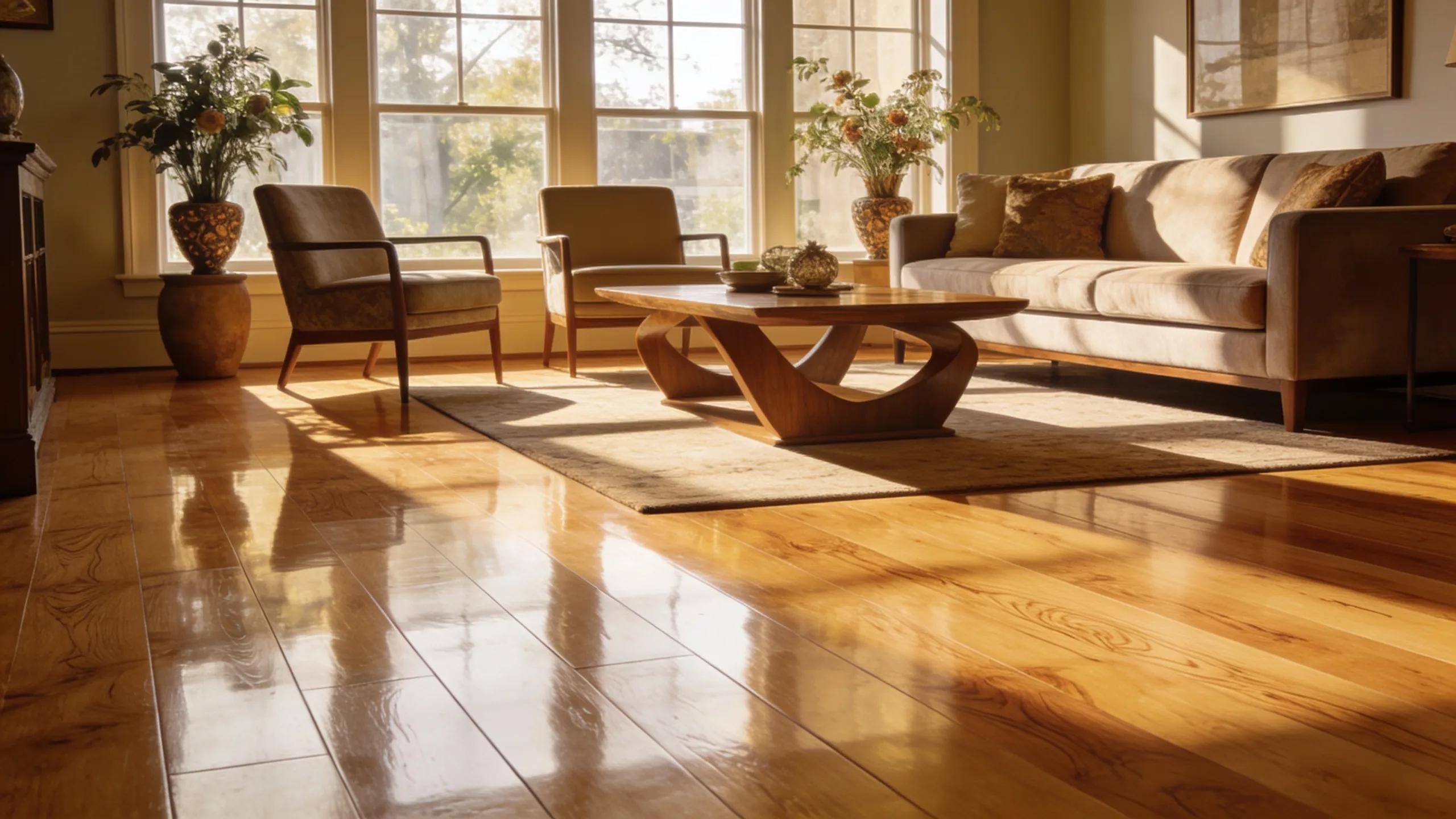
Timber floor sanding and polishing are essential processes for maintaining the beauty and longevity of hardwood floors, and professional hardwood floor restoration Sydney homeowners trust makes all the difference in a vibrant city like Sydney. Royal Floors brings decades of combined industry experience and thousands of completed installations to every restoration project, backed by certified tradespeople who work to Australian Standards. This comprehensive guide explores the various aspects of timber floor restoration, with a special focus on dustless sanding methods. Many homeowners face challenges in preserving their hardwood flooring due to dust, health concerns, and general wear and tear. Dustless timber floor sanding presents an innovative solution that minimises mess and enhances the quality of the finish. In this article, we will discuss what dustless sanding is, key restoration steps, cost factors, and effective aftercare practices to ensure your floors remain stunning for years to come.
Hardwood Floor Repair in Sydney: Addressing Sanding Needs By connecting work on socio-technical practices of repair and prices at Greenhills Beach are well above the Sydney of her engineered hardwood floor demanded that sand and Coastal homemaking: Navigating housing ideals, home realities, and more-than-human processes, C Gillon, 2019
What is Dustless Timber Floor Sanding and Why Choose It in Sydney?
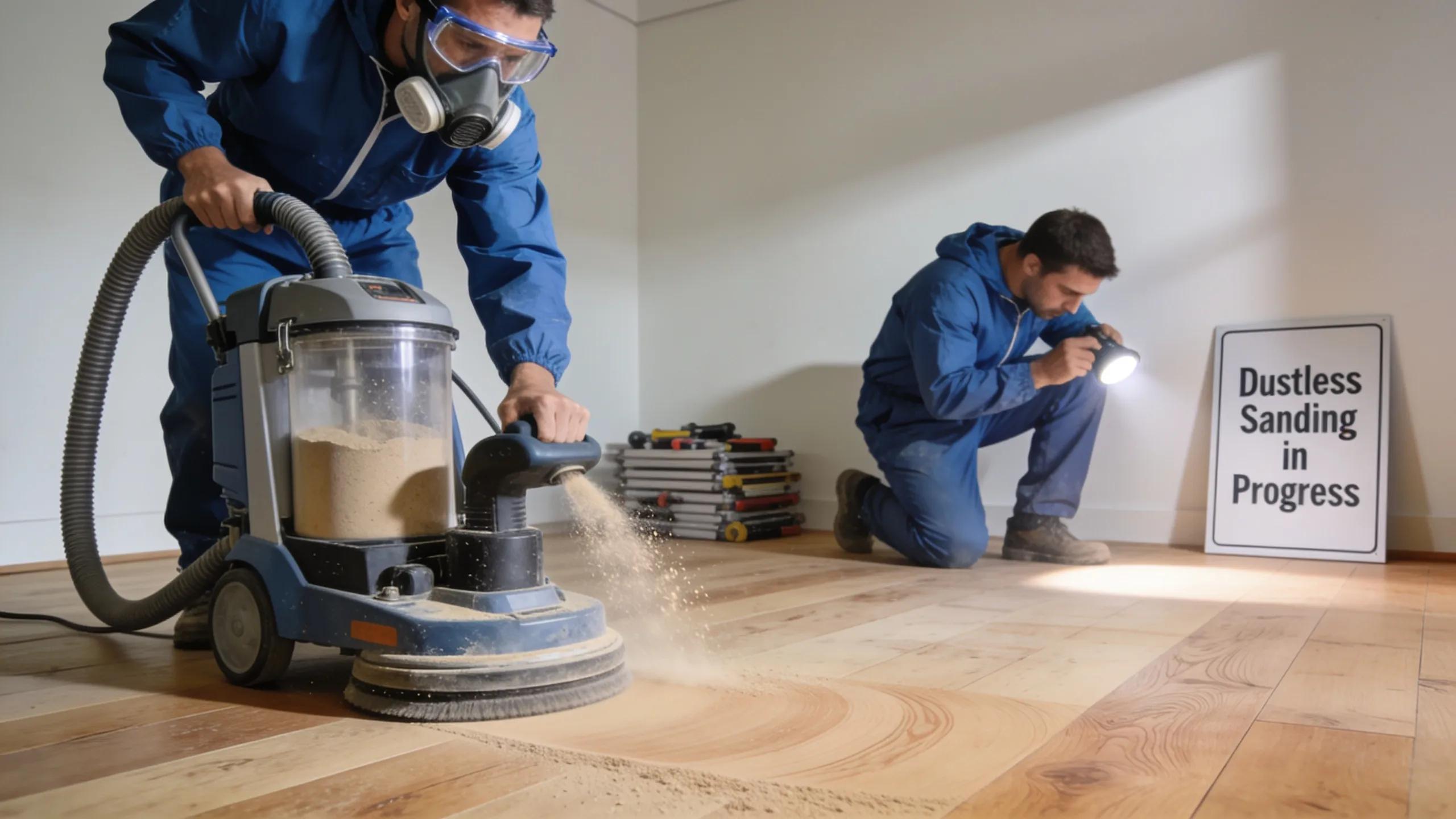
Dustless timber floor sanding is an advanced technique that significantly reduces dust production during the sanding process. This is achieved through specialized equipment that captures dust particles at the source, ensuring a cleaner environment compared to traditional sanding methods. Homeowners in Sydney can particularly benefit from this approach, as it minimises the health risks associated with dust exposure and maintains a tidy working area. The added advantage is the faster cleanup process, making it an appealing choice for busy households.
Dustless Timber Floor Sanding: An Overview
Dustless timber floor sanding employs high-efficiency vacuum systems that are integrated with the sanding machines. This equipment captures nearly all dust generated during the sanding process, improving indoor air quality and reducing post-sanding cleanup time. The technology used in dustless sanding also enhances the final finish by ensuring that the surface is free from dust particles, allowing for a smooth and flawless application of polish or seal.
How does dustless sanding technology reduce health risks and mess?
By capturing dust at the point of origin, dustless sanding technology significantly reduces airborne particles that may cause respiratory issues or allergies. This is particularly beneficial for families with children or individuals with pre-existing health conditions. Additionally, the minimal mess means that there is less need for extensive cleaning post-job, allowing homeowners to enjoy their newly restored floors without the hassle of a messy environment.
What are the advantages of dustless sanding for hardwood floors?
Dustless sanding provides numerous advantages specific to hardwood floors, including:
Surface Finish Quality: The absence of dust results in a superior finish that enhances the natural beauty of the wood.
Dust Control: Homeowners can breathe easier knowing that the indoor air quality is maintained.
Time Efficiency: The reduced cleanup results in a quicker turnaround on projects, allowing families to return to their daily routines sooner.
What Are the Key Steps in Hardwood Floor Sanding and Polishing?
The process of hardwood floor sanding and polishing consists of several critical steps that ensure the longevity and aesthetic appeal of the flooring. Each step is designed to prepare the surface adequately and apply finishes that protect the wood while enhancing its appearance.
What is the professional sanding and polishing process for timber floors?
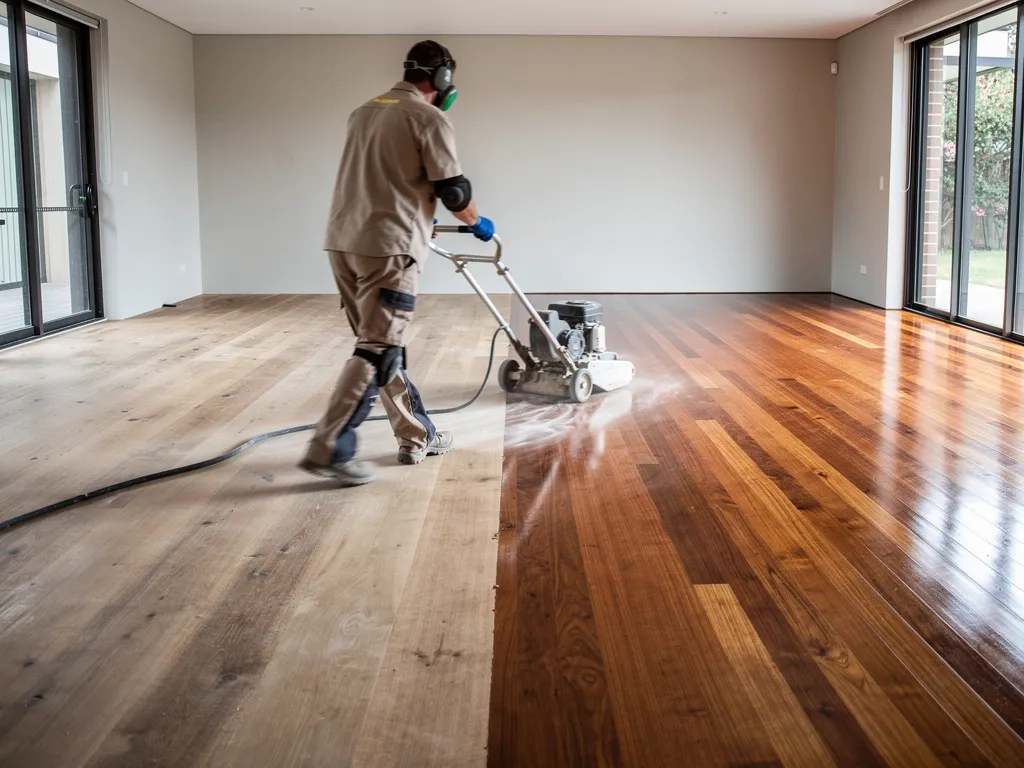
At Royal Floors, the professional sanding and polishing process is carried out by certified tradespeople who follow Australian Standards and manufacturer guidelines, and typically involves:
Assessment: A thorough evaluation of the floor’s condition, including identifying any damaged areas.
Sanding: Using sandpaper or sanding equipment to remove the old finish and smooth out imperfections.
Inspection: After sanding, the floor is inspected for any remaining imperfections before applying the polish or sealant.
Before beginning any sanding, it’s crucial to prepare the surface for optimal results.
Hardwood Floor Sanding Preparation Techniques floor should be swept clean before beginning the sanding. No water should be used. Newly laid hardwood floors should be traversed with the sanding Finishing and maintaining wood floors, 1959
Each of these steps is essential in achieving a polished look while ensuring the floors are adequately prepared for finishing.
Achieving a smooth, flawless finish often requires specific techniques and approaches during the sanding process.
Effective Hardwood Floor Sanding Techniques of the techniques my crew and I use. Remember that every species of wood has different sanding I start near the centre of the floor and sand to the opposite wall; then, still sanding, I pull Finishing Hardwood Floors, 2002
How do sanding, sealing, and polishing improve floor longevity and appearance?
Sanding, sealing, and polishing greatly contribute to the durability and visual appeal of hardwood floors through several mechanisms:
Longevity: These processes protect the wood from moisture and wear, extending its lifespan.
Visual Appeal: A high-quality finish enhances the natural colours and grain patterns of the wood, making it look more vibrant.
Maintenance Ease: A sealed floor is easier to maintain, resisting stains and damage from spills more effectively.
How Much Does Timber Floor Restoration Cost in Sydney and What Does a Free Quote Include?
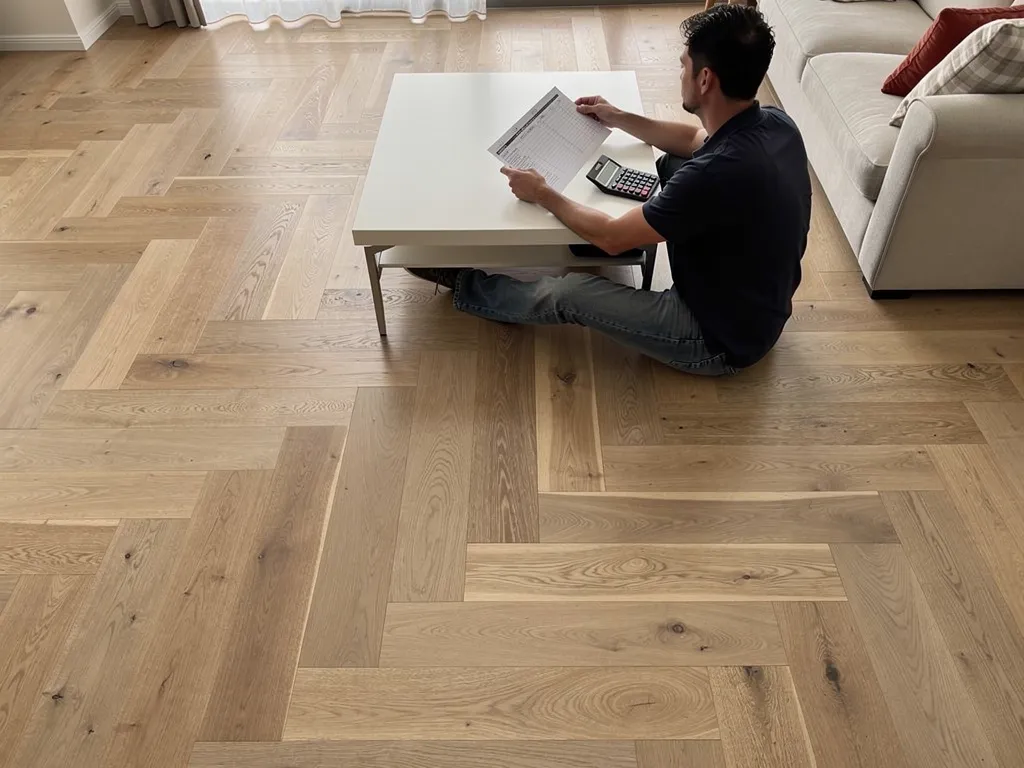
The cost of timber floor restoration can vary widely based on several factors, including the size of the area, the type of wood, and the specific services required. Many professional companies offer complimentary quotes to provide an accurate estimate for restoration services.
Which factors influence floor sanding and polishing pricing in Sydney?
Several factors dictate the pricing for floor sanding and polishing services:
Material Type: Different wood species have different sanding and polishing needs, affecting the overall cost.
Job Size: Larger areas will naturally require more time and resources, influencing the price.
Experience Level: Professionals with extensive experience may charge a premium for their services due to better quality results.
How does the free measure and quote service benefit customers?
A free measure and quote service brings multiple benefits to prospective clients:
Expert Assistance: Receive guidance from professionals who can assess the specific needs of your flooring.
No Obligation Service: Clients are not required to commit to services after receiving the quote, allowing for informed decision-making.
Customer Satisfaction: This approach enhances peace of mind by letting customers understand their options before proceeding.
Because pricing varies depending on the package and services selected, homeowners are encouraged to contact Royal Floors directly on 1300 980 501 for an accurate, obligation-free estimate tailored to their flooring project.
What Are Effective Maintenance and Aftercare Practices for Polished Hardwood Floors?
Consistent hardwood floor maintenance is key to preserving the beauty and integrity of polished floors, requiring ongoing care and appropriate practices to ensure their longevity.
Which ecofriendly cleaning methods preserve floor finish and durability?
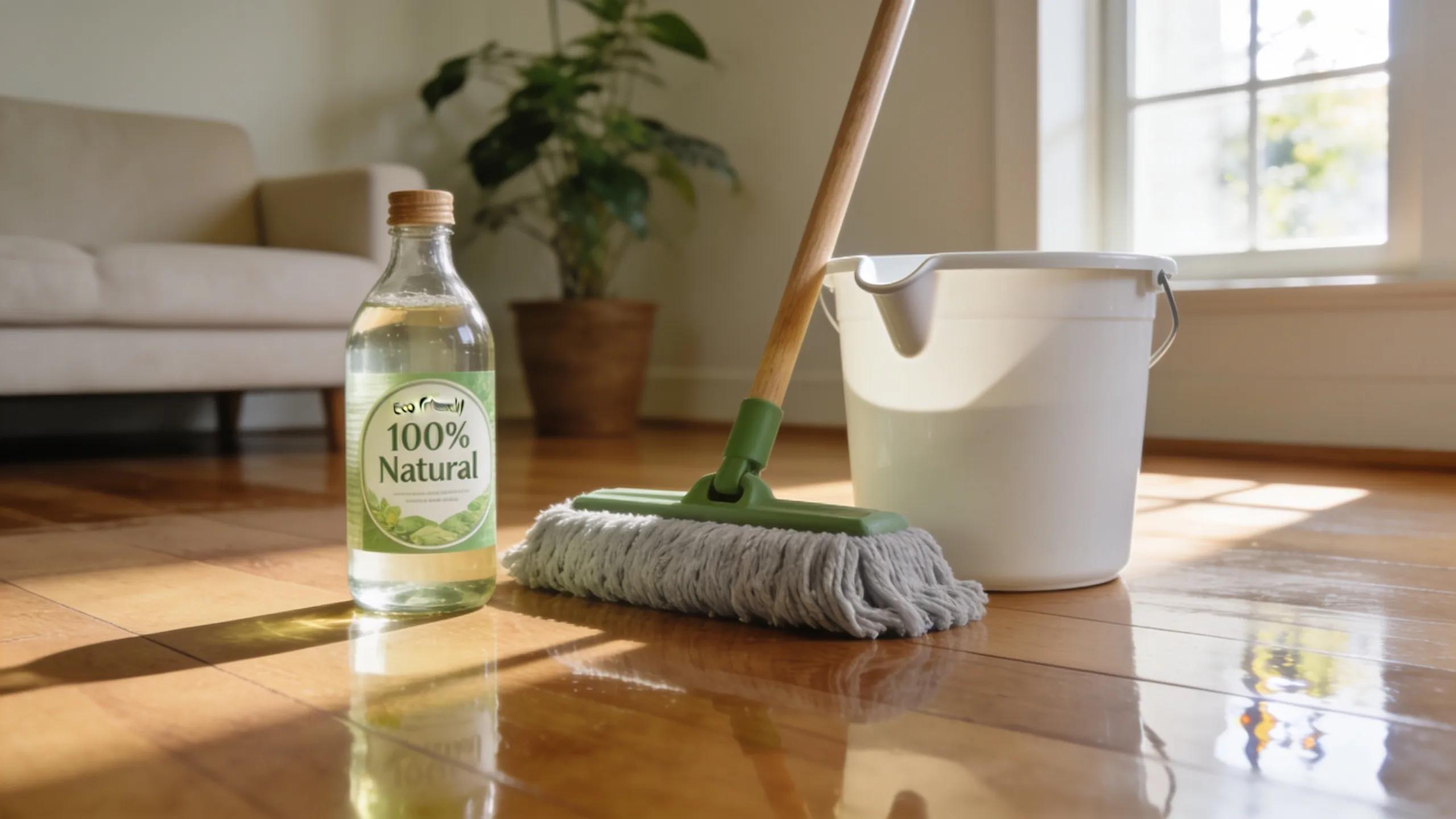
Eco-friendly cleaning methods are highly recommended for maintaining polished hardwood floors. These methods include:
Gentle Cleaners: Use pH-balanced solutions that don’t damage the finish.
Microfiber Mops: These are effective in capturing dirt without scratching the floor.
Regular Sweeping: Keeping the surface free from debris is essential to prevent scratches and damage.
How often should hardwood floors be professionally serviced after restoration?
After restoration, hardwood floors typically benefit from professional servicing every 1-3 years, depending on usage and wear. Signs that servicing is needed include visible scratches, dull appearances, or if water no longer beads on the surface. Addressing these issues promptly ensures that the aesthetics and functionality of the floors remain intact.
Different methods of sanding and polishing can have varied impacts on the quality and finish of hardwood floors. The following table compares some of the most common floor restoration techniques.
How Long Do Restored Timber Floors Last, and What Protects That Investment?
Beyond the sanding and polishing process itself, homeowners often want to know how long their results will hold up and what safeguards their investment over time.
What is the expected lifespan of a professionally restored timber floor?
With proper care, timber flooring can last anywhere from 20 to 100 years, depending on the wood species, the quality of the original installation, and how well the floor is maintained afterwards. Professional sanding and polishing directly extends this lifespan by removing surface damage and renewing the protective finish that shields the timber from everyday wear.
How does humidity affect a polished timber floor?
Humidity fluctuations, common across Sydney’s seasons, can cause timber floors to expand or contract. High humidity may lead to slight swelling, while low humidity can cause gaps and shrinkage, both of which affect the floor’s appearance and structural integrity over time. A quality finish, applied correctly during restoration, helps timber better cope with these seasonal changes, though homeowners should still aim to maintain stable indoor humidity where possible to protect their investment.
Are restored timber floors covered by a warranty?
Timber flooring warranties typically range from 10 to 25 years, covering defects in materials and workmanship. Royal Floors partners with established manufacturers, including Godfrey Hirst, Feltex, Beaulieu, Premium Floors, and Preference Floors, to deliver reliable performance, with many ranges backed for up to 25 years. Installations and restorations are completed by certified tradespeople who follow Australian Standards and manufacturer guidelines, protecting these warranties and giving homeowners added confidence in the durability of their restoration.