Timber Flooring Penrith: Expert Guide to Engineered and Solid Hardwood Solutions
Timber flooring is a popular choice for homeowners and businesses alike, offering both aesthetic appeal and durability. In Penrith, the options for timber flooring include engineered and solid hardwood, each with unique characteristics and benefits. This guide will explore the differences between these two types of flooring, helping you make an informed decision for your space. Many individuals face challenges in selecting the right flooring that balances style, functionality, and budget. Understanding the features and advantages of engineered and solid hardwood flooring can simplify this process. We will cover the characteristics, benefits, installation processes, maintenance requirements, and pricing comparisons of both flooring types.
Expert Guide on Timber Flooring in Penrith: Engineered vs. Solid Hardwood
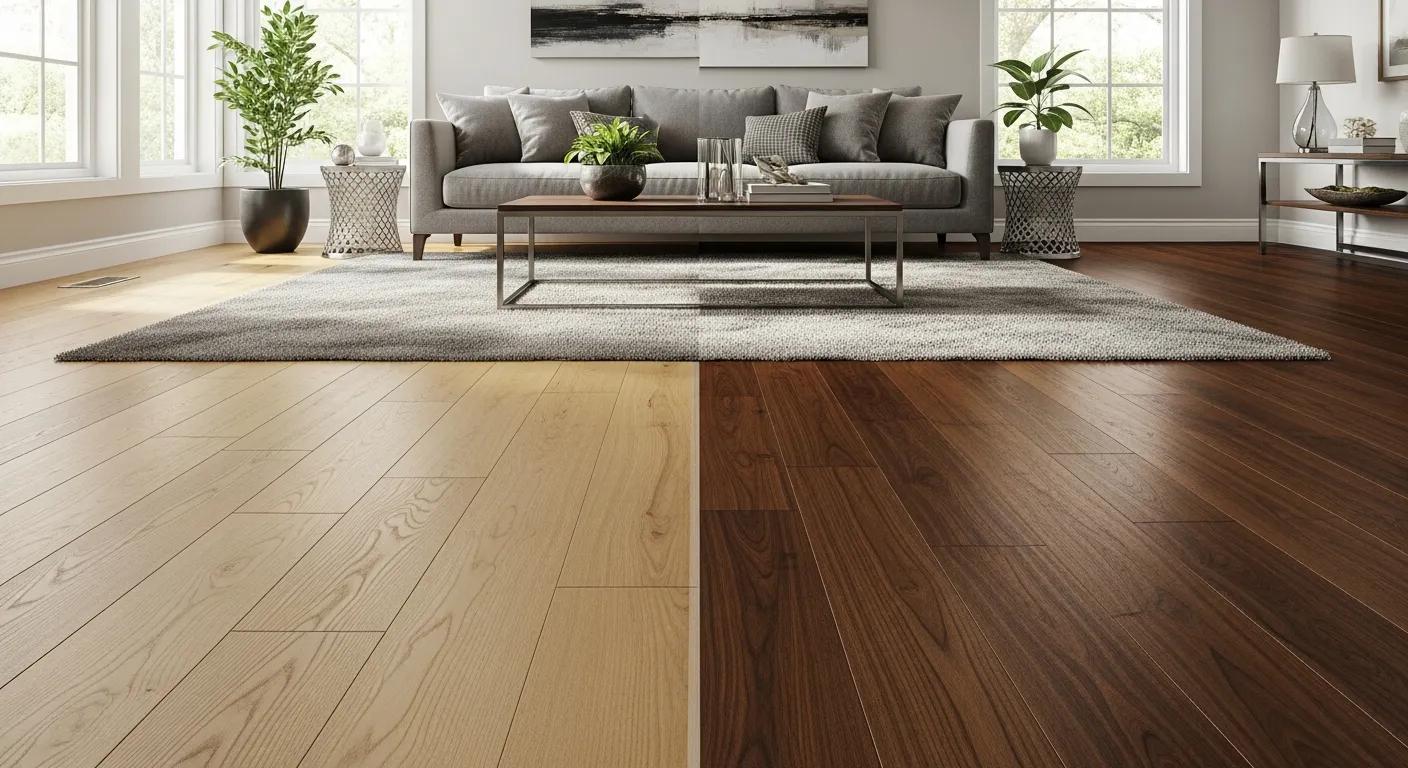
When considering timber flooring in Penrith, it’s essential to understand the distinctions between engineered and solid hardwood. Engineered timber flooring consists of multiple layers of wood, providing enhanced stability and moisture resistance. In contrast, solid hardwood is made from a single piece of timber, offering a classic and authentic look. Each type has its unique advantages, making them suitable for different applications and preferences.
Further research delves into the manufacturing processes and life cycle of these distinct flooring types.
Engineered vs. Solid Wood Flooring Comparison
Our study surveyed five engineered wood flooring manufacturers in the eastern US and compared the results with those of solid strip wood flooring.
Life cycle inventory of manufacturing prefinished engineered wood flooring in eastern US with comparison to solid strip wood flooring, RD Bergman, 2011
Characteristics
Understanding the characteristics of both solid hardwood and engineered timber flooring is crucial for making an informed choice.
Solid Hardwood Flooring:
Solid hardwood flooring is known for its authentic look and feel, crafted from a single piece of timber. This type of flooring is highly durable and can be refinished multiple times, extending its lifespan significantly. The natural grain patterns and colors of solid hardwood add warmth and elegance to any space, making it a timeless choice for homeowners.
Engineered Timber Flooring:
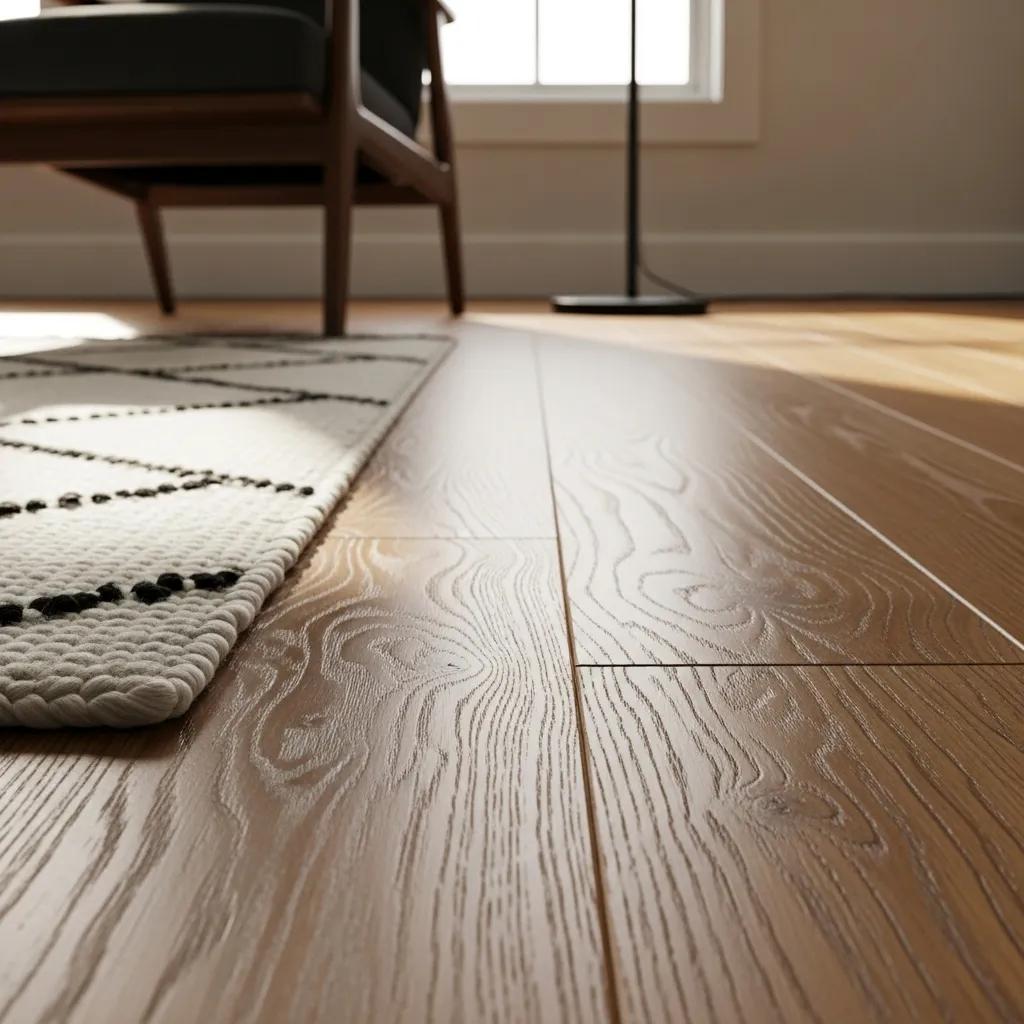
Engineered timber flooring features a layered construction, typically consisting of a hardwood veneer on top of multiple plywood layers. This design provides excellent dimensional stability, making it less susceptible to warping and moisture damage. Engineered timber is versatile in design, available in various finishes and styles, allowing homeowners to achieve the desired aesthetic without compromising on performance.
Studies have also explored the performance of engineered hardwood, particularly concerning species selection and the limitations of traditional hardness tests.
Engineered Hardwood Performance & Species Selection
The use of short-rotation hardwood plantation species has been perceived to be unsuitable for flooring until recently, due to the lower densities. This study assesses the performance of a low-density plantation hardwood species, Eucalyptus nitens in engineered flooring applications. The selection of a suitable timber species for flooring has conventionally been based on its market acceptance or value and on its hardness to ensure minimal indentations or damages. While both of these reasons have determined flooring species selection, this is becoming more difficult as popular species are less available due to increasing flooring demand and the diminishing supply of native timbers due to government regulations on harvesting and conservation. Typically, the species hardness is determined by static tests in the laboratory. Although these tests can compare species hardness, they might not reliably indicate an end product’s performance, especially with engineered flooring.
Engineered flooring from low-density plantation hardwood: Evaluation of long-term in-service trials, KP Millaniyage, 2024
Benefits
Both solid hardwood and engineered timber flooring offer distinct benefits that cater to different needs and preferences.
Solid Hardwood:
Exceptional Durability: Solid hardwood is renowned for its strength and longevity, making it a worthwhile investment for any home.
Aesthetic Appeal: The natural beauty of solid hardwood enhances the overall ambiance of a room, adding value to the property.
Refinishing Options: Homeowners can refinish solid hardwood floors multiple times, allowing for a fresh look over the years.
Engineered Timber:
Moisture Resistance: Engineered timber is designed to withstand fluctuations in humidity, making it ideal for areas prone to moisture.
Easier Installation: Many engineered timber products feature click-lock systems, simplifying the installation process for DIY enthusiasts.
Cost-Effectiveness: Generally, engineered timber is more affordable than solid hardwood, providing a budget-friendly option without sacrificing quality.
Royal Floors specializes in providing high-quality timber flooring solutions, including both engineered and solid hardwood options tailored for residential and commercial clients. Their expert installation services ensure a seamless customer journey from selection to installation.
Installation Processes
The installation process for timber flooring varies between solid hardwood and engineered timber, each requiring specific considerations.
Solid Hardwood:
Installing solid hardwood flooring typically requires professional installation due to the need for acclimation to the environment. This process ensures that the wood adjusts to the room’s temperature and humidity before installation, preventing future warping or buckling. Professional installers are essential to ensure the correct techniques are used, maximizing the flooring’s lifespan.
Engineered Timber:
Engineered timber flooring is often easier to install, with many products featuring user-friendly click-lock systems. This allows for a floating installation method, which can be completed without glue or nails. Additionally, Royal Floors offers a free measure and quote service, helping customers determine the best approach for their specific needs.
Maintenance Requirements
Maintaining timber flooring is crucial for preserving its beauty and functionality over time.
Indeed, the long-term environmental and economic impacts of flooring are significantly influenced by ongoing maintenance procedures.
Maintenance procedures may account for a significant portion of environmental and economic impacts of floorings. In the case of environmental scores, adding high maintenance to the life cycle can increase scores by anywhere from 31 % (hardwood) to 114 % (carpet). A sensitivity analysis of these scores shows that most of the score increase can be attributed to vacuuming. Maintenance costs considerably increase the total cost, accounting for 49 % of hardwood’s total cost and about 30 % of costs for linoleum, vinyl, and carpet. The expected service life of the home greatly influences which flooring is best, as costs and environmental scores change dynamically over time.
Impact of maintenance on life cycle impact and cost assessment for residential flooring options, 2015
Solid Hardwood:
Regular Cleaning: Solid hardwood floors require regular sweeping or vacuuming to remove dirt and debris.
Refinishing Frequency: Depending on foot traffic, refinishing may be needed every 5-7 years to maintain the floor’s appearance.
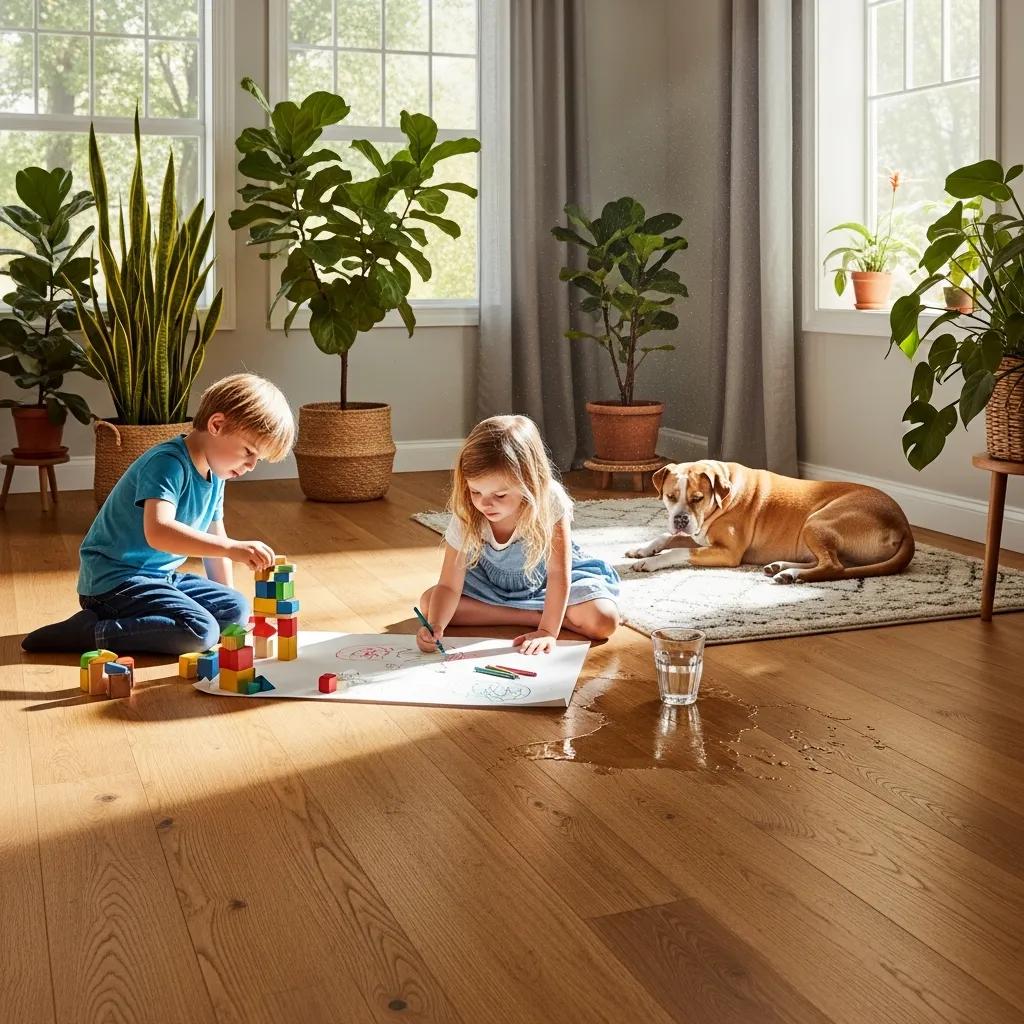
Avoiding Water Damage: It’s essential to promptly clean spills to prevent water damage and warping.
Engineered Timber:
Less Frequent Refinishing: Engineered timber typically requires less frequent refinishing due to its durable surface.
Scratch Resistance: Many engineered products come with a protective finish that enhances scratch resistance, making them suitable for high-traffic areas.
Simple Cleaning: Regular cleaning with a damp mop is sufficient to maintain the appearance of engineered timber floors.
Pricing Comparison
When considering timber flooring options, pricing is a significant factor. Below is a comparison of the costs associated with solid hardwood and engineered timber flooring.
Flooring Type
Average Cost per Square Meter
Installation Cost
Longevity
Solid Hardwood
$80 – $150
$30 – $50
50+ years
Engineered Timber
$50 – $100
$20 – $40
30 years
This table illustrates the cost differences between solid hardwood and engineered timber, highlighting the affordability of engineered options while still providing quality and durability.
Conclusion
Choosing the right timber flooring for your home or business in Penrith involves understanding the unique characteristics and benefits of both engineered and solid hardwood options. Solid hardwood offers timeless beauty and durability, while engineered timber provides versatility and moisture resistance. By considering your specific needs and preferences, you can make an informed decision that enhances your space for years to come.