Durable Carpeting Solutions for High-Traffic Rental Homes
May 27, 2026
Durable Carpeting Solutions for High-Traffic Rental Homes: Expert Installation and Material Selection
In the realm of rental properties, selecting the right carpeting is crucial for both aesthetic appeal and durability. High-traffic areas demand flooring solutions that can withstand wear and tear while maintaining their appearance. This article delves into durable carpeting solutions specifically designed for high-traffic rental homes, focusing on expert installation techniques and material selection. Readers will learn about the best carpet materials, installation processes, and maintenance practices that can extend the life of carpets in rental properties. By addressing common challenges faced by landlords and property managers, this guide aims to provide actionable insights for making informed decisions. Key sections include expert installation techniques, criteria for selecting carpet materials, and recommendations for enhancing durability and aesthetic appeal.
Expert Installation Techniques
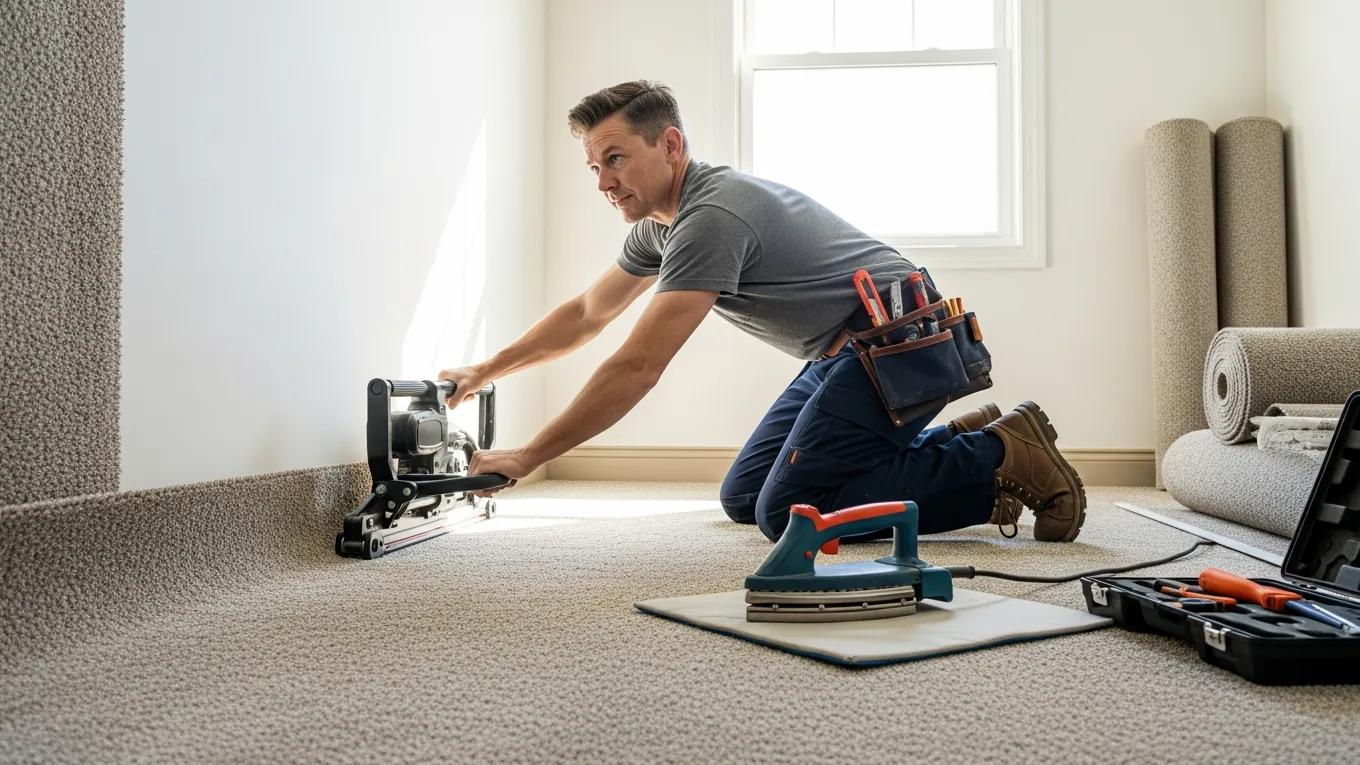
Professional carpet installation is essential for ensuring the longevity and performance of flooring in high-traffic rental homes. Skilled installers understand the nuances of preparing subfloors and selecting appropriate installation methods that enhance durability. Proper installation minimizes issues such as wrinkling, buckling, and premature wear, which can be particularly detrimental in rental properties where tenant turnover is frequent.
Investing in expert installation not only guarantees a better fit but also optimizes the carpet’s performance over time. For those looking to enhance their rental properties, Royal Floors offers professional carpet installation services tailored to meet the specific needs of residential and commercial properties.
Criteria for Selecting Carpet Materials
When choosing carpet materials for high-traffic rental homes, several key criteria should be considered to ensure durability and ease of maintenance. These criteria include:
Durability: Select materials that can withstand heavy foot traffic without showing signs of wear.
Stain Resistance: Opt for carpets with built-in stain-resistant features to maintain a clean appearance.
Maintenance Requirements: Consider the upkeep needed for different materials, as some may require more frequent cleaning than others.
To assist in making informed choices, here is a comparison of various carpet types based on their durability and stain resistance:
Carpet Type
Durability
Stain Resistance
Nylon Carpets
High
Excellent
Polyester Carpets
Moderate
Good
Wool Carpets
High
Moderate
Booking a free measure and quote with Royal Floors can help landlords and property managers assess their specific needs and find the best carpet solutions for their rental properties.
Recommendations for Enhancing Durability and Aesthetic Appeal
To maintain both the durability and aesthetic appeal of carpets in rental homes, consider the following recommendations:
Regular Maintenance Practices: Implement a routine cleaning schedule to prevent dirt buildup and prolong carpet life.
Protective Measures: Use area rugs in high-traffic zones to protect the underlying carpet.
Quality Padding: Invest in high-quality carpet padding to enhance comfort and extend the life of the carpet.
These practices not only improve the longevity of the flooring but also contribute to a more inviting atmosphere for tenants.
What Are the Best Carpet Materials for High-Traffic Rental Properties?
When it comes to high-traffic rental properties, certain carpet materials stand out for their durability and performance. The best options include:
Nylon Carpets: Known for their resilience and stain resistance, nylon carpets are an excellent choice for busy households.
Polyester Carpets: While slightly less durable than nylon, polyester offers good stain resistance and is often more affordable.
Wool Carpets: Although more expensive, wool carpets provide natural durability and a luxurious feel, making them suitable for upscale rental properties.
These materials not only withstand heavy use but also maintain their appearance over time, making them ideal for rental environments.
Durable Carpet Solutions for High-Traffic Rental Homes
Nylon and polyester carpets are two popular choices for rental properties, each with distinct advantages. Nylon vs polyester carpets
Nylon Carpets: Renowned for their exceptional durability, nylon carpets can handle heavy foot traffic without losing their shape or color. They also feature excellent stain resistance, making them easy to clean and maintain.
Polyester Carpets: While polyester carpets are generally less durable than nylon, they offer good stain resistance and are often more budget-friendly. They are a suitable option for properties with lower traffic levels or where cost is a significant factor.
Understanding these differences can help property managers choose the right carpet type based on their specific needs and tenant demographics.
What Are the Advantages of Wool Carpets for Rental Flooring?
Wool carpets present several advantages for rental flooring, particularly in high-end properties.
Durability and Lifespan: Wool is naturally resilient, providing a long lifespan even in high-traffic areas. Its fibers can bounce back from compression, maintaining a fresh appearance.
Comfort and Insulation: Wool carpets offer superior comfort underfoot and provide excellent insulation, helping to regulate temperature and reduce energy costs.
Sustainability Aspects: As a natural fiber, wool is biodegradable and environmentally friendly, appealing to eco-conscious tenants.
These benefits make wool carpets a compelling choice for landlords looking to enhance the appeal of their rental properties.
How Does Professional Carpet Installation Enhance Rental Property Flooring?
Professional carpet installation significantly impacts the quality and longevity of flooring in rental properties.
Quality Assurance: Skilled installers ensure that carpets are laid correctly, reducing the risk of issues such as wrinkling or uneven surfaces.
Minimized Installation Issues: Professional installation minimizes the likelihood of problems arising during the carpet’s lifespan, such as seams coming apart or edges fraying.
Cost-Effectiveness: While there is an upfront cost for professional installation, the long-term savings from reduced maintenance and replacement needs can be substantial.
Choosing Royal Floors for carpet installation guarantees a high standard of workmanship, ensuring that rental properties look their best for tenants.
What Is the Carpet Installation Process for High-Traffic Rental Homes?
The carpet installation process for high-traffic rental homes involves several key steps:
Assessment of Space: Evaluating the area to determine the best carpet type and installation method.
Selection of Carpet Type: Choosing a carpet that meets the durability and aesthetic needs of the property.
Professional Measurement: Accurate measurements ensure that the right amount of carpet is ordered, minimizing waste.
Following these steps helps ensure a successful installation that meets the demands of high-traffic environments.
Why Choose Expert Installation Services from Royal Floors?
Opting for expert installation services from Royal Floors offers numerous benefits for landlords and property managers.
Quality Assurance: Royal Floors guarantees high-quality workmanship, ensuring that carpets are installed correctly and efficiently.
Minimized Issues: Professional installation reduces the risk of common problems, such as improper fitting or premature wear.
Customer Satisfaction: With a focus on meeting client needs, Royal Floors aims to provide a seamless experience from consultation to installation.
By choosing Royal Floors, property owners can enhance the value and appeal of their rental properties through expert flooring solutions.
What Maintenance Practices Extend the Life of Carpets in Rental Homes?
To extend the life of carpets in rental homes, landlords should implement effective maintenance practices, including:
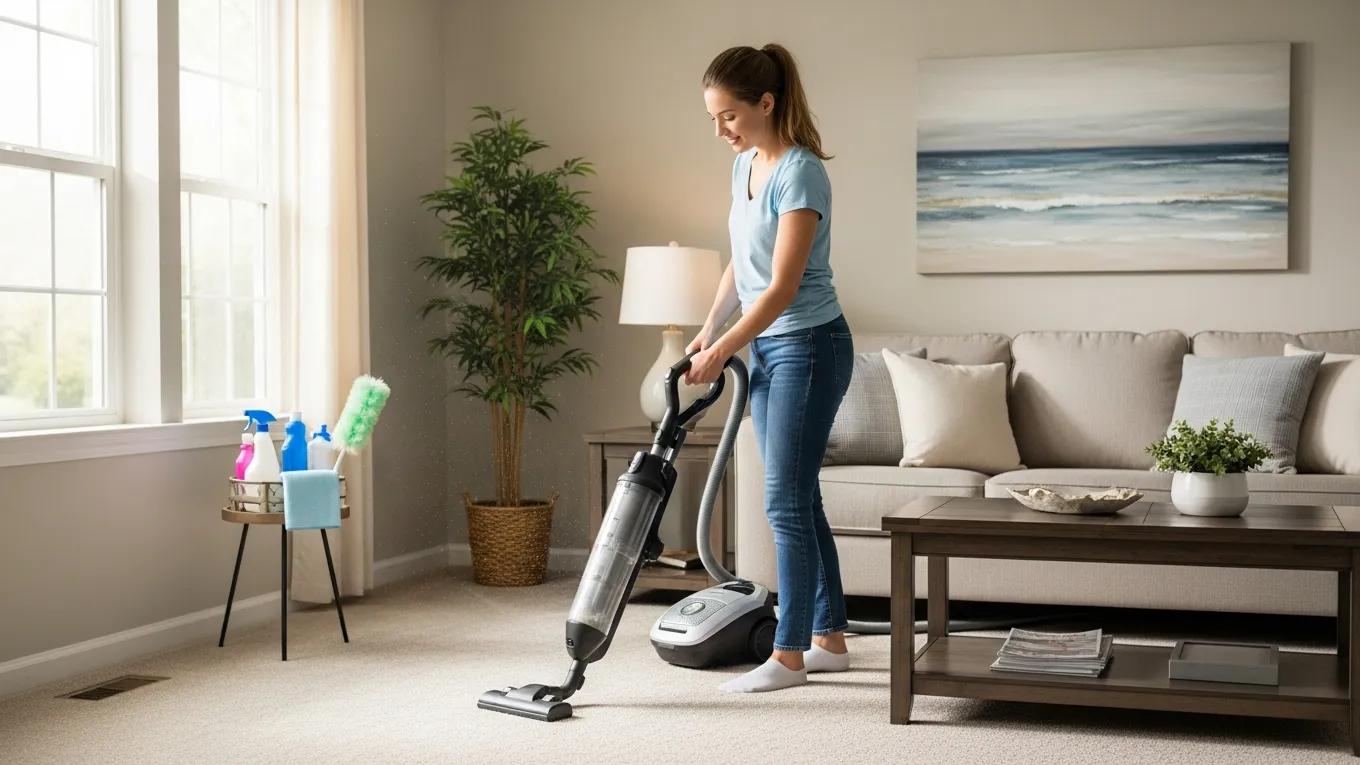
Regular Cleaning: Schedule routine vacuuming and professional cleaning to remove dirt and allergens.
Protective Measures: Encourage tenants to use mats at entrances to reduce dirt tracked into the home.
Educating Tenants: Provide tenants with guidelines on how to care for carpets, including prompt spill management.
These practices not only prolong the life of the carpets but also contribute to a healthier living environment for tenants.
Which Cleaning Techniques Are Effective for Stain Resistant Carpets?
Effective cleaning techniques for stain-resistant carpets include:
Regular Vacuuming: Frequent vacuuming helps remove dirt and debris that can wear down carpet fibers.
Prompt Spill Management: Address spills immediately with appropriate cleaning solutions to prevent stains from setting.
Deep Cleaning: Schedule professional deep cleaning at least once a year to maintain the carpet’s appearance and hygiene.
Implementing these techniques ensures that carpets remain in good condition, enhancing the overall appeal of rental properties.
How Can Regular Maintenance Reduce Replacement Costs?
Regular maintenance plays a crucial role in reducing carpet replacement costs.
Cost-Saving Strategies: By investing in routine cleaning and care, landlords can avoid the need for premature carpet replacement.
Importance of Quality Carpets: Choosing high-quality carpets that are well-maintained can significantly extend their lifespan, providing better value over time.
Maintenance Plan Benefits: Establishing a clear maintenance plan helps ensure that carpets are cared for properly, minimizing long-term costs.
By prioritizing maintenance, property owners can protect their investments and enhance tenant satisfaction.
Research further emphasizes the significant financial impact of maintenance on the overall life cycle costs of carpeting.
Impact of Maintenance on Residential Carpet Life Cycle Costs
Maintenance procedures may account for a significant portion of environmental and economic impacts of floorings. In the case of environmental scores, adding high maintenance to the life cycle can increase scores by anywhere from 31 % (hardwood) to 114 % (carpet). A sensitivity analysis of these scores shows that most of the score increase can be attributed to vacuuming. Maintenance costs considerably increase the total cost, accounting for 49 % of hardwood’s total cost and about 30 % of costs for linoleum, vinyl, and carpet.
Impact of maintenance on life cycle impact and cost assessment for residential flooring options, 2015
What Are the Cost and Warranty Options for Durable Carpeting in Rentals?
Understanding the cost and warranty options for durable carpeting in rentals is essential for making informed decisions.
Pricing Variations: Costs can vary significantly based on carpet type, quality, and installation methods. It’s important to compare options to find the best fit for your budget.
Warranty Coverage Details: Many carpet manufacturers offer warranties that cover defects and wear, providing peace of mind for property owners.
Conditions for Warranty Claims: Familiarize yourself with the conditions required to make warranty claims, as proper maintenance may be necessary to keep warranties valid.
By considering these factors, landlords can make strategic choices that align with their financial goals.
How Do Pricing Structures Vary for Different Carpet Materials and Installation?
Pricing structures for carpet materials and installation can vary widely based on several factors:
Cost Differences Between Materials: Nylon carpets tend to be more expensive than polyester due to their superior durability and performance.
Installation Cost Factors: Professional installation costs can also vary based on the complexity of the job and the region.
Understanding these pricing structures helps landlords budget effectively for their flooring needs.
What Warranty Coverage Is Available for Rental Property Carpets?
Warranty coverage for rental property carpets typically includes:
Types of Warranties: Many manufacturers offer limited warranties that cover defects in materials and workmanship.
Conditions for Claims: To maintain warranty coverage, landlords must adhere to specific maintenance guidelines and provide proof of purchase.
Being aware of warranty options can help property owners protect their investments and ensure long-term satisfaction with their flooring choices.
Selecting the appropriate carpet for rental homes is paramount to balancing tenant satisfaction with long-term cost-effectiveness. High-traffic areas within rental properties demand materials that can withstand constant use without showing premature wear and tear. This involves considering factors like fiber type, pile construction, and density to ensure the carpet remains both aesthetically pleasing and functional throughout its lifespan.
Key considerations for rental property carpeting include durability, stain resistance, ease of cleaning, and cost. Materials like nylon and polyester are often favored for their resilience and affordability, making them practical choices for landlords. Understanding the specific demands of each rental unit, such as the presence of pets or young children, can further guide the selection process towards the most suitable carpet solution.
Understanding Carpet Fibers for Rental Durability
The choice of carpet fiber significantly impacts its performance in a rental environment. Each fiber type possesses unique characteristics that determine its resilience, stain resistance, and overall lifespan. For rental properties, prioritizing fibers that offer a good balance of these attributes is essential for minimizing replacement costs and maintaining a positive living space for tenants.
Nylon is widely recognized for its exceptional durability and ability to bounce back from foot traffic, making it a top contender for high-traffic areas. Polyester, while generally less resilient than nylon, offers excellent stain resistance and a softer feel, often at a more budget-friendly price point. Wool, though a premium option, provides natural durability, inherent flame resistance, and a luxurious feel, suitable for more upscale rentals where longevity and comfort are key.
The Importance of Professional Carpet Installation
Professional carpet installation is a critical step in ensuring the longevity and optimal performance of carpeting in rental properties. Improper installation can lead to a host of issues, including premature wear, unsightly wrinkles, and seam separation, all of which can result in costly repairs or premature replacement. Investing in skilled professionals safeguards your investment and ensures a high-quality finish.
Expert installers possess the knowledge and tools to properly prepare the subfloor, stretch the carpet evenly, and create seamless transitions. This meticulous process prevents common problems like buckling and fraying, which are exacerbated by heavy foot traffic common in rental units. Furthermore, professional installation often comes with a warranty, providing an added layer of security for property owners.
Effective Carpet Maintenance Strategies for Landlords
Implementing a robust carpet maintenance plan is crucial for landlords aiming to extend the life of carpeting in their rental properties and reduce overall expenses. Regular care not only preserves the aesthetic appeal of the flooring but also prevents the buildup of dirt and allergens, contributing to a healthier living environment for tenants.
Key maintenance practices include consistent vacuuming, especially in high-traffic zones, to remove loose soil before it becomes embedded. Promptly addressing spills with appropriate cleaning solutions can prevent permanent stains. Educating tenants on basic carpet care, such as avoiding excessive moisture and using doormats, can also significantly contribute to the carpet's durability and reduce the need for frequent professional cleaning or premature replacement.