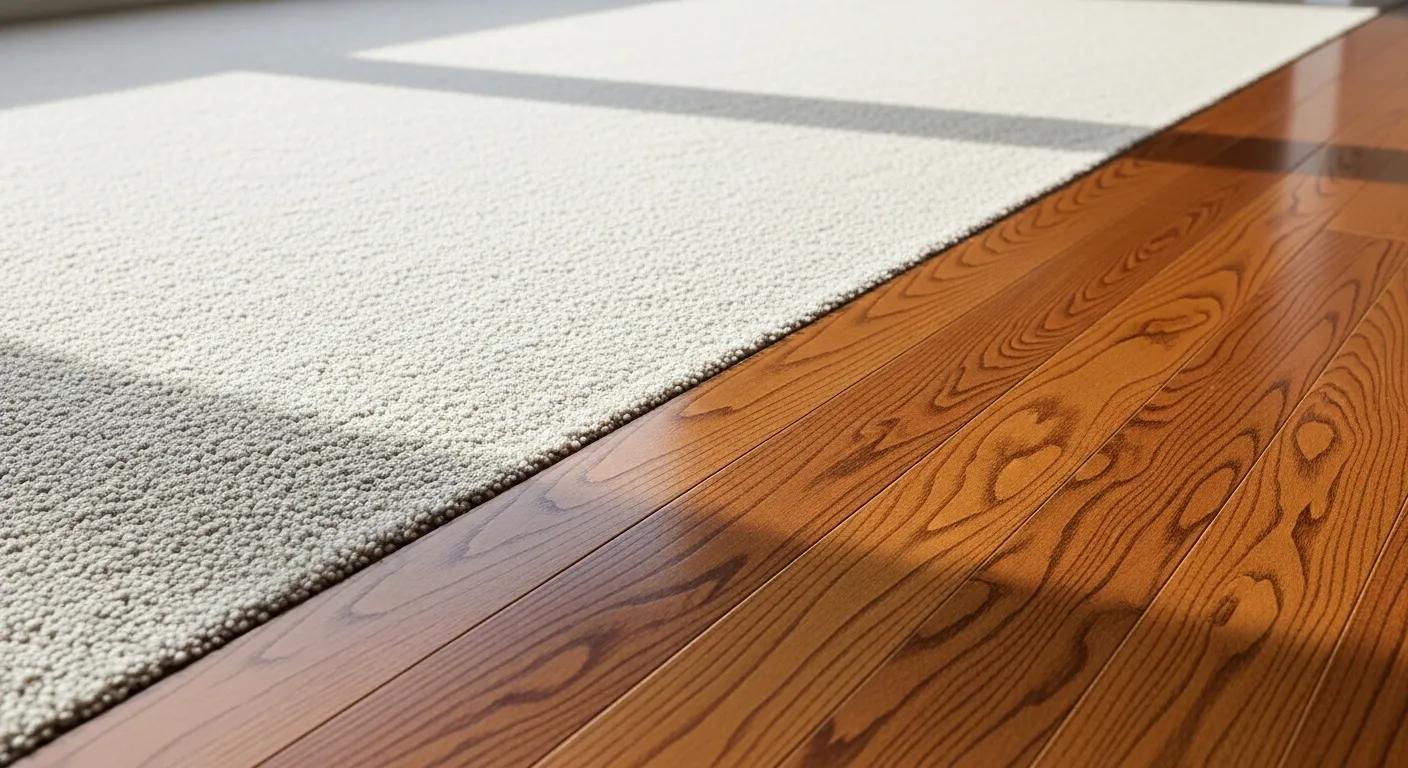
Carpet vs Hardwood Flooring: Which Is Best for Your Home?
April 2, 2026
Carpet or Hardwood? Expert Flooring Guide
Choosing the right flooring for your home is a pivotal decision that influences both the aesthetic appeal and functional performance of your living spaces. With a multitude of options available, homeowners frequently face the challenge of selecting between carpet and hardwood flooring. This comprehensive guide examines the essential benefits and limitations of each flooring type, empowering you to make a well-informed decision. You will gain insights into the comfort and warmth offered by carpet, the enduring durability and elegance of hardwood, and a detailed comparison of cost and installation considerations. Furthermore, we explore health implications, environmental sustainability, and current trends in flooring. By the conclusion of this article, you will possess a thorough understanding of which flooring solution aligns best with your lifestyle and preferences.
What Are the Key Benefits and Drawbacks of Carpet Flooring?
Carpet flooring presents a range of advantages and disadvantages that should be carefully evaluated by homeowners prior to selection.
Comfort and Warmth: Carpet delivers a plush, cushioned surface that significantly enhances comfort, making it particularly suitable for bedrooms and living rooms. Its insulating properties help retain heat, fostering a cozy atmosphere during colder seasons.
Aesthetic Versatility: Available in an extensive array of colors, textures, and patterns, carpet can seamlessly complement diverse interior design styles, adding a welcoming and intimate ambiance to your home.
Cost-Effectiveness: Typically, carpet is more budget-friendly than hardwood flooring, offering an economical solution without compromising on style.
Nonetheless, carpet flooring also entails certain drawbacks:
Maintenance Demands: Carpets necessitate consistent cleaning and upkeep to prevent staining and odor accumulation, which can require considerable time and effort.
Durability Concerns: Although some carpets are engineered for durability, they generally do not endure heavy foot traffic as effectively as hardwood floors.
Allergen Accumulation: Carpets can harbor dust, pet dander, and other allergens, potentially impacting indoor air quality adversely.
For those interested in carpet flooring, Royal Floors offers an extensive selection tailored to meet a variety of aesthetic preferences and functional requirements.
How Does Carpet Flooring Enhance Comfort and Warmth in Homes?
Carpet flooring enhances home comfort and warmth through its distinctive characteristics. The soft fibers provide a cushioned, gentle surface underfoot, ideal for areas where people frequently sit, play, or walk barefoot. Additionally, carpet functions as an effective thermal insulator, retaining heat within rooms and potentially reducing heating expenses during winter. Its acoustic insulation properties also contribute to noise reduction, creating a quieter and more serene living environment, which is especially beneficial in multi-level homes or apartment complexes.
What Are the Maintenance Requirements and Durability of Carpet Flooring?
Proper maintenance of carpet flooring involves routine vacuuming and periodic deep cleaning to eliminate embedded dirt and stains. The longevity of carpet varies depending on material quality and foot traffic intensity, with premium carpets lasting between 10 to 15 years when well-maintained. Many carpets feature stain-resistant treatments that enhance durability and simplify upkeep. However, in high-traffic zones or households with pets, carpets may require replacement sooner to maintain appearance and hygiene.
What Are the Advantages and Considerations of Hardwood Flooring?
Hardwood flooring is celebrated for its classic beauty and robust durability, making it a favored choice among homeowners seeking long-term value.
Elegant Aesthetic: Hardwood floors impart a timeless elegance and sophistication, elevating the visual appeal and market value of any home.
Exceptional Durability: With appropriate care, hardwood flooring can endure for decades. It resists wear and tear effectively and can be refinished multiple times to restore its original sheen.
Environmental Sustainability: Many hardwood products are sourced from sustainably managed forests, offering an eco-conscious flooring option for environmentally aware consumers.
Higher Cost: Hardwood flooring generally involves greater upfront expenses for both materials and installation compared to carpet.
Maintenance Requirements: Despite its durability, hardwood requires regular upkeep, including refinishing and protective treatments to guard against scratches and moisture damage.
Humidity Sensitivity: Hardwood can expand or contract with humidity fluctuations, potentially causing gaps or warping if not installed correctly.
Royal Floors offers a diverse range of hardwood flooring options designed to suit various styles and budgets, ensuring an ideal match for your home.
How Does Hardwood Flooring Contribute to Home Aesthetics and Value?
Hardwood flooring significantly enhances home aesthetics and value through its natural textures and rich color variations. It creates a warm, inviting atmosphere that complements a wide range of interior designs. Additionally, properties featuring hardwood floors often experience increased market value, as many buyers prioritize this flooring type for its durability and timeless appeal. The ability to refinish hardwood floors allows homeowners to update their interiors in line with evolving design trends without the need for full replacement.
What Are the Durability and Maintenance Needs of Hardwood Flooring?
Known for its longevity, hardwood flooring can last 20 years or more with diligent care. Maintenance includes regular sweeping or vacuuming to remove debris, occasional damp mopping to preserve shine, and applying protective finishes to prevent scratches and moisture damage. Periodic refinishing restores the floor’s original beauty and extends its lifespan, making hardwood a valuable long-term investment.
How Do Carpet and Hardwood Flooring Compare in Cost and Installation in Australia?
Cost and installation are pivotal factors when comparing carpet and hardwood flooring in Australia.
Material Costs: Carpet typically has a lower initial cost, ranging from $20 to $100 per square meter, whereas hardwood flooring starts around $50 per square meter and can increase substantially depending on wood species and quality.
Installation Costs: Carpet installation is generally more straightforward and less costly, while hardwood installation demands specialized skills and labor, resulting in higher expenses.
Total Estimated Costs: For an average room, carpet installation may cost between $1,000 and $2,500, whereas hardwood flooring can range from $2,500 to $5,000 or more, inclusive of materials and labor.
Royal Floors provides expert guidance to help you accurately assess total project costs, ensuring a transparent and informed flooring investment.
What Factors Influence Flooring Installation Costs in Sydney and Surrounding Areas?
Several key factors affect flooring installation costs in Sydney and nearby regions:
Flooring Type: The choice between carpet and hardwood significantly impacts pricing, with hardwood generally incurring higher costs.
Preparation and Installation Complexity: The condition of the subfloor and the intricacy of the installation process can influence expenses. Hardwood installations often require additional preparation.
Local Market Conditions: Labor rates and market demand in the area can affect installation pricing, with higher demand potentially increasing costs.
How Does the Installation Process Differ Between Carpet and Hardwood Flooring?
The installation procedures for carpet and hardwood flooring vary notably:
Carpet Installation: Involves laying a padding layer followed by stretching and securing the carpet with tack strips. This method is typically faster and less labor-intensive.
Hardwood Installation: Requires precise measurement, cutting, and acclimation of wood planks to room humidity. Installation methods include nail-down, glue-down, or floating, each necessitating specialized expertise.
Professional Expertise: Hiring professionals is highly recommended for hardwood installation to ensure quality and longevity, whereas carpet installation may be more accessible for skilled DIYers.
Which Flooring Option Is Best for Health, Allergies, and Pets?
Considering health, allergies, and pet ownership, both carpet and hardwood flooring offer distinct advantages and challenges:
Hardwood Flooring Benefits: Easier to clean and less likely to trap allergens such as dust and pet dander, making it a superior choice for allergy sufferers.
Carpet Considerations: Provides comfort for pets but can retain allergens and odors. However, hypoallergenic and stain-resistant carpet options are available to mitigate these concerns.
Pet-Friendly Flooring: Hardwood is often preferred for pet owners due to its durability and ease of maintenance, though certain carpets designed for pets can also be suitable.
How Do Carpet and Hardwood Flooring Affect Indoor Air Quality and Allergies?
Flooring choices significantly influence indoor air quality:
Carpet Allergen Retention: Carpets can accumulate allergens that may worsen allergy symptoms if not cleaned regularly. Selecting high-quality carpets with low volatile organic compound (VOC) emissions can help improve air quality.
Hardwood Cleaning Advantages: Hardwood floors facilitate easier cleaning, reducing dust and allergen buildup. Routine sweeping and mopping support a healthier indoor environment.
Low-VOC Finishes: Utilizing low-VOC finishes on hardwood floors further enhances indoor air quality, benefiting health-conscious homeowners.
What Flooring Choices Are Recommended for Homes with Pets?
For pet-friendly flooring, consider the following options:
Hardwood Flooring: Durable and simple to clean, especially when selecting harder wood species that resist scratches.
Luxury Vinyl Flooring: Offers the appearance of hardwood with superior scratch resistance and waterproof qualities, ideal for pet owners.
Stain-Resistant Carpets: Opt for carpets treated to resist stains and odors, maintaining a clean and comfortable environment for pets and people alike.
What Are the Environmental Impacts and Sustainability Factors of Carpet vs Hardwood Flooring?
Environmental considerations are increasingly important in flooring selection:
Material Sustainability: Hardwood flooring sourced from sustainably managed forests is an eco-friendly choice, whereas many carpets are manufactured from synthetic, non-biodegradable materials.
Lifecycle and Maintenance: Hardwood’s longer lifespan reduces replacement frequency and waste. Its maintenance can be environmentally responsible when using low-VOC products.
Energy Efficiency: Carpet’s insulation properties can contribute to energy savings in colder climates, while hardwood may require additional heating or cooling energy.
Long-term environmental and economic impacts of flooring maintenance are critical factors in sustainable decision-making.
Flooring Maintenance: Environmental & Economic Impact of Hardwood & Carpet
Maintenance activities significantly influence the environmental and economic footprint of flooring materials. Environmental impact scores can increase by 31% for hardwood and up to 114% for carpet when maintenance is factored into the lifecycle. Vacuuming is a major contributor to this increase. Economically, maintenance accounts for approximately 49% of hardwood’s total cost and about 30% for linoleum, vinyl, and carpet.
Impact of maintenance on life cycle impact and cost assessment for residential flooring options, 2015
How Do Flooring Materials Affect Environmental Sustainability in Australian Homes?
Flooring materials play a vital role in the sustainability profile of Australian homes:
Eco-Friendly Alternatives: Options such as bamboo and cork, which are renewable and biodegradable, are gaining popularity among environmentally conscious homeowners.
Sourcing and Manufacturing Impact: The environmental footprint of flooring is influenced by sourcing practices and manufacturing processes. Locally sourced materials reduce transportation-related emissions.
Durability and Sustainability: Investing in durable flooring reduces the need for frequent replacement, contributing to long-term environmental benefits and healthier indoor environments.
Research focused on Australian housing highlights the substantial greenhouse gas mitigation potential associated with increased use of wood products in construction.
Environmental Benefits of Wood Flooring in Australian Homes
Despite a decline in average wood product usage per floor area in Australia, there remains significant potential for greenhouse gas (GHG) mitigation through increased incorporation of wood products in building designs. This study evaluated the GHG impacts of extraction, manufacturing, transport, construction, maintenance, and disposal of wood products and alternative materials for two common house designs in Sydney, Australia.
Quantifying the greenhouse benefits of the use of wood products in two popular house designs in Sydney,
Australia, T Grant, 2013
What Are the Latest Trends in Sustainable Flooring Choices in Australia?
Sustainable flooring is an evolving trend in Australia, characterized by several key developments:
Natural Fiber Flooring: Growing demand for flooring made from natural fibers such as sisal and jute, which are biodegradable and environmentally responsible.
Recycled Material Innovations: Manufacturers increasingly utilize recycled content in flooring products, reducing waste and promoting circular economy principles.
Emerging Eco-Friendly Technologies: Advances in flooring technology are producing new materials that combine aesthetic appeal with environmental benefits.
How to Choose the Right Flooring for Your Home: Expert Tips and Warranty Considerations
When selecting flooring, consider these expert recommendations:
Evaluate Needs and Budget: Assess the expected foot traffic, lifestyle factors, and set a realistic budget encompassing both materials and installation.
Conduct Thorough Research: Investigate various flooring options and consult reviews to understand performance and satisfaction from other homeowners.
Review Warranty Details: Examine warranty terms carefully to gauge product durability and manufacturer support.
What Factors Should Homeowners Consider When Selecting Between Carpet and Hardwood?
Key considerations for choosing between carpet and hardwood include:
Visual Appeal and Longevity: Determine the desired aesthetic and how well the flooring will withstand wear over time.
Maintenance Commitment and Comfort: Reflect on the time available for upkeep and the importance of comfort in your living areas.
Financial and Lifestyle Factors: Account for budget constraints and lifestyle elements such as pets or children that may influence flooring durability and maintenance.
How Do Warranties and Guarantees Influence Flooring Decisions?
Warranties and guarantees play a crucial role in flooring selection:
Comprehend Warranty Coverage: Understand what is covered, including limitations and exclusions, to avoid surprises.
Prioritize Extensive Warranties: Flooring products with comprehensive warranties offer greater assurance of quality and longevity.
Familiarize with Claims Procedures: Knowing the documentation and process for warranty claims ensures smoother resolution if issues arise.