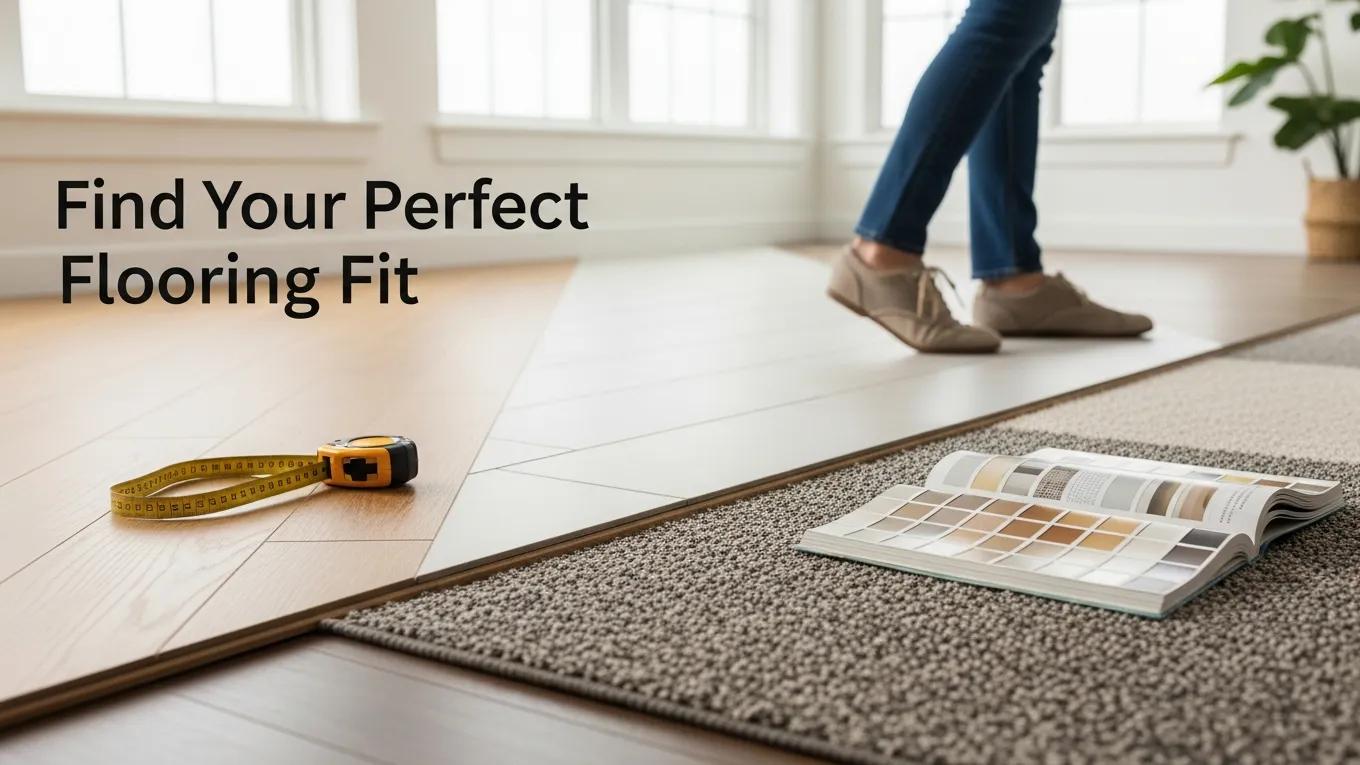
Choose the Right Flooring for Your Unique Lifestyle Needs
May 11, 2026
Choosing the Best Flooring: A Complete Guide for Your Unique Lifestyle Needs
Selecting the right flooring is a crucial decision that can significantly impact the aesthetics, functionality, and comfort of your home. With a myriad of options available, understanding the various flooring types and their unique features is essential for making an informed choice. This comprehensive guide will delve into the different flooring types, their benefits, and how to select the best option based on your specific lifestyle needs. Many homeowners face challenges in balancing style, durability, and maintenance when choosing flooring. This guide aims to provide clarity and solutions to help you navigate these choices effectively. We will explore the main flooring types, compare their features, and discuss considerations for homes with pets, children, or allergies, as well as high-traffic areas.
Indeed, the process of selecting the ideal flooring often benefits from a structured approach that considers various factors to meet specific customer needs.
Multi-Criteria Decision Making for Residential Flooring Selection
The use of multi-criteria decision-making approaches to select flooring materials for residential buildings is a crucial step in the construction process. This study will help the Builder/Developer to provide flooring for residential houses as per the requirements of the customer.
Selection of Flooring Material for Residential Building Using Multi Criteria Decision Making Method, AL Agarwal, 2022
What Are the Main Flooring Types and Their Features?
When it comes to flooring, several types stand out, each with its unique characteristics and benefits. Understanding these can help you choose the best option for your home.
Timber Flooring: Known for its natural beauty and warmth, timber flooring is durable and can last for decades with proper care. It is available in various species, each offering different colors and grain patterns.
Laminate Flooring: This cost-effective alternative mimics the appearance of wood or stone while providing excellent durability and resistance to scratches and stains. It is easy to install and maintain, making it a popular choice for busy households.
Vinyl Flooring: Vinyl is versatile and water-resistant, making it ideal for areas prone to moisture, such as kitchens and bathrooms. It comes in various styles, including planks and tiles, and is known for its comfort underfoot.
Carpet: Offering warmth and comfort, carpet is available in numerous colors and textures. It is an excellent choice for bedrooms and living areas but requires regular maintenance to keep it looking its best.
These flooring types cater to different aesthetic preferences and functional needs, making it essential to consider your lifestyle when making a choice.
How Do Timber, Laminate, Vinyl, and Carpet Flooring Compare?
Comparing the key flooring types can help you understand their strengths and weaknesses, allowing for a more informed decision.
Durability: Timber flooring is highly durable but can be susceptible to scratches. Laminate is designed to withstand wear and tear, making it ideal for high-traffic areas. Vinyl is also durable and water-resistant, while carpet may wear out faster in high-traffic zones.
Cost-Effectiveness: Laminate flooring typically offers the best value for money, providing a similar look to timber at a lower price. Vinyl is also budget-friendly, while timber can be more expensive upfront but may add value to your home.
Maintenance Needs: Timber requires regular polishing and care to maintain its appearance. Laminate and vinyl are low-maintenance, needing only occasional cleaning. Carpet requires regular vacuuming and professional cleaning to keep it fresh.
Understanding these comparisons can guide you in selecting the flooring that best fits your needs and budget.
Complete Flooring Guide: Choosing the Best Option for Your Lifestyle
Durability and maintenance are critical factors to consider when choosing flooring. Each type has its own requirements that can affect its longevity and appearance.
Flooring Type
Durability
Maintenance Requirements
Timber
High
Regular polishing, avoid excessive moisture
Laminate
Moderate
Simple cleaning, avoid excess water
Vinyl
High
Easy to clean, resistant to stains
Carpet
Moderate
Regular vacuuming, professional cleaning
Timber flooring, while durable, requires more maintenance to prevent damage from moisture and scratches. Laminate and vinyl are easier to maintain, making them suitable for busy households. Carpet, while comfortable, needs regular upkeep to maintain its appearance and hygiene.
How to Select Flooring Based on Your Lifestyle Needs?
Choosing the right flooring involves considering various lifestyle factors, including your household’s activity level, the presence of pets or children, and your aesthetic preferences.
Activity Level: For high-traffic areas, durable options like laminate or vinyl are ideal. They can withstand wear and tear while remaining visually appealing.
Pets and Children: If you have pets or young children, consider flooring that is scratch-resistant and easy to clean, such as laminate or vinyl. Carpet may not be the best choice due to staining and wear.
Aesthetic Preferences: Your flooring should complement your home’s overall design. Timber offers a classic look, while laminate and vinyl can mimic various styles at a lower cost.
By evaluating these factors, you can select flooring that not only meets your practical needs but also enhances your home’s aesthetic.
Which Flooring Options Are Best for Homes with Pets, Children, or Allergies?
When selecting flooring for homes with specific needs, certain materials stand out for their suitability.
Best Materials for Pets: Laminate and vinyl are excellent choices due to their scratch resistance and ease of cleaning. They can handle the wear and tear from pets without showing significant damage.
Child-Friendly Options: Carpet provides a soft surface for children to play on, but it requires regular cleaning. Laminate and vinyl are also good options, offering durability and easy maintenance.
Allergy Considerations: For allergy sufferers, hard surface flooring like timber, laminate, or vinyl is preferable as they do not trap dust and allergens like carpet does.
These considerations ensure that your flooring choice supports a healthy and functional living environment.
What Flooring Types Suit High Traffic Areas and Active Lifestyles?
High-traffic areas require flooring that can withstand constant use without showing signs of wear. The following options are ideal:
Laminate Flooring: Its durability and resistance to scratches make it perfect for busy households.
Vinyl Flooring: Water-resistant and easy to clean, vinyl is suitable for kitchens and entryways.
Tile Flooring: While not mentioned earlier, tile is another excellent option for high-traffic areas due to its durability and ease of maintenance.
Choosing the right flooring for high-traffic areas can help maintain the beauty and functionality of your home.
What Are the Costs and Installation Processes for Flooring in Australia?
Understanding the costs and installation processes associated with flooring can help you budget effectively.
However, navigating these financial aspects can be challenging, as comprehensive cost information is not always readily available to the average buyer.
Flooring Installation & Maintenance Costs for Residential Buyers
Before deciding on a flooring material, the prudent buyer will consider the flooring material that is best suited to his individual needs. Unfortunately very little information about these cost factors is available to the average buyer.
Flooring costs: a comparison of installation and maintenance costs for three types of residential flooring, 1968
Cost Breakdown: The cost of flooring varies significantly based on the type. For example, timber flooring can range from $100 to $300 per square meter, while laminate may cost between $30 to $80 per square meter. Vinyl typically ranges from $50 to $150 per square meter.
Installation Steps: The installation process generally involves measuring the area, preparing the subfloor, and laying the flooring. Professional installation is recommended for timber and tile to ensure proper fitting and finish.
For those considering new flooring, Royal Floors offers a free measure and quote service to help you understand the costs involved.
How Is Flooring Installation Cost Calculated and What Services Are Included?
The cost of flooring installation is influenced by several factors, including the type of flooring, the size of the area, and the complexity of the installation.
Factors Affecting Cost: The type of flooring chosen, the condition of the subfloor, and any additional services such as removal of old flooring can impact the overall cost.
Included Services: Most installation services include measuring the area, preparing the subfloor, and laying the new flooring. Some companies may also offer additional services like furniture moving or disposal of old materials.
Understanding these factors can help you anticipate the total cost of your flooring project.
What Are the Benefits of Professional Installation and Free Measure and Quote Services?
Opting for professional installation can provide several advantages, ensuring that your flooring is installed correctly and efficiently.
Expert Guidance: Professionals can offer valuable advice on the best flooring options for your specific needs and preferences.
Time Efficiency: Professional installers can complete the job more quickly and accurately than DIY attempts, saving you time and potential mistakes.
Cost Clarity: A free measure and quote service, like that offered by Royal Floors, provides transparency in pricing, helping you budget effectively for your flooring project.
These benefits highlight the importance of considering professional services when installing new flooring.
Which Sustainable and Eco-Friendly Flooring Options Are Available?
Sustainability is becoming increasingly important in flooring choices, with several eco-friendly options available.
Bamboo Flooring: A rapidly renewable resource, bamboo is durable and offers a unique aesthetic.
Cork Flooring: Harvested from the bark of cork oak trees, cork is sustainable and provides excellent insulation.
Recycled Materials: Some flooring options are made from recycled materials, reducing waste and environmental impact.
Choosing sustainable flooring options can contribute to a healthier planet while enhancing your home.
Beyond initial investment, a holistic view of flooring selection also encompasses the long-term environmental and financial impacts throughout its life cycle.
Life Cycle Cost & Environmental Optimization for Residential Flooring
The goal of the study was to determine the preferred composition of the floor on grade in residential buildings in the Belgian context from a life cycle environmental and financial perspective. In addition to the life cycle costs, the required investments were evaluated to take into account budget restrictions. The analysis of current available materials and techniques allows both the designer and building owner to extend their decision criteria from mainly investment cost to life cycle aspects as well.
Environmental and economic optimisation of the floor on grade in residential buildings, K Allacker, 2012
What Are the Advantages of Sustainable Flooring Materials?
Sustainable flooring materials offer numerous benefits beyond their environmental impact.
Environmental Benefits: Using renewable resources helps reduce deforestation and carbon emissions.
Healthier Indoor Environment: Many sustainable materials are free from harmful chemicals, improving indoor air quality.
Durability: Sustainable flooring options like bamboo and cork are often as durable as traditional materials, providing long-lasting performance.
These advantages make sustainable flooring an appealing choice for environmentally conscious homeowners.
How Do Waterproof and Smart Flooring Trends Enhance Lifestyle Suitability?
Modern flooring trends are increasingly focusing on functionality and convenience, with waterproof and smart flooring options gaining popularity.
Waterproof Flooring: Ideal for areas prone to moisture, waterproof flooring options protect against water damage and are easy to clean.
Smart Flooring: Innovations in flooring technology, such as integrated heating systems or sensors, enhance comfort and convenience in daily living.
These trends reflect a growing demand for flooring solutions that cater to contemporary lifestyle needs.
How Can You Maintain and Extend the Life of Your Flooring?
Proper maintenance is essential for prolonging the life of your flooring and keeping it looking its best.
Regular Cleaning: Routine cleaning helps prevent dirt and grime buildup, which can damage flooring over time.
Follow Manufacturer Guidelines: Each flooring type has specific care instructions that should be followed to maintain warranty coverage.
Professional Maintenance: For certain types of flooring, such as carpet, professional cleaning can help restore appearance and hygiene.
Implementing these maintenance strategies can significantly extend the life of your flooring.
What Are Effective Maintenance Tips for Different Flooring Types?
Different flooring types require specific maintenance approaches to ensure longevity and appearance.
Timber Flooring: Regularly polish and avoid excessive moisture to prevent warping.
Laminate Flooring: Clean with a damp mop and avoid harsh chemicals that can damage the surface.
Vinyl Flooring: Use a gentle cleaner and avoid abrasive tools to maintain its finish.
Carpet: Vacuum regularly and schedule professional cleaning every 12-18 months to keep it fresh.
By following these tips, you can maintain the beauty and functionality of your flooring for years to come.
How Does Proper Maintenance Impact Flooring Durability and Warranty?
Proper maintenance not only enhances the appearance of your flooring but also plays a crucial role in its durability and warranty coverage.
Warranty Implications: Many flooring manufacturers require specific maintenance practices to uphold warranty claims. Failing to follow these guidelines can void your warranty.
Durability Factors: Regular maintenance helps prevent damage from dirt, moisture, and wear, ensuring that your flooring lasts longer and performs better.
Understanding the relationship between maintenance and durability can help you protect your investment in flooring.
Understanding the Importance of Flooring Selection
Choosing the right flooring is essential for creating a comfortable and functional living space. It not only affects the aesthetic appeal of your home but also influences factors such as safety, maintenance, and long-term durability. A well-informed decision can lead to a more satisfying home environment that meets your family's specific needs.
For instance, selecting flooring that is easy to clean and maintain can be particularly important for households with young children or pets. Additionally, considering the climate and typical weather conditions in your area can guide you toward materials that perform well under those circumstances, ensuring that your investment lasts for years to come.
Innovative Flooring Technologies and Trends
The flooring industry is continually evolving, with new technologies and trends emerging to enhance user experience and functionality. Innovations such as smart flooring systems, which can integrate heating elements or sensors for monitoring, are becoming increasingly popular. These advancements not only improve comfort but also add convenience to daily living.
Moreover, trends such as luxury vinyl tiles that mimic natural materials and are waterproof are gaining traction among homeowners looking for both style and practicality. Keeping abreast of these innovations can help you make informed choices that align with modern living standards and expectations.
Comparative Analysis of Flooring Brands and Options
When selecting flooring, it's crucial to consider the various brands and their respective offerings. Different manufacturers may provide unique features, warranties, and customer service experiences that can influence your decision. Researching and comparing these aspects can help you find the best option that fits your budget and requirements.
For example, some brands might specialize in eco-friendly materials, while others focus on luxury aesthetics or affordability. Understanding the strengths and weaknesses of each brand can empower you to choose a flooring solution that not only meets your needs but also reflects your personal style and values.
Preparing Your Home for Flooring Installation
Proper preparation is key to a successful flooring installation process. This involves clearing the area where the new flooring will be laid, ensuring that the subfloor is clean and level, and making any necessary repairs. Taking these steps can significantly impact the quality and longevity of your new flooring.
Additionally, it’s advisable to consult with professionals about any specific requirements for the flooring type you choose. For instance, certain materials may need acclimation to the home’s temperature and humidity levels before installation, which can prevent issues like warping or buckling in the future.