Comparing Carpet and Vinyl Flooring Costs in Sydney: A Comprehensive Price Breakdown
May 21, 2026
Carpet vs Vinyl Flooring Costs in Sydney: Detailed Price Guide
By Abdul Wali, Royal Floors
Choosing flooring means balancing upfront cost, durability and maintenance. This article compares carpet and vinyl pricing in Sydney, outlines the main cost drivers, and explains how Royal Floors can help with transparent quotes so you can budget confidently.
Carpet Flooring Costs
Carpet materials typically range from $30–$50 per m², with installation adding about $10–$30 per m². For a typical 20 m² room, expect roughly $800–$1,600 depending on carpet type and installation complexity.
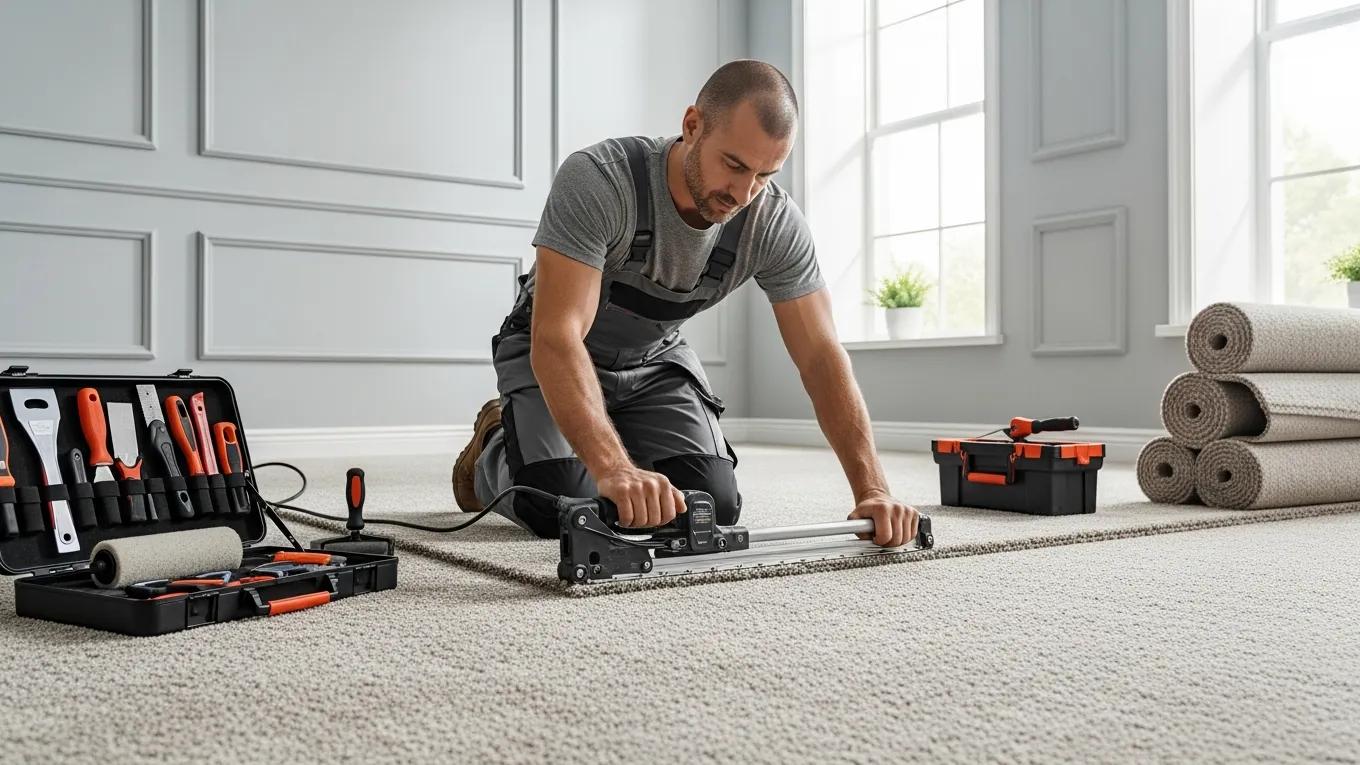
Royal Floors stocks a range of carpet grades for different budgets and provides professional installation to improve fit and longevity. For local options, searching for a flooring store near me can help you compare samples and advice.
Vinyl Flooring Costs
Vinyl prices in Sydney generally fall between $30–$70 per m², with installation from about $20 per m². A 20 m² area can therefore cost roughly $1,000–$1,840 depending on the product (standard sheet vs luxury vinyl tile).
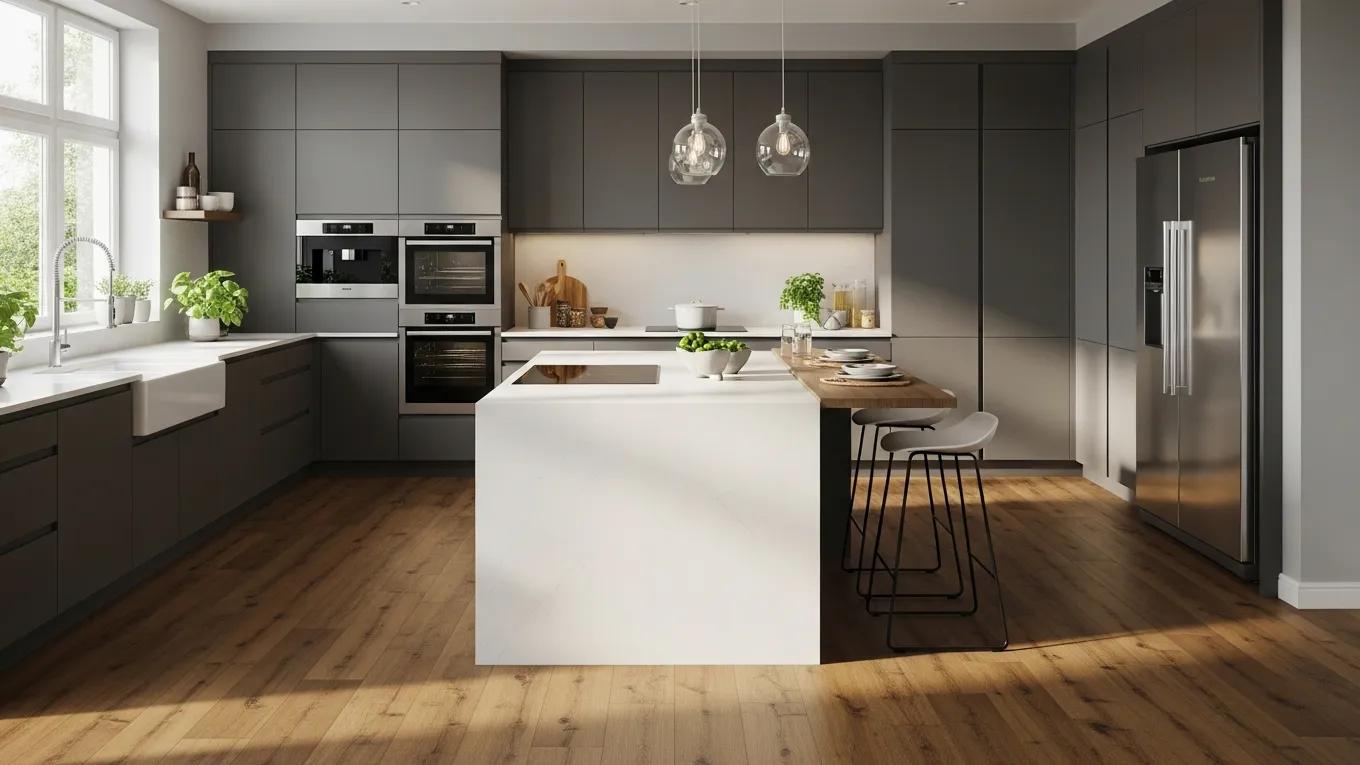
Royal Floors offers both standard vinyl and luxury vinyl tiles, and can advise on the best choice for traffic, moisture resistance and style to suit your space.
Comparison of Key Factors
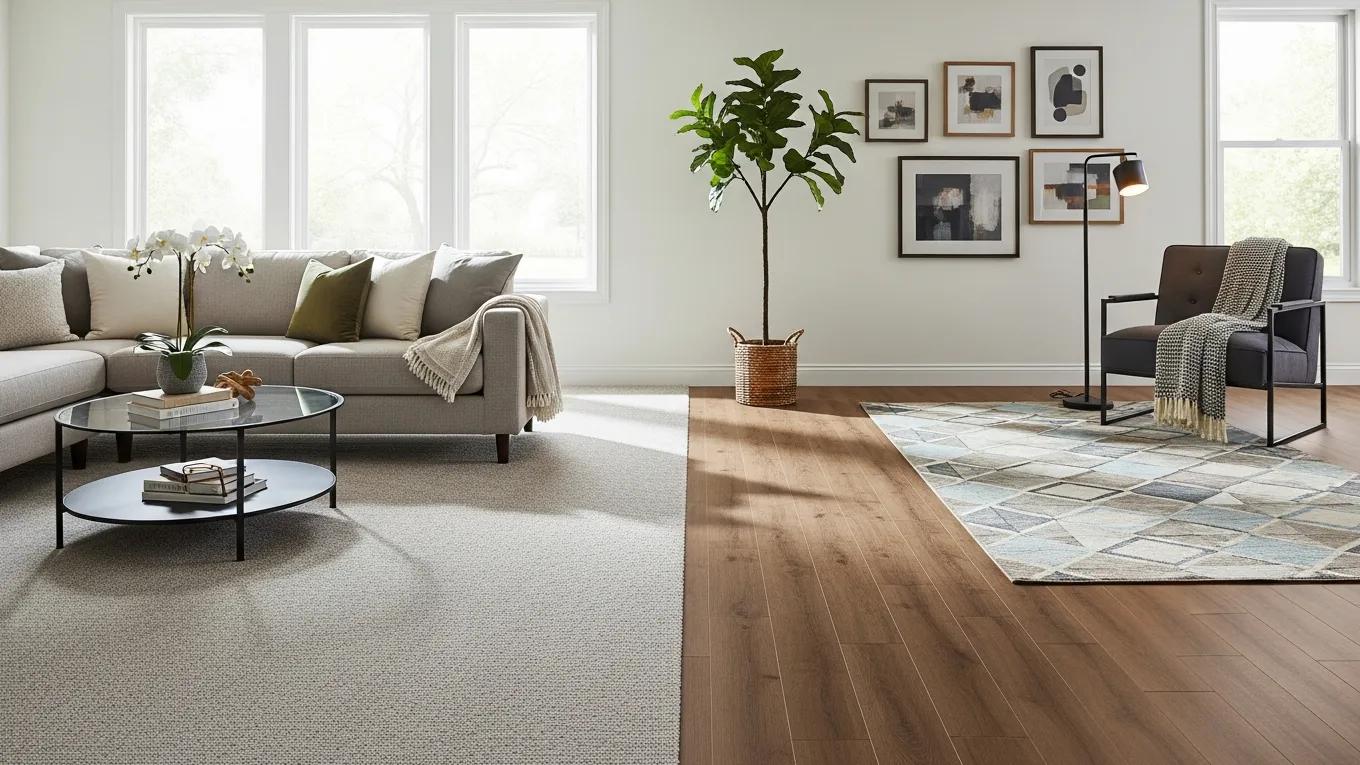
Carpet and vinyl differ mainly in durability, maintenance and lifecycle value. Carpet brings comfort and insulation but usually needs more regular cleaning and may wear sooner. Vinyl is durable, stain-resistant and tends to be lower maintenance over time.
Flooring Type
Material Quality
Durability
Maintenance
Long-term Value
Carpet
Varies by type
Moderate
Regular vacuuming and cleaning required
Can wear out faster, may need replacement sooner
Vinyl
Generally high
High
Easy to clean, resistant to stains
Longer lifespan, often more cost-effective over time
Use the table to weigh which factors matter most for each room (comfort vs durability, short-term cost vs long-term value).
What Are the Key Factors Influencing Carpet Flooring Costs in Sydney?
Costs depend on carpet fibre (wool vs synthetics), pile type, underlay, and the complexity of installation (stairs, door thresholds, trims).
Which Carpet Types Affect Price Ranges and Quality?
Natural fibres like wool cost more but offer durability and feel; polyester and nylon options are more budget-friendly while still suitable for many homes.
How Do Material and Installation Impact Overall Carpet Costs?
Higher-grade materials and professional installation increase upfront cost but reduce the risk of premature wear and problems that raise lifetime expense.
How Does Vinyl Flooring Pricing Compare Per Square Meter in Sydney?
Vinyl cost varies by construction: sheet vinyl, standard planks, and luxury vinyl tiles (LVT). LVT typically sits at the higher end of the $30–$70 per m² range due to design and performance features.
What Varieties of Vinyl Flooring Are Available and Their Price Differences?
Standard vinyl sheets are usually cheapest; LVT offers more realistic textures and durability at higher prices but often better long-term value.
How Do Installation Services and Location Affect Vinyl Flooring Costs?
Challenging access, many cuts or subfloor preparation can raise installation fees. Simpler, open rooms are less costly to fit.
What Are the Installation Cost Differences Between Carpet and Vinyl Flooring?
Carpet installation generally runs $10–$30 per m²; vinyl installation commonly starts at about $20 per m². The exact figure depends on labour, preparation and finishing work.
How Does Royal Floors’ Free Measure and Quote Service Facilitate Cost Transparency?
Royal Floors’ free measure and quote removes guesswork: they measure the space, outline material and labour costs, and identify any extra work (underlay, trims, removal) so you can budget accurately.
What Are Typical Installation Price Ranges for Both Flooring Types in Sydney?
Typical ranges reflect material plus labour: expect the carpet examples above and vinyl from roughly $30–$70/m² plus installation. Always confirm what’s included in a written quote.
How Do Maintenance and Durability Influence Long-Term Flooring Costs?
Maintenance needs and lifespan determine true cost. Carpet may need professional cleaning and earlier replacement; vinyl usually lasts longer with simple cleaning, lowering lifetime cost.
What Are the Expected Lifespans and Upkeep Requirements for Carpet Versus Vinyl?
Carpet: roughly 5–15 years depending on quality and care. Vinyl: typically 10–20 years or more with proper maintenance. Regular vacuuming (carpet) and gentle mopping (vinyl) keep either option performing well.
How Do Maintenance Costs Affect Overall Value and Affordability?
Consider both initial outlay and ongoing cleaning or replacement costs to judge true affordability; durable, low-maintenance floors can be more economical over time.
Flooring Costs: Lifecycle Impact of Maintenance
Maintenance expenses significantly escalate total costs, constituting 49% of the overall cost for hardwood and approximately 30% for linoleum, vinyl, and carpet. The anticipated service life of a residence substantially dictates optimal flooring selection, given the dynamic evolution of costs and environmental metrics over time.
Impact of maintenance on life cycle impact and cost assessment for residential flooring options, 2015
While carpet can have lower purchase prices, maintenance and earlier replacement add to lifetime cost. Vinyl’s durability and easy upkeep often make it the more cost-effective long-term option for high-traffic areas.
Frequently Asked Questions
What are the environmental impacts of carpet and vinyl flooring?
Carpets (especially synthetic) can affect indoor air quality and may not biodegrade; natural-fibre and recycled options reduce impact. Vinyl contains PVC and raises concerns at production and disposal, though recycled vinyl is an available alternative.
How can I choose between carpet and vinyl flooring for my home?
Choose based on room use: vinyl suits wet or high-traffic areas and homes with pets; carpet suits bedrooms or living rooms where comfort and warmth are priorities.
Are there any warranties available for carpet and vinyl flooring?
Yes. Warranties vary by product and brand: carpets often range from around 5–20 years, vinyl from roughly 10–25 years. Check terms for installation and maintenance requirements to keep warranties valid.
What are the best practices for maintaining carpet and vinyl flooring?
Carpet: regular vacuuming, prompt stain treatment and periodic professional deep cleaning. Vinyl: routine sweeping and damp mopping with mild detergent; avoid abrasive cleaners.
How do I calculate the total cost of flooring installation?
Measure the area in m², multiply by material cost per m², add installation cost per m², and include extras (underlay, trims, removal of old flooring) for a full budget estimate.
What are the trends in flooring materials for 2023?
Trends favor sustainable materials, realistic luxury vinyl designs and carpets using recycled fibres. Textured finishes and bold colours remain popular for personalization.
Conclusion
Both carpet and vinyl have roles depending on comfort, durability and budget. Use material and installation ranges here as a guide, request a free measure and quote from Royal Floors, and prioritise the factors most important for each room to make the best choice for your home.