April 11, 2026
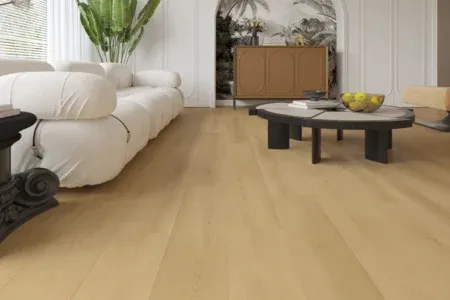
Timber flooring is a popular choice for homeowners and businesses alike, offering both aesthetic appeal and durability. In Hornsby, the options for timber flooring include engineered and solid hardwood, each with unique characteristics and benefits. This article will provide a comprehensive guide to these flooring types, helping you make an informed decision based on your needs. Whether you are renovating your home or outfitting a commercial space, understanding the differences between engineered and solid hardwood flooring is essential. We will explore their characteristics, installation processes, maintenance tips, and cost considerations, ensuring you have all the information necessary to choose the right flooring solution.
Timber flooring in Hornsby primarily consists of two types: engineered timber and solid hardwood. Engineered timber is constructed from multiple layers of wood, providing enhanced stability and moisture resistance, making it suitable for various environments. Solid hardwood, on the other hand, is made from a single piece of timber, offering a natural look and feel that can be refinished multiple times. Both options have their advantages, and understanding these can help you select the best flooring for your space.
The characteristics of timber flooring play a crucial role in determining its suitability for different applications.
Indeed, the fundamental properties of timber flooring, such as density and hardness, are critical factors in its application and performance.
Key Characteristics of Timber Flooring
It was noted that most timber flooring studies available in literature address density, hardness, abrasion resistance and dimensional stability, and this paper evaluates the standards and perceptions that discourage sustainable access of low-density timber for flooring.
A decade review on hardwood composites and their research developments, P Blanchet, 2025
Solid hardwood flooring is known for its durability and timeless appeal. It is made from a single piece of wood, which allows for refinishing multiple times throughout its lifespan. This type of flooring offers a natural look and feel, enhancing the aesthetic of any room. Common wood species used include oak, maple, and cherry, each providing unique grain patterns and colors.
Engineered timber flooring consists of a top layer of hardwood veneer bonded to multiple layers of plywood or high-density fiberboard. This construction makes it more stable than solid hardwood, particularly in areas with fluctuating humidity levels. Engineered timber is also a cost-effective alternative to solid hardwood, providing a similar aesthetic at a lower price point. Its versatility allows it to be installed in various settings, including over concrete slabs.
Research further highlights the inherent advantages of engineered wood products, particularly their stability and durability.
Engineered Hardwood: Stability & Durability
Composite materials, such as engineered wood products (EWPs), are favored for their stability, durability, and uniform mechanical properties, making them a potential way to valorize hardwood species. Therefore, this article aims to present a decade review of hardwood composites and their developments.
Why standards and perceptions are discouraging sustainable access of low density timber for flooring, K Millaniyage, 2023
Understanding the installation processes for both types of timber flooring is essential for achieving the best results.
Installing solid hardwood flooring typically involves nail-down or glue-down methods. The nail-down method requires acclimation of the wood to the room’s environment before installation, ensuring it fits properly. Professional installation is recommended to achieve the best results and avoid common pitfalls.
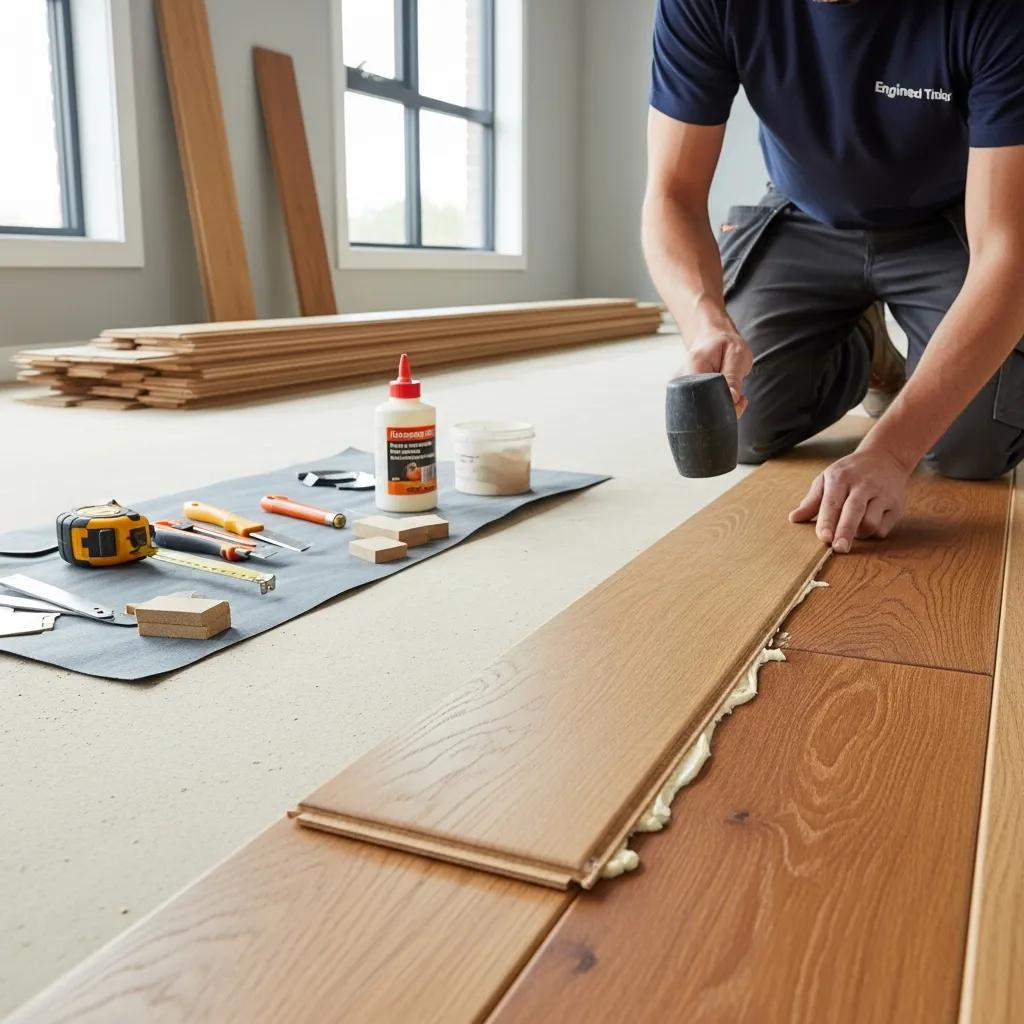
Engineered timber can be installed using floating or glue-down methods. The floating method allows the flooring to expand and contract with changes in humidity, making it ideal for areas prone to moisture. Additionally, engineered timber can be installed over concrete, which is a significant advantage in many commercial settings. Moisture barriers may be necessary to protect the flooring from potential damage.
Proper maintenance is crucial for prolonging the life of your timber floors, regardless of the type.
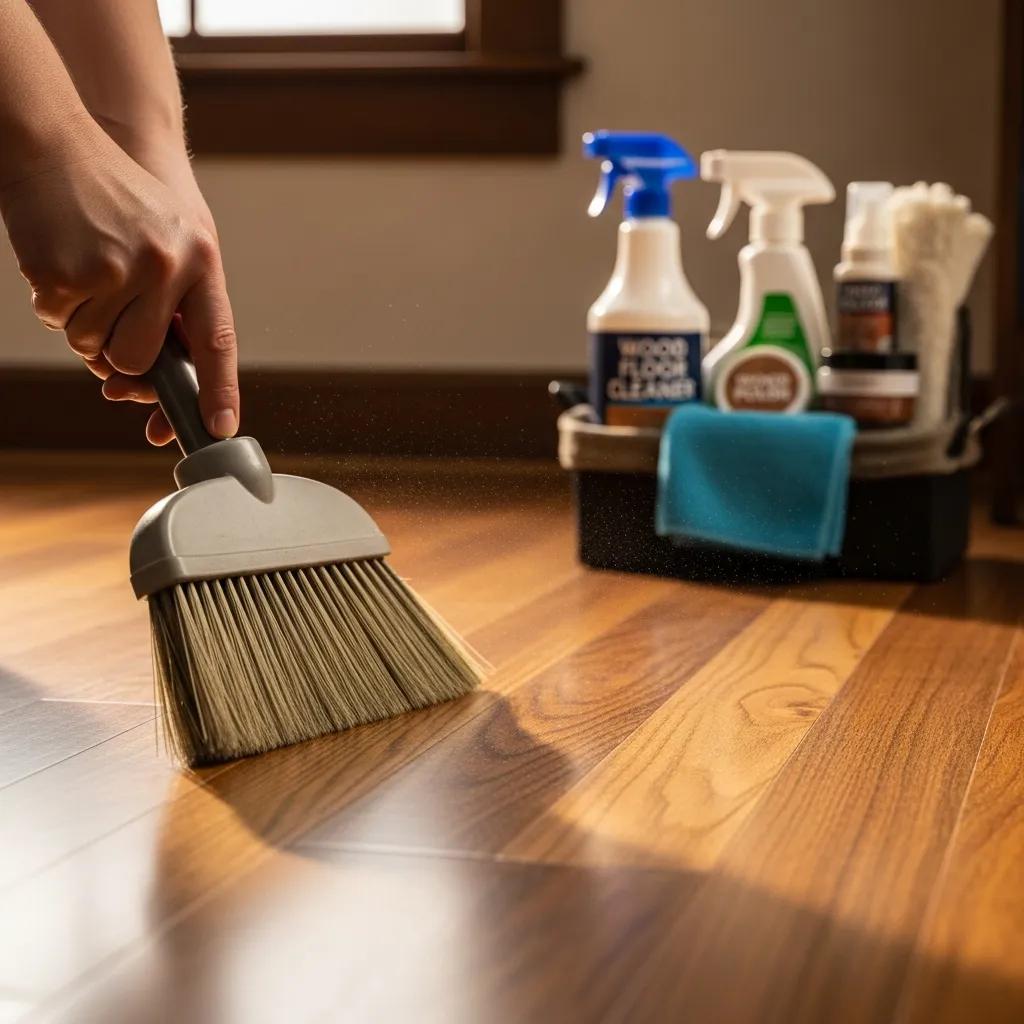
To maintain solid hardwood flooring, it is essential to avoid excessive water exposure, as this can lead to warping. Regular cleaning with a soft broom or vacuum is recommended, along with the use of protective pads under furniture to prevent scratches. Refinishing may be required every few years to keep the floor looking its best.
Engineered timber flooring requires specific care to ensure its longevity. Using a specialist timber cleaning kit can help maintain its appearance without damaging the surface. Regularly checking moisture levels in the environment is also important to prevent any potential issues.
When comparing engineered and solid hardwood flooring, several factors come into play, including durability, aesthetic appeal, and cost. Solid hardwood is often seen as more durable and can be refinished multiple times, while engineered timber offers greater stability and moisture resistance. Cost-wise, engineered timber is typically more affordable, making it an attractive option for budget-conscious consumers.
The key differences between engineered timber and solid hardwood flooring lie in their construction and performance. Solid hardwood is a single piece of wood, providing a classic look and the ability to be refinished. Engineered timber, with its layered construction, offers enhanced stability and moisture resistance, making it suitable for a wider range of environments.
Engineered timber flooring is versatile enough to suit both residential and commercial properties. Its stability makes it ideal for areas with fluctuating humidity, such as basements or commercial spaces. Additionally, the aesthetic appeal of engineered timber allows it to fit seamlessly into various design styles, from modern to traditional.
The costs of engineered timber flooring can vary based on several factors, including the quality of materials, installation methods, and the specific product chosen. On average, prices can range from $60 to $120 per square meter, depending on the brand and features. Installation costs should also be considered, as professional installation can add to the overall expense.
Royal Floors offers a free measure and quote service, which helps customers understand the costs associated with their flooring choices. This service ensures transparency in pricing, allowing customers to make informed decisions without hidden fees. By providing accurate measurements and detailed quotes, Royal Floors emphasizes its commitment to customer satisfaction.
Professional installation of solid hardwood flooring involves several steps to ensure a successful outcome. Initially, a consultation is conducted to assess the space and determine the best approach. The subfloor must be prepared adequately, and acclimation of the wood is essential before installation begins. Professionals will ensure that the flooring is installed correctly to prevent future issues.
During the installation process, customers can expect clear communication from the professionals regarding each step. Initial consultations will cover the specifics of the project, including timelines and preparation requirements. Proper subfloor preparation is crucial, as it sets the foundation for a successful installation.
To prolong the life of timber floors, regular maintenance is key. This includes:
Using high-quality cleaning products specifically designed for timber floors can enhance durability. Additionally, implementing best practices such as avoiding excessive water exposure and maintaining proper humidity levels will help ensure the longevity of your flooring investment.
Where great floors begin, Visit us at
PENRITH
CAMPBELLTOWN
HORNSBY
LOGAN QLD