March 26, 2026
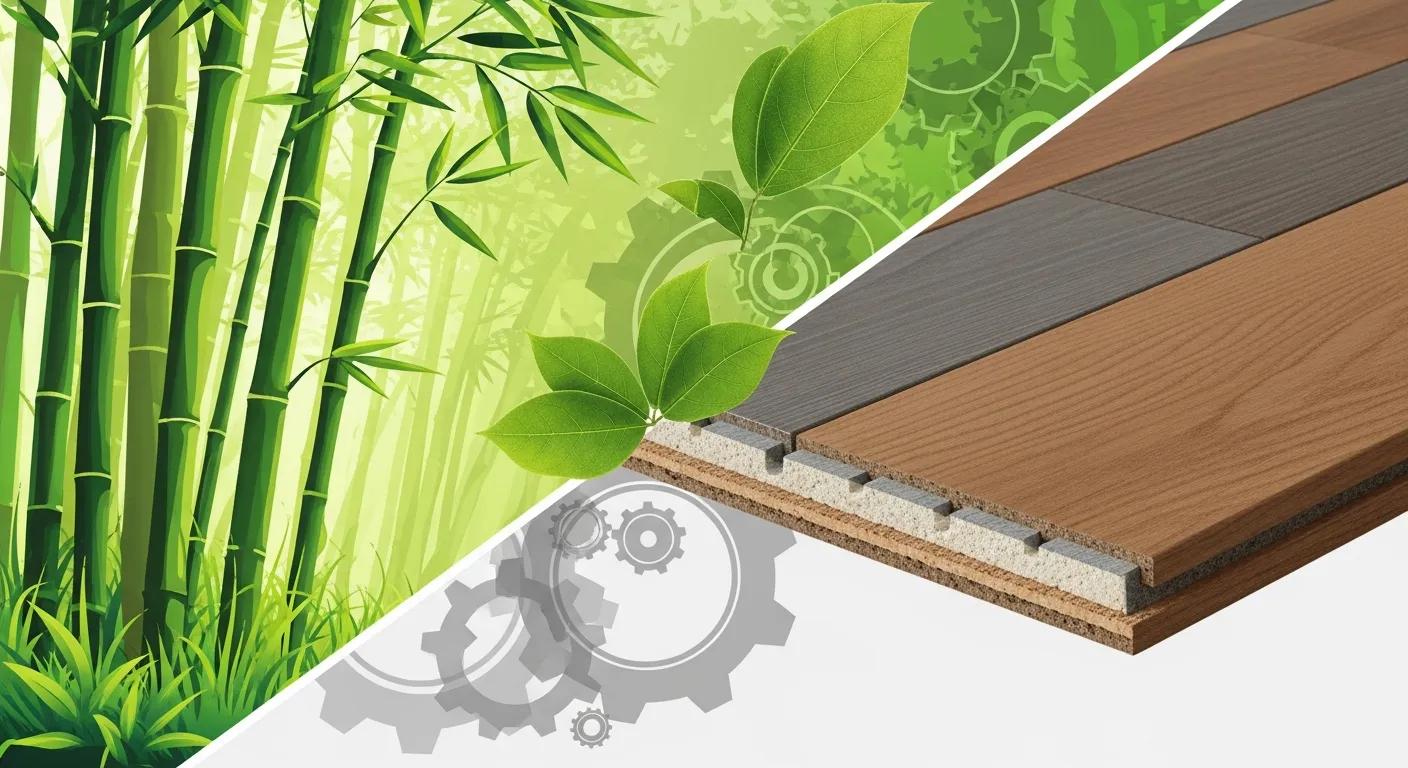
The choice between bamboo and engineered hardwood flooring is not just about aesthetics; it significantly impacts the environment. As consumers become more eco-conscious, understanding the environmental implications of flooring materials is crucial. This article delves into the environmental impact differences between bamboo and engineered hardwood, providing insights into their sustainability, carbon footprints, and certifications. By exploring these factors, homeowners, builders, and flooring companies can make informed decisions that align with their values and environmental goals. We will cover the key benefits of bamboo flooring, how it reduces carbon footprints, the sustainability certifications that support it, and a comparative analysis of engineered hardwood’s environmental impact.
Bamboo flooring offers several environmental benefits that make it a popular choice among eco-conscious consumers and carpet companies looking to expand their sustainable product lines. As a rapidly renewable resource, bamboo can grow up to three feet in a single day, making it a sustainable alternative to traditional hardwoods. This fast growth rate means that bamboo can be harvested without depleting forests, thus preserving biodiversity and reducing deforestation. Additionally, bamboo flooring is known for its durability, which contributes to a longer lifespan and less frequent replacement, further minimizing its environmental impact.
Moreover, bamboo flooring typically requires less energy to produce compared to hardwood flooring, resulting in lower carbon emissions during manufacturing. Its natural resistance to pests and moisture also means that fewer chemicals are needed for treatment, making it a healthier choice for indoor environments. These factors collectively position bamboo as a leading option for sustainable flooring solutions offered by flooring suppliers and floor covering suppliers.
For those interested in high-quality bamboo flooring, Royal Floors offers a range of options that emphasize both sustainability and aesthetic appeal.
Bamboo flooring significantly reduces carbon footprints through its rapid renewability and efficient production processes. The cultivation of bamboo absorbs carbon dioxide from the atmosphere, contributing to a reduction in greenhouse gases. This natural carbon sequestration is enhanced by bamboo’s ability to grow quickly, allowing for more frequent harvesting without harming the ecosystem.
Further research delves into the methodologies for calculating carbon sequestration in life cycle assessments, particularly for materials like wood and bamboo.
LCA for Wood & Bamboo: Carbon Sequestration & Environmental Impact
This paper starts with an analysis of the widely applied specification of PAS 2050 and the ILCD Handbook, both specifying the credit for carbon sequestration as ‘optional’ in LCA. From this analysis, it is concluded that these optional calculations give rather different results compared to the baseline LCA method. Since these optional calculations are not fully in line with the global carbon mass balances, a new calculation method is proposed. To validate the new method, two cases (one on wood and one bamboo products) are given. These cases show the practical application and the consequences of the new approach. Finally, the main issue is evaluated and discussed: is it a realistic approach to allocate less damage to the same emission, when it is released later in time?
Carbon sequestration in LCA, a proposal for a new approach based on the global carbon cycle; cases on wood and on bamboo, JG Vogtländer, 2014
During production, bamboo requires less energy compared to traditional hardwoods, which often involve extensive processing and transportation. The lower emissions associated with bamboo manufacturing further contribute to its reduced carbon footprint. Additionally, the durability of bamboo flooring means that it lasts longer, resulting in less waste and fewer resources needed for replacements over time. This combination of factors makes bamboo flooring an environmentally friendly choice for homeowners and flooring suppliers looking to minimize their impact on the planet.
Sustainability certifications play a crucial role in verifying the environmental claims of bamboo flooring. These certifications ensure that the bamboo is sourced responsibly and that the production processes adhere to strict environmental standards. Some of the key certifications to look for include:
These certifications provide consumers and designer carpets suppliers with confidence that their bamboo flooring choices are not only stylish but also environmentally responsible.
When comparing the sustainability of engineered hardwood flooring to bamboo, several factors come into play. Engineered hardwood is made from a combination of real wood and other materials, which can vary in sustainability depending on the sourcing of the wood and the manufacturing processes used. While engineered hardwood can be more stable and resistant to moisture than solid hardwood, its environmental impact largely depends on the type of wood used and whether it is sourced sustainably.
Bamboo, on the other hand, is a grass that grows rapidly and can be harvested without causing deforestation. This fundamental difference in growth and harvesting practices gives bamboo an edge in terms of sustainability. However, high-quality engineered hardwood can also be a sustainable option if it is sourced from responsibly managed forests and produced with eco-friendly practices.
For consumers looking for sustainable flooring options, it is essential to consider the sourcing and certifications of both bamboo and engineered hardwood to make an informed choice. Flooring companies and floor covering suppliers play a key role in educating consumers about these options.
Engineered hardwood flooring offers several environmental advantages that can make it a viable alternative to traditional hardwood and bamboo. One of the primary benefits is its ability to utilize less expensive and less desirable wood species in its core layers, which can help reduce the demand for high-quality hardwoods. This practice not only conserves valuable resources but also promotes the use of sustainable forestry practices.
Additionally, engineered hardwood is often designed to be more durable and stable than solid hardwood, which can lead to a longer lifespan and reduced need for replacements. This durability translates to less waste and fewer resources consumed over time. Furthermore, many manufacturers are now adopting eco-friendly production methods, such as using low-VOC adhesives and finishes, which contribute to improved indoor air quality.
Overall, engineered hardwood can be a sustainable choice when sourced responsibly and produced with environmental considerations in mind, making it an attractive product for flooring suppliers and carpet companies expanding their eco-friendly offerings.
Sustainable sourcing is a critical factor in determining the eco-friendliness of engineered hardwood flooring. When wood is sourced from responsibly managed forests, it ensures that the harvesting practices do not contribute to deforestation or habitat destruction. Sustainable forestry practices also promote biodiversity and help maintain healthy ecosystems.
Moreover, the use of reclaimed or recycled wood in engineered hardwood products can significantly reduce the environmental impact. By repurposing existing materials, manufacturers can minimize the need for new resources and decrease waste. This approach not only conserves forests but also reduces the carbon footprint associated with logging and processing new wood.
Consumers should look for certifications such as FSC or SFI (Sustainable Forestry Initiative) when selecting engineered hardwood to ensure that their flooring choices support sustainable practices. Flooring companies and flooring suppliers often highlight these certifications to assure customers of their commitment to sustainability.
Lifecycle analysis (LCA) provides valuable insights into the environmental impacts of bamboo and engineered hardwood flooring throughout their entire lifecycle, from raw material extraction to disposal. Studies indicate that bamboo flooring generally has a lower environmental impact compared to engineered hardwood due to its rapid renewability and lower energy requirements during production.
A comprehensive life cycle assessment can further illuminate the environmental footprint of various flooring materials, including solid wood.
Environmental Impact of Flooring: A Life Cycle Assessment
The environmental impact of the three frooring materials linoleum, rubber flooring and solid wood flooring during their life cycles was assessed and compared through life cycle assessment (LCA).
Life cycle assessment of flooring materials: case study, AM Tillman, 1997
Bamboo’s ability to sequester carbon during its growth phase contributes positively to its overall environmental profile. In contrast, engineered hardwood’s impact can vary significantly based on the sourcing of the wood and the manufacturing processes employed. For instance, if the wood is sourced from sustainably managed forests and produced using eco-friendly methods, its environmental footprint can be minimized.
Understanding the lifecycle impacts of both flooring types allows consumers, carpet companies, and flooring suppliers to make informed decisions that align with their sustainability goals.
The production and manufacturing processes of flooring materials play a significant role in determining their environmental footprints. Bamboo flooring typically requires less energy to produce compared to engineered hardwood, which often involves more complex manufacturing processes. The use of adhesives and finishes in engineered hardwood can also contribute to higher emissions and environmental impacts.
Bamboo’s natural properties, such as its resistance to pests and moisture, reduce the need for chemical treatments, making it a healthier choice for indoor environments. Additionally, the shorter supply chain associated with locally sourced bamboo can further decrease its carbon footprint.
Consumers and flooring companies should consider the production methods and materials used in flooring to assess their environmental impact effectively.
Longevity and maintenance are crucial factors that influence the sustainability of flooring materials. Bamboo flooring is known for its durability, often lasting 20-25 years with proper care. Its resistance to wear and tear means that it requires less frequent replacement, which contributes to a lower environmental impact over time.
Engineered hardwood also offers good durability, typically lasting 20-30 years, depending on the quality of the product. However, it may require more maintenance, such as refinishing, which can involve additional resources and chemicals. The maintenance practices adopted by homeowners and carpet companies can significantly affect the overall sustainability of both flooring types.
Choosing flooring materials that require minimal maintenance and have a long lifespan can lead to more sustainable living environments.
Installation and maintenance practices are essential considerations when evaluating the environmental impact of flooring materials. Eco-friendly installation methods, such as using low-VOC adhesives and minimizing waste, can significantly reduce the environmental footprint of both bamboo and engineered hardwood flooring.
Regular maintenance practices also play a role in sustainability. For instance, using non-toxic cleaning products and adopting preventive measures can extend the lifespan of flooring materials, reducing the need for replacements. Homeowners and floor covering suppliers should be mindful of their maintenance routines to ensure they are contributing to a sustainable living environment.
Choosing the right installation methods can help minimize the environmental harm associated with flooring. Some eco-friendly installation practices include:
By adopting these practices, homeowners and flooring companies can ensure that their flooring installations are as sustainable as possible.
Flooring maintenance is a critical aspect of long-term sustainability. Regular maintenance not only extends the lifespan of flooring materials but also reduces the need for replacements, which can be resource-intensive. For bamboo flooring, simple cleaning methods and periodic refinishing can keep it looking new for years.
Engineered hardwood may require more intensive maintenance, such as refinishing every few years, which can involve additional resources and chemicals. Homeowners and carpet companies should consider the maintenance requirements of their chosen flooring to ensure they are making sustainable choices.
In Australia, several environmental standards and certifications apply to flooring materials. These standards ensure that products meet specific environmental and health criteria. Some key certifications include:
These certifications help consumers and flooring suppliers identify flooring options that align with their sustainability goals.
Several Australian certifications validate the sustainability of flooring materials, ensuring that they meet rigorous environmental standards. Key certifications include:
These certifications provide assurance to consumers, flooring companies, and floor covering suppliers that their flooring choices are environmentally responsible.
Regional regulations play a significant role in shaping the environmental impact of flooring materials. In Australia, regulations regarding emissions, sourcing, and waste management influence how flooring products are manufactured and installed. Compliance with these regulations ensures that flooring materials meet specific environmental standards, promoting sustainability.
Additionally, consumer awareness of these regulations can drive demand for more sustainable products, encouraging manufacturers and flooring suppliers to adopt eco-friendly practices. Understanding the regulatory landscape is essential for consumers and carpet companies looking to make informed flooring choices.
When choosing between bamboo and engineered hardwood, homeowners, builders, and flooring companies should consider several factors to ensure they make eco-friendly decisions. Key considerations include:
By weighing these factors, consumers and floor covering suppliers can make informed choices that reflect their commitment to sustainability.
Several factors should influence sustainable flooring decisions, including:
By considering these factors, consumers, flooring companies, and carpet companies can make flooring choices that align with their sustainability values.
Royal Floors is committed to supporting environmentally responsible flooring choices by offering a range of eco-friendly options. Their product selection includes sustainably sourced bamboo flooring and engineered hardwood that meets rigorous environmental standards. Additionally, Royal Floors emphasizes quality installation practices that minimize waste and promote sustainability.
By providing consumers, flooring suppliers, and designer carpets companies with access to high-quality, sustainable flooring solutions, Royal Floors helps homeowners and builders make informed decisions that benefit both their living spaces and the environment.
Where great floors begin, Visit us at
PENRITH
CAMPBELLTOWN
HORNSBY
LOGAN QLD