How to Estimate Flooring Costs: A Complete Flooring Price Calculator and Cost Guide
Estimating flooring costs can be a daunting task for homeowners and contractors alike. Understanding the various factors that influence pricing is essential for making informed decisions. This comprehensive guide will walk you through the process of estimating flooring costs, including material prices, installation expenses, and budgeting tips. By the end of this article, you will have a clear understanding of how to use a flooring cost estimator effectively and what to consider when planning your flooring project. We will cover average material costs, installation variations across regions, and practical budgeting strategies to help you avoid common pitfalls.
Understanding the full financial impact of flooring choices requires a comprehensive look at their life cycle, especially for residential properties.
Residential Flooring Life Cycle Cost Analysis
This paper describes life cycle assessment (LCA) and life cycle cost (LCC) analysis for typical Australian houses. It reports how different roofing (ie roof and ceiling) and floor designs
Life cycle assessment and life cycle cost implications for roofing and floor designs in residential buildings, M Jollands, 2015
What Are the Average Flooring Material Costs per Square Meter?
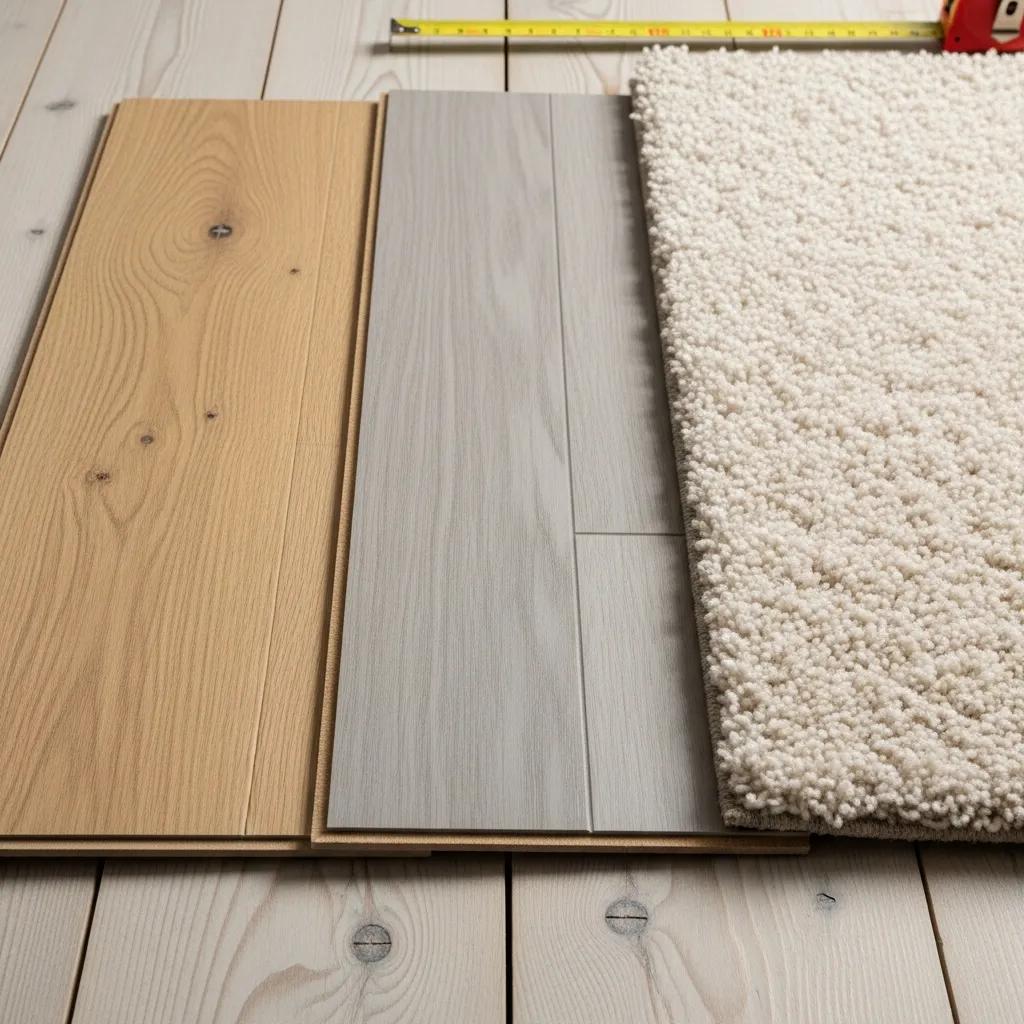
When estimating flooring costs, it’s crucial to know the average prices for different materials. The cost per square meter can vary significantly based on the type of flooring you choose. Below is a comparison of some common flooring materials and their average costs.
Material
Cost per sqm
Quality
Vinyl Flooring
from $20/m²
Budget-friendly
Hybrid Flooring (6.5mm)
from $35/m²
Mid-range
Premium Laminate
from $25/m²
High-quality
Carpet (Three-Room Package)
Around $1,500
Variable
This table illustrates the cost differences among various flooring options, helping you make an informed choice based on your budget and quality preferences.
How Do Hardwood, Vinyl, Laminate, and Carpet Compare in Price?
When comparing flooring types, it’s essential to consider both the initial cost and the long-term value. Vinyl flooring is often the most affordable option, starting at around $20 per square meter, making it ideal for budget-conscious projects. In contrast, premium laminate and hybrid flooring offer better durability and aesthetics, with prices starting at approximately $25 and $35 per square meter, respectively. Carpet can vary widely in price, especially when considering installation packages, such as a three-room carpet package priced around $1,500.
What Factors Affect Flooring Materials Cost in Sydney and Surrounding Regions?
Several factors influence flooring material costs in Sydney and its surrounding regions. Market demand plays a significant role; for instance, during peak renovation seasons, prices may rise due to increased demand. Additionally, the quality of materials and innovations in flooring technology can affect pricing. Sustainable options, while often more expensive upfront, may offer long-term savings through durability and lower maintenance costs. Understanding these factors can help you navigate the pricing landscape effectively.
Considering the long-term value of flooring materials is crucial, as initial costs don’t always reflect the true expense over time.
Flooring Life-Cycle Costing: Beyond Initial Cost
The tight schedule of developing, designing, and managing educational facilities limits the time and resources needed to correctly assess the full cost of building materials. As a result, the selection of interior finishing materials is commonly driven solely by initial cost. This study evaluates interior floor materia
Flooring materials–life‐cycle costing for educational facilities, 2001
How to Calculate Flooring Installation Costs and Regional Variations?
Calculating installation costs is just as important as understanding material prices. Installation expenses can vary based on the complexity of the project and regional labor rates.
What Installation Services Are Included and How Do They Impact Total Cost?
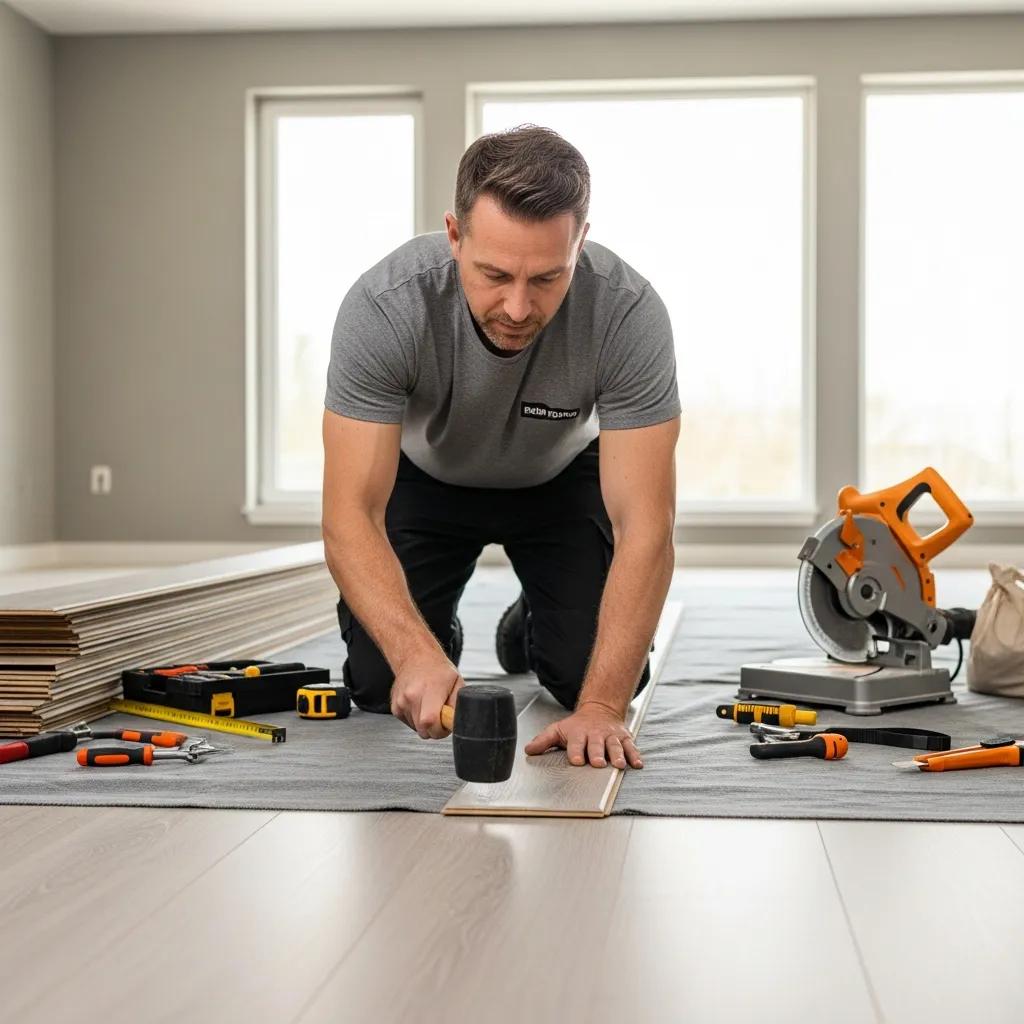
When hiring a flooring contractor, it’s essential to clarify what installation services are included in the quoted price. Common services may include subfloor preparation, removal of old flooring, and installation of new materials. Each of these services can add to the overall cost, so understanding what is included can help you avoid unexpected expenses.
How Do Installation Prices Differ Across NSW, ACT, and QLD?
Installation prices can vary significantly across different regions, such as NSW, ACT, and QLD. Factors influencing these variations include local labor costs, the availability of skilled installers, and regional demand for flooring services. For example, urban areas may have higher installation costs due to increased demand and living expenses, while rural areas might offer more competitive pricing.
How to Use a Flooring Price Calculator for Accurate Cost Estimation?
Using a flooring price calculator can simplify the process of estimating your flooring project costs. These tools allow you to input specific details about your project to receive a tailored estimate.
What Inputs Are Needed for the Flooring Cost Estimator Tool?
To use a flooring cost estimator effectively, you will need to provide several key inputs, including the total area to be covered, the type of flooring material you plan to use, and any additional services required, such as installation or removal of old flooring. Accurate measurements and clear specifications will yield the most reliable estimates.
How to Interpret and Apply Flooring Cost Calculator Results?
Once you have your estimate from the flooring cost calculator, it’s essential to interpret the results correctly. Look for a breakdown of costs, including materials, installation, and any additional fees. This breakdown will help you understand where your budget is allocated and identify areas where you might save money. Additionally, consider contacting local suppliers or contractors for precise estimates based on your specific project needs.
What Are Practical Tips for Budgeting Your Flooring Project?
Budgeting for a flooring project involves more than just calculating material and installation costs. It’s essential to plan for potential hidden costs that can arise during the project.
Beyond initial purchase and installation, ongoing operational and maintenance expenses significantly contribute to the total cost of flooring over its lifespan.
Flooring Maintenance Costs: O&M Expenses
When comparing O&M costs for soft flooring, the expense of maintaining broadloom is comparable in year 1, but is increases two-fold that of MCT in year 10 due to broadloom’s 10 year
A life-cycle cost analysis for flooring materials for healthcare facilities, DD Harris, 2015
How to Avoid Hidden Costs in Flooring and Installation?
To avoid unexpected expenses, consider utilizing free measure and quote services offered by many flooring companies. This can help you get a clearer picture of the total costs involved. Additionally, clarify installation costs upfront and ensure you understand the terms of any warranties or guarantees associated with your flooring choice.
What Are Common Cost Pitfalls and How to Plan for Them?
Common pitfalls in flooring projects include improper subfloor preparation, neglecting moisture control, and choosing inappropriate materials for your specific environment. To mitigate these risks, consult with flooring professionals who can provide guidance tailored to your project. Planning ahead and being aware of these potential issues can save you time and money in the long run.